

 English
  русский
-
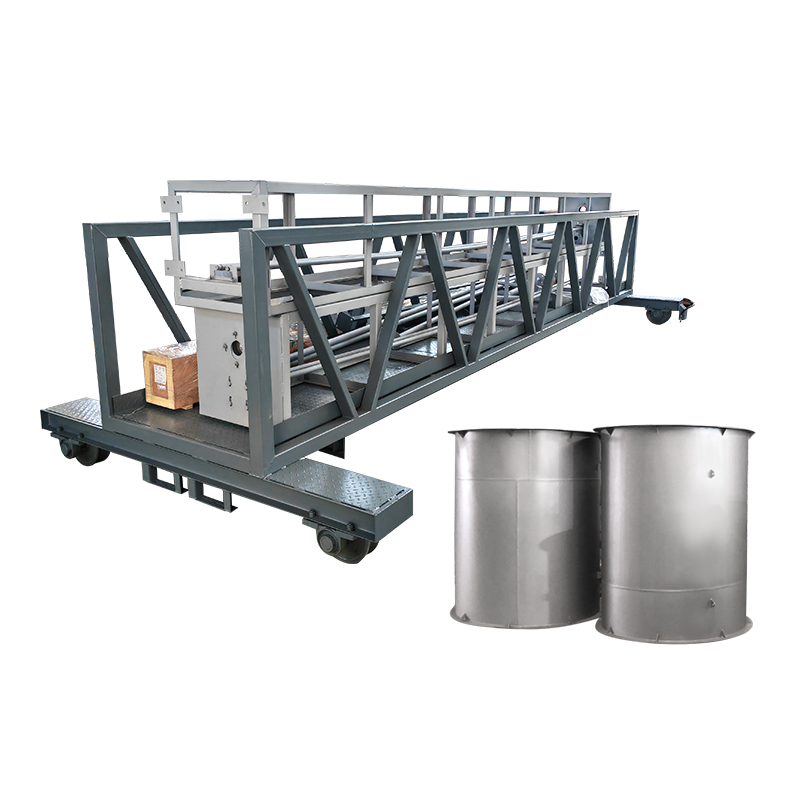
Sludge Scraper Treatment Equipment
-
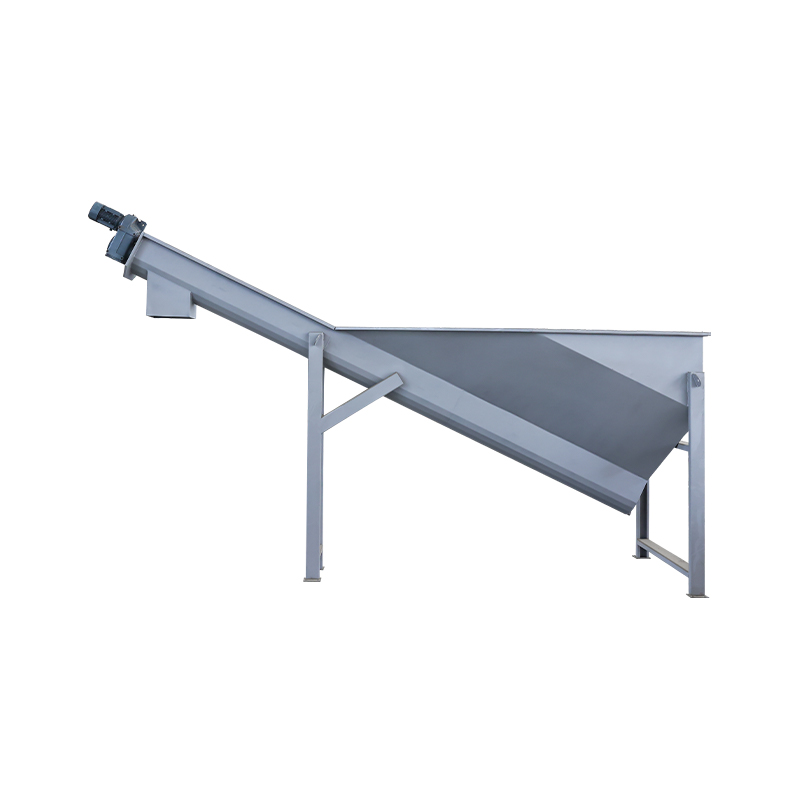
Sand-water Separator
-
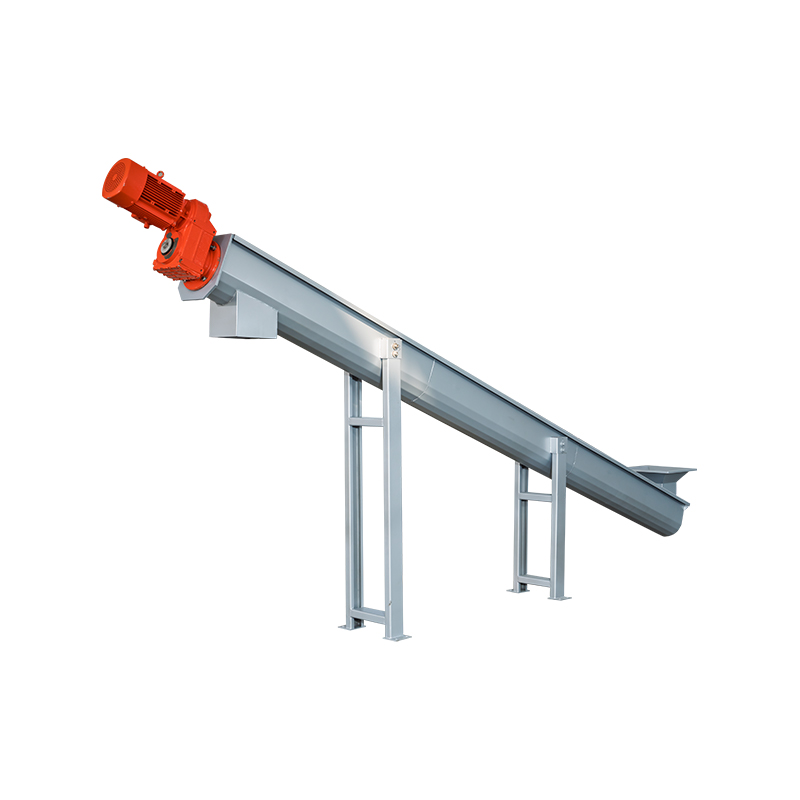
Shaftless Screw Conveyor
-
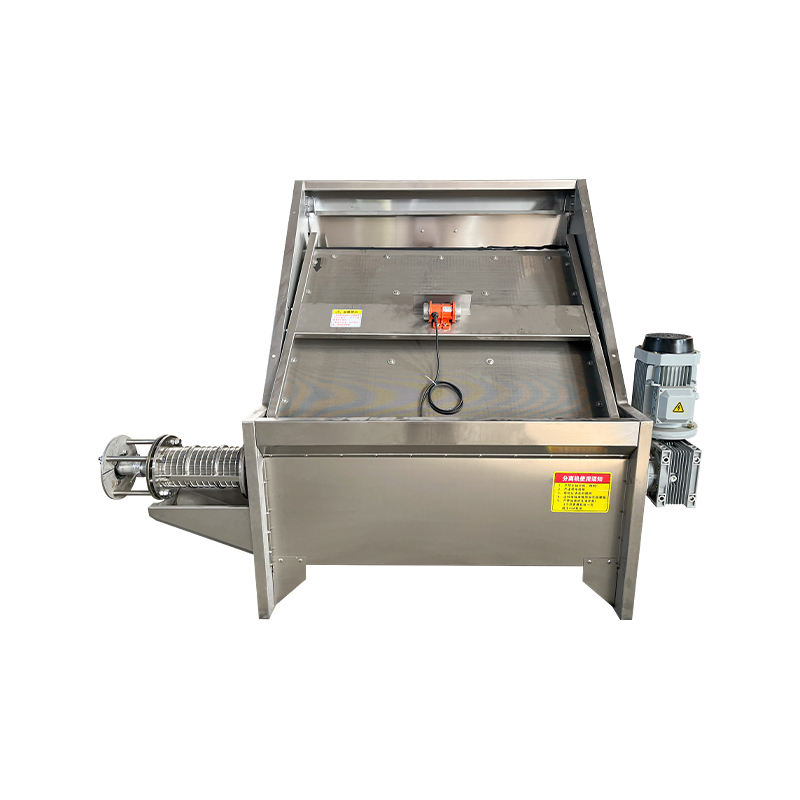
Inclined Screen Solid-Liquid Separator
-
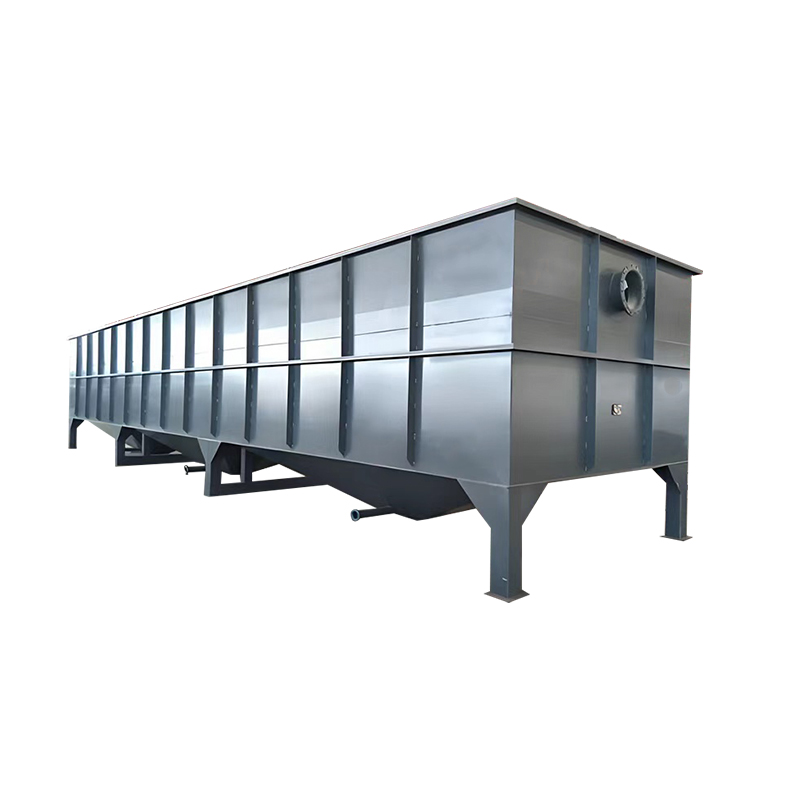
Inclined Tube Sedimentation Tank
-
Microporous Aerator
-
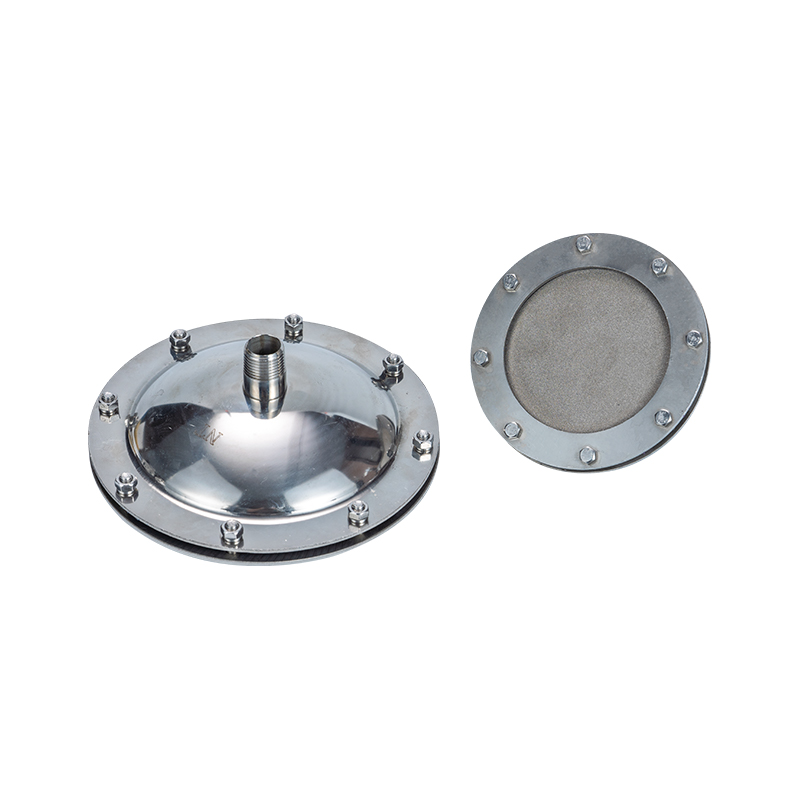
Titanium Aerator
-
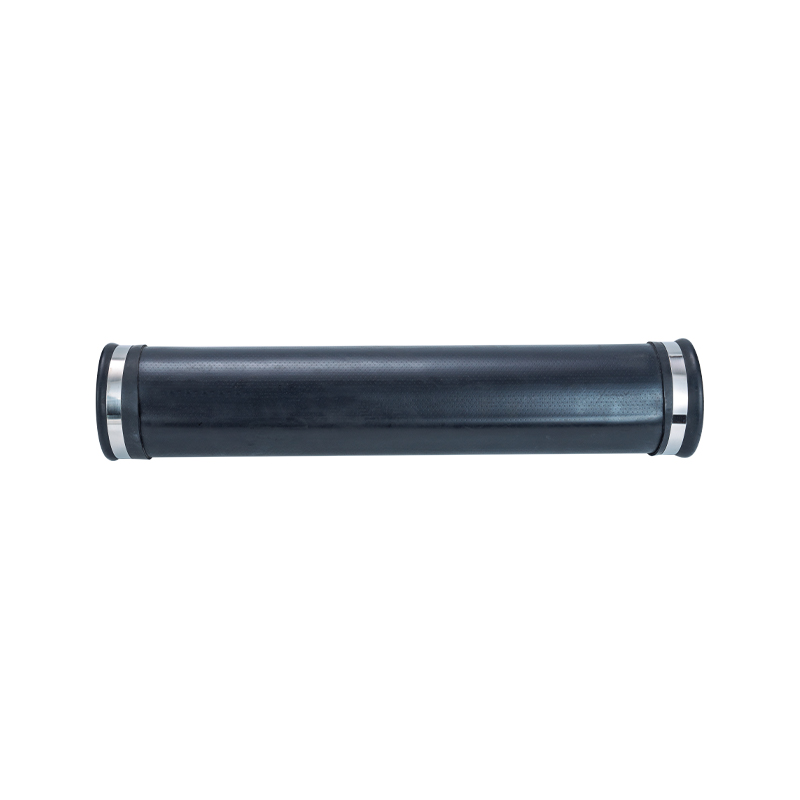
Tube Aerator
-
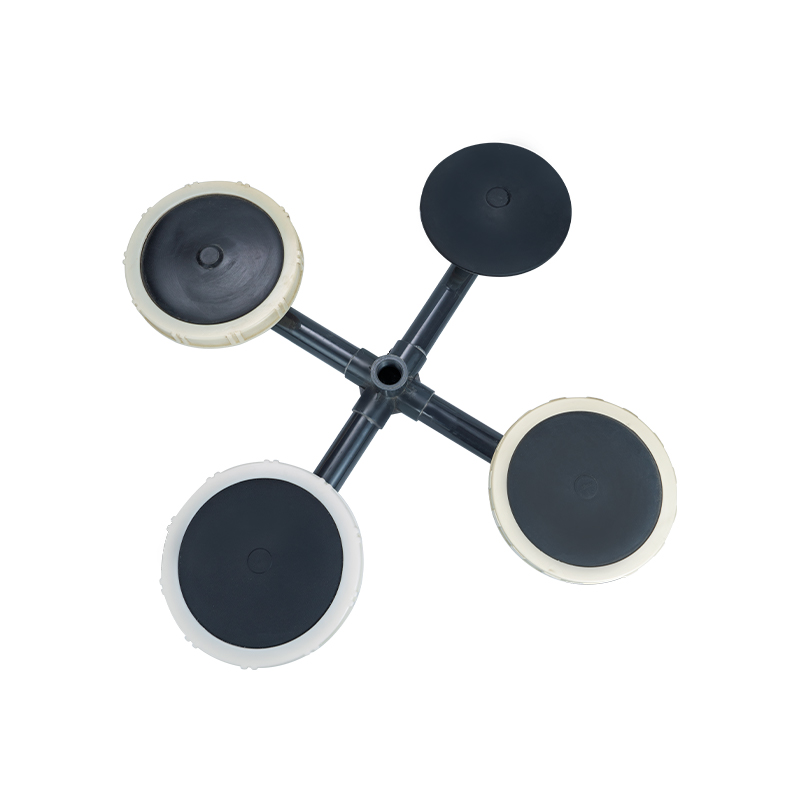
Symphony Aerator
-
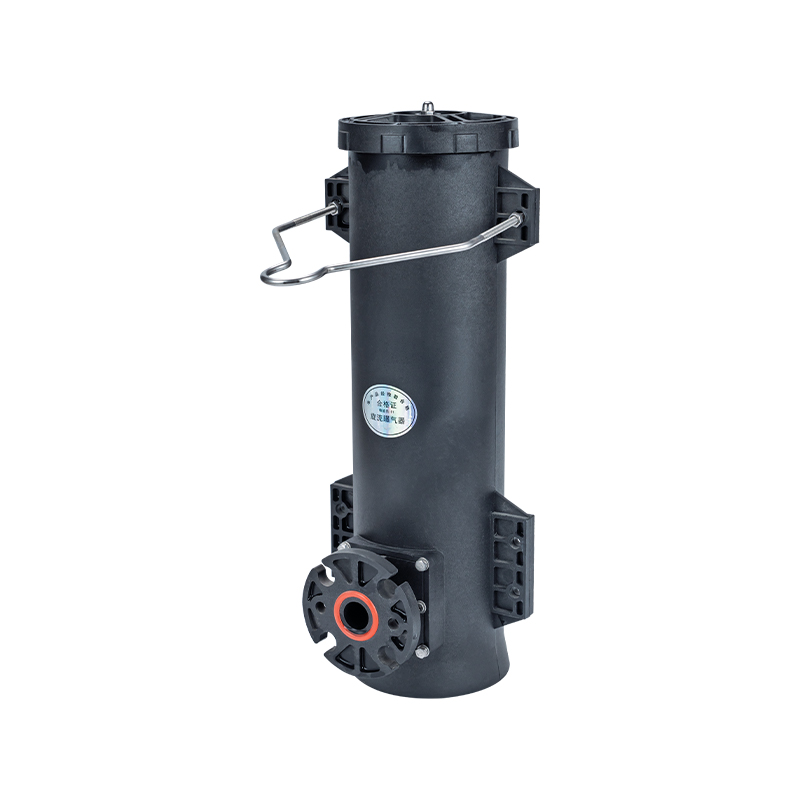
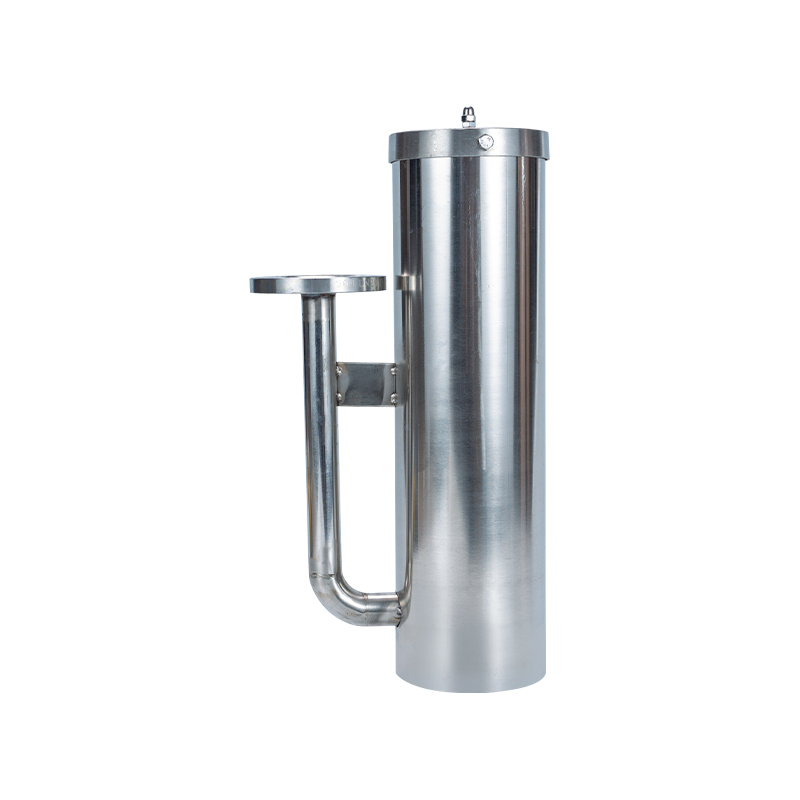
Steel Cyclone Aerator
-
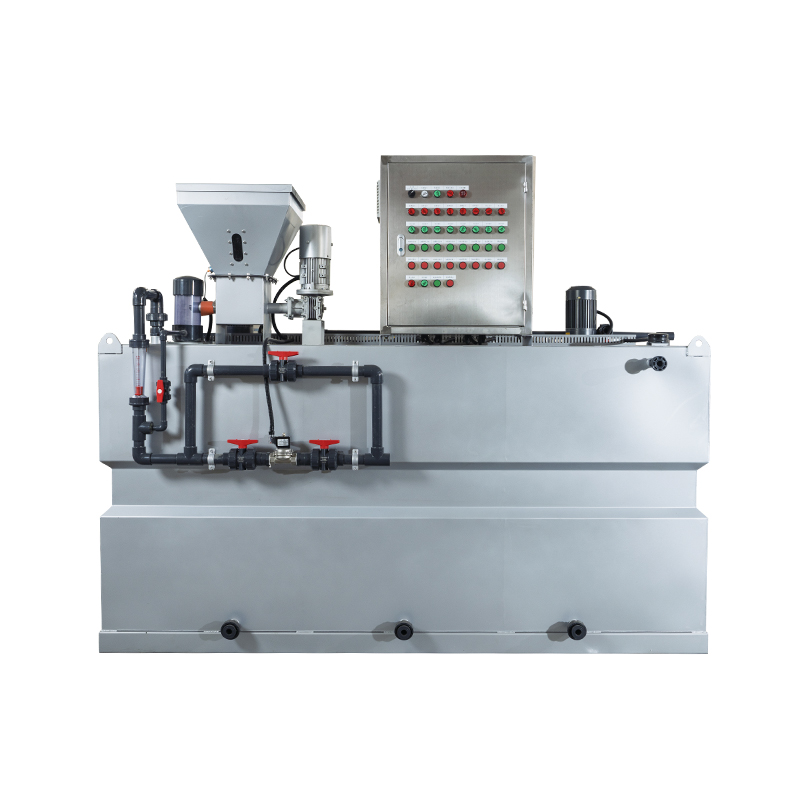
Fully Automatic Dosing Device
-
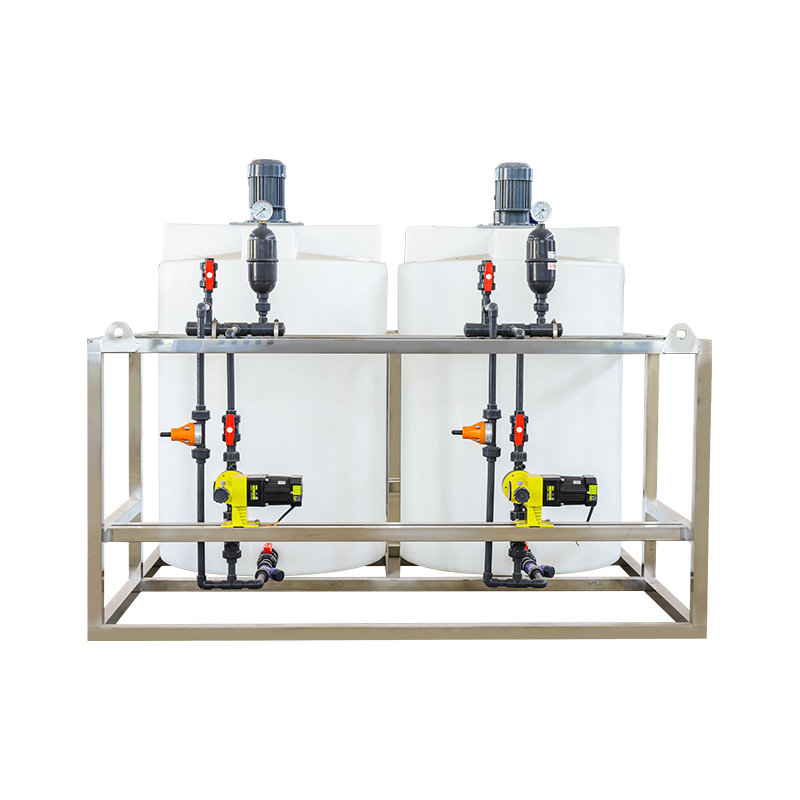
Semi-Automatic Dosing Device
-
0+Over 10 Years of Wastewater Treatment Solutions
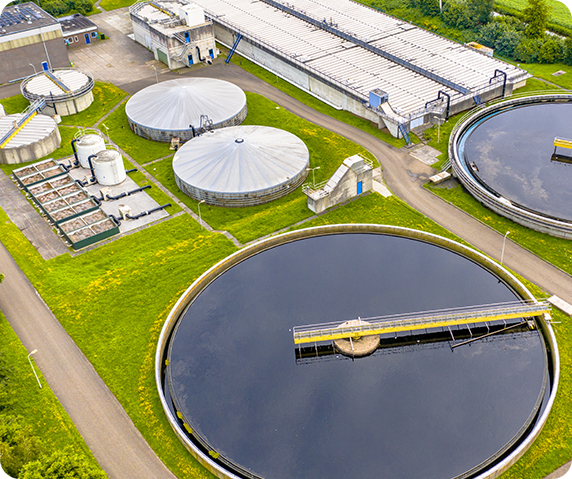


With a strong technical foundation and an ISO-certified quality system, Hengye helps clients across various industries enhance treatment efficiency, reduce operating costs, and meet global environmental standards.
-
Established in 2015

-
Certified Under ISO 9001 Quality Management System
-
Engaged in in-depth Collaborations with Multiple Academic Institutions
-
Professional Environmental Equipment Manufacturing Team
-
 2026-09-16
 -
2026-09-09
-
2026-09-03
-
2026-09-03
-
2026-09-02
Industry Knowledge
How Screw Press Technology Achieves Efficient Sludge Dewatering
Unlike traditional belt presses or centrifuges, screw press dewatering machines operate on a continuous helical compression principle. As the screw shaft rotates, sludge is gradually transported through a progressively narrowing filtration chamber formed by overlapping filter rings. The combination of gravity drainage and mechanical pressure forces water out through the micro-gaps between the rings, while the dewatered sludge cake is discharged from the opposite end.
This self-cleaning mechanism — achieved through the relative movement between fixed and floating rings — prevents clogging even with high-viscosity or fibrous sludge. As a result, screw press dewatering machines can handle feed sludge concentrations as low as 0.01% without pre-thickening, significantly reducing upstream process requirements and operating costs.
Key performance benchmarks to evaluate include cake moisture content (typically 75–85% after dewatering), solid capture rate (above 90% for most municipal and industrial sludges), and throughput per unit of installed power. These metrics vary considerably depending on sludge type, polymer conditioning, and machine sizing.
Matching the Right Screw Press to Your Wastewater Profile
Industrial wastewater treatment demands are far from uniform. Sludge from leather tanneries contains high concentrations of chromium and protein compounds, while printing and dyeing wastewater carries residual colorants and surfactants that affect flocculation behavior. Chemical plant effluent may contain heavy metals or emulsified oils that alter sludge compressibility. Selecting a screw press without accounting for these characteristics leads to suboptimal dewatering performance and accelerated wear.
At Yixing Hengye Environmental Protection Technology Co., Ltd., equipment selection begins with a characterization of the client's sludge: volatile solids content, particle size distribution, and filterability index. This data directly informs decisions on screw pitch design, ring gap tolerance, and polymer dosing rate — all of which have measurable impacts on final cake dryness and filtrate clarity.
For operations processing mixed industrial streams, multi-stage configurations or tandem screw press units may be required. In such cases, the hydraulic loading between stages must be carefully balanced to prevent solids breakthrough or foam generation in the filtrate return.
| Industry | Sludge Characteristic | Key Configuration Consideration |
|---|---|---|
| Leather / Tannery | High chromium, fibrous | Wider ring gap; corrosion-resistant alloy rings |
| Printing & Dyeing | High COD, colored | Enhanced polymer conditioning; higher back-pressure setting |
| Paper Mill | Low density, cellulose-rich | Longer screw pitch for extended drainage zone |
| Chemical Plant | Heavy metals, emulsified oils | Pre-treatment coagulation; sealed enclosure for VOC control |
Operational Reliability and Maintenance Strategies for Screw Press Filters
The long-term effectiveness of a screw press filter depends as much on maintenance discipline as on initial equipment quality. In continuous industrial operation, the most common failure modes are ring clogging from undigested solids, bearing wear from misaligned shaft loading, and polymer over-dosing that produces sticky cake resistant to discharge.
Preventive maintenance programs should include:
- Weekly inspection of ring gap uniformity and self-cleaning ring travel distance
- Monthly lubrication of drive shaft bearings and back-pressure adjustment checks
- Quarterly review of filtrate turbidity trends as an early indicator of ring seal degradation
- Annual replacement of high-wear components such as the screw shaft sleeve and floating rings in abrasive sludge applications
Remote monitoring integration is increasingly adopted for multi-unit installations. Real-time data on torque load, screw speed, and filtrate flow rate enables condition-based maintenance scheduling, reducing unplanned downtime by an estimated 30–40% compared to fixed-interval approaches.
Regulatory Compliance and Sludge Disposal Considerations
Dewatered sludge disposal pathways — landfill, incineration, agricultural land application, or composting — each carry specific regulatory requirements for moisture content, heavy metal concentrations, and pathogen levels. In China, the discharge standards for industrial sludge are governed by the Solid Waste Pollution Prevention Law and sector-specific emission standards, which have been progressively tightened since 2020.
Achieving a cake moisture content below 80% is often the threshold for cost-effective incineration without auxiliary fuel, while agricultural reuse pathways require additional heavy metal testing and certification under HJ 984-2018. Understanding the intended disposal route at the design stage is essential — it directly influences the target cake dryness specification and, consequently, the screw press model selection and polymer system sizing.
Hengye Technology's design approach incorporates end-disposal requirements from the outset, ensuring that the dewatering system not only meets effluent discharge limits but also produces a sludge cake compatible with the client's approved disposal or resource recovery pathway — a critical factor often overlooked in equipment-only procurement decisions.
- Product Categories
- Sludge Dewatering Machine
- Roller Filter
- Dissolved Air Flotation Machine(DAF)
- Rotary Mechanical Bar
- Dosing Device
- Aerator
- Biological Packing Material
- Other Wastewater Treatment Equipment
- Contact Us
-
-
[email protected]

-
+86-13812201185

-
+86-13812201185

-
No. 20, Saite Road, Gaoyao Village, Gaocheng Town, Yixing City, Wuxi City, Jiangsu Province, China

-



