English
  русский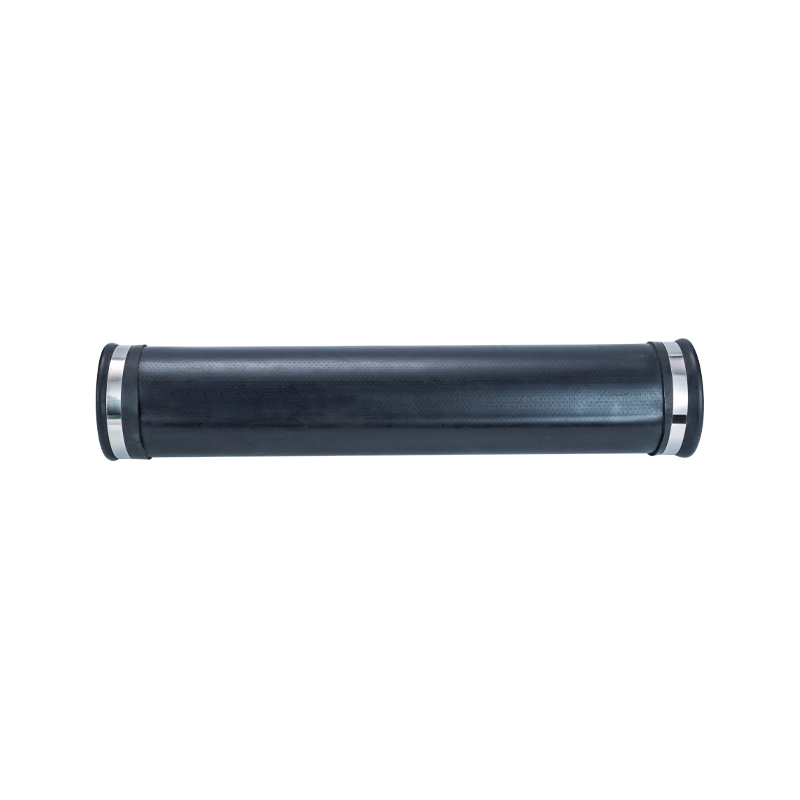
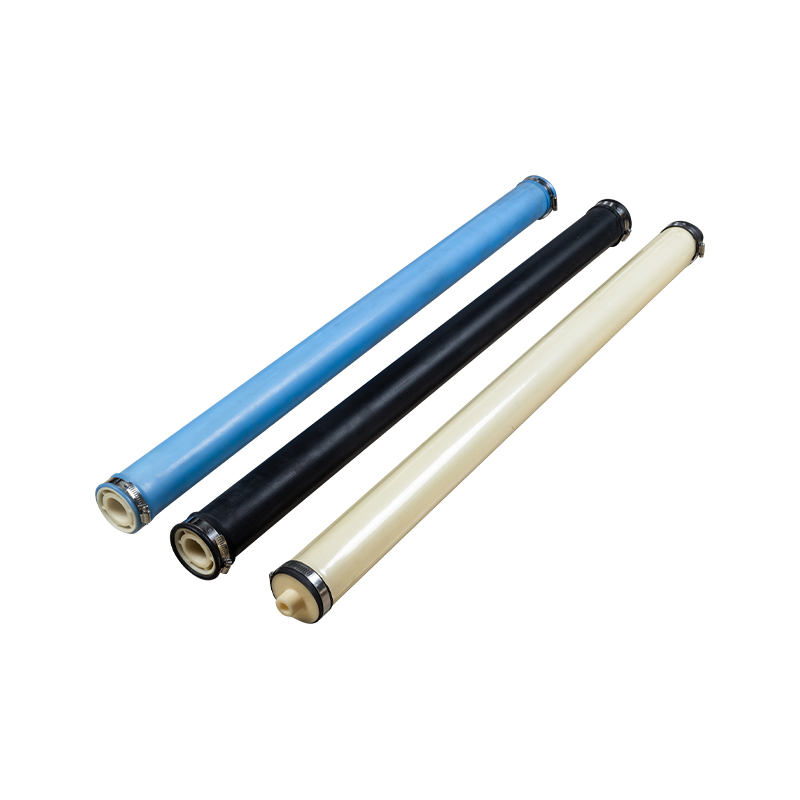
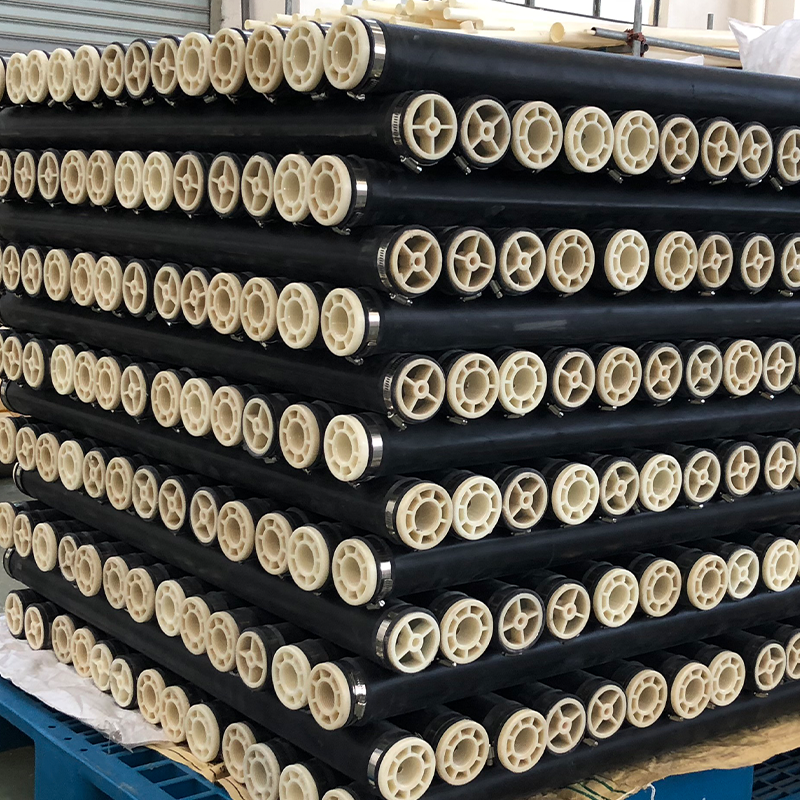
Tube Aerator
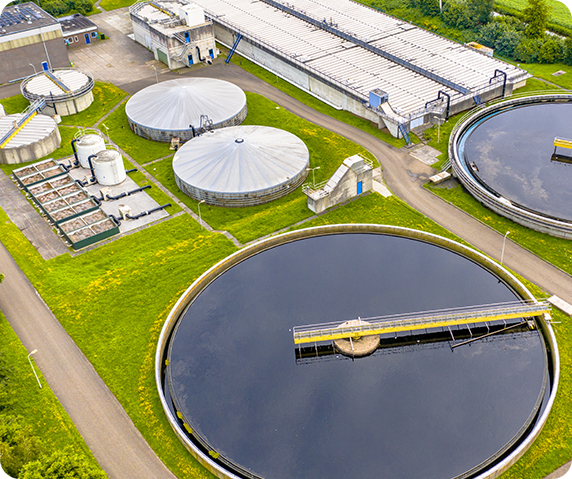
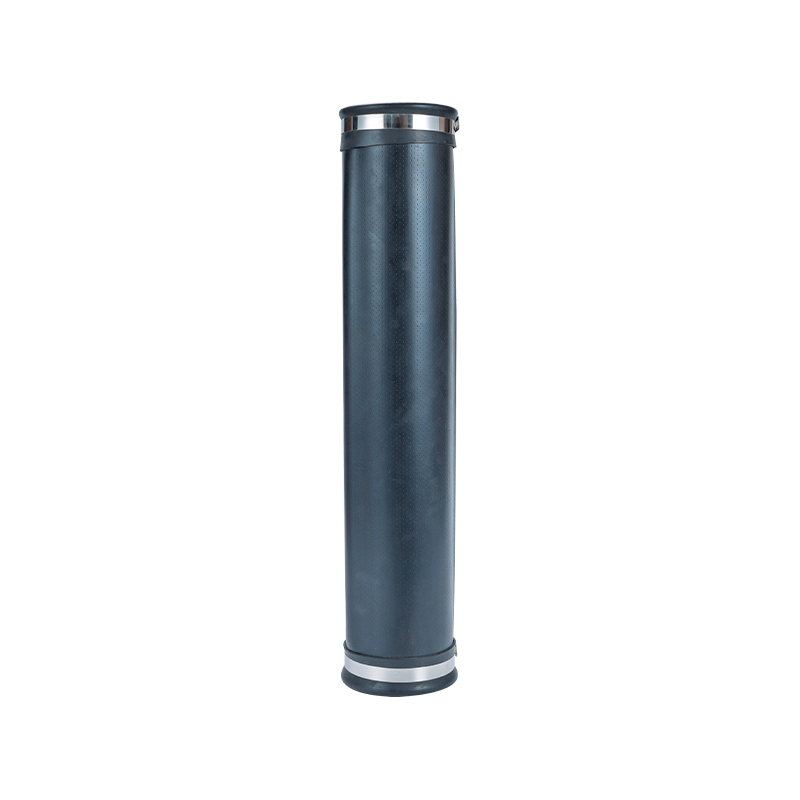
Tube Aerator is a microporous aeration device widely used in biological treatment systems for municipal sewage and organic industrial wastewater. Its core function is to efficiently oxygenate aeration tanks, meeting the needs of aerobic microorganisms for pollutant degradation while achieving water mixing and agitation. It serves as a key component in processes such as the activated sludge method and oxidation ditch systems.
Structure and Specifications
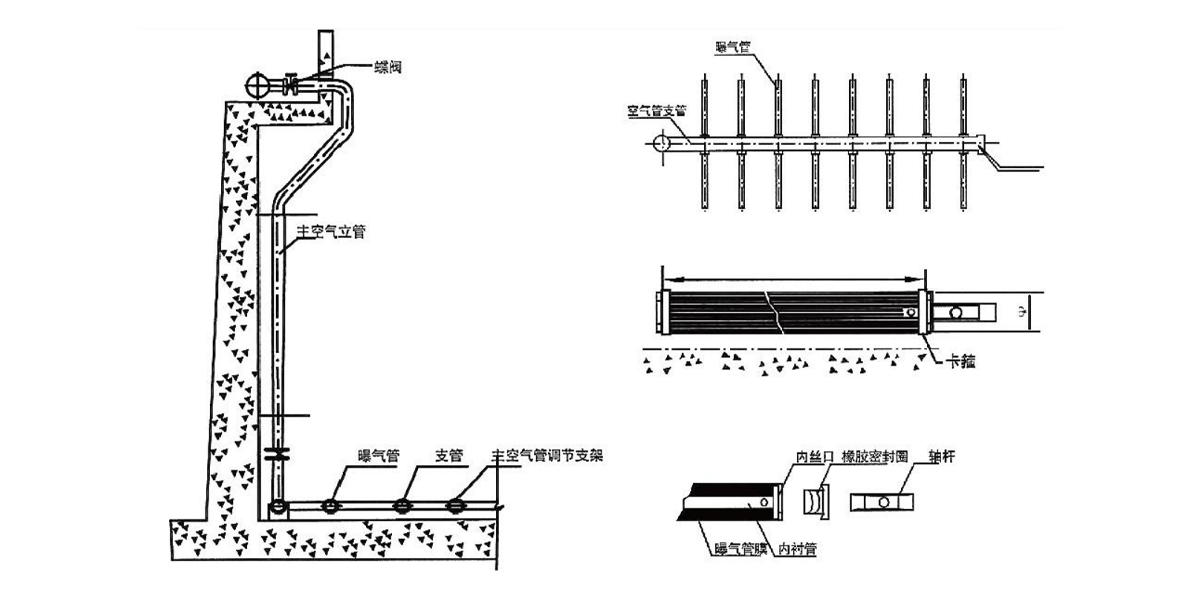
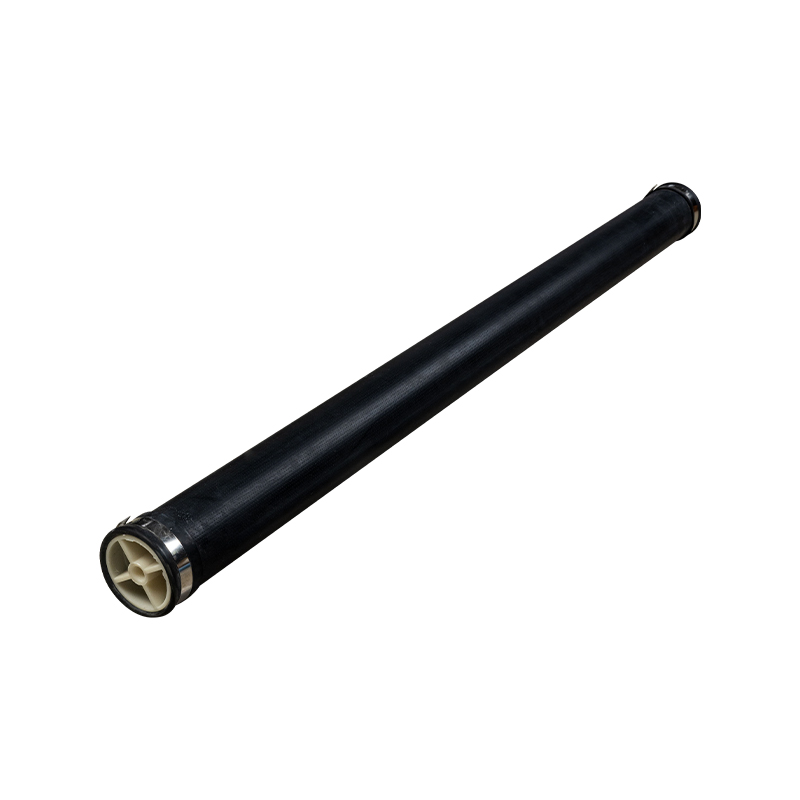
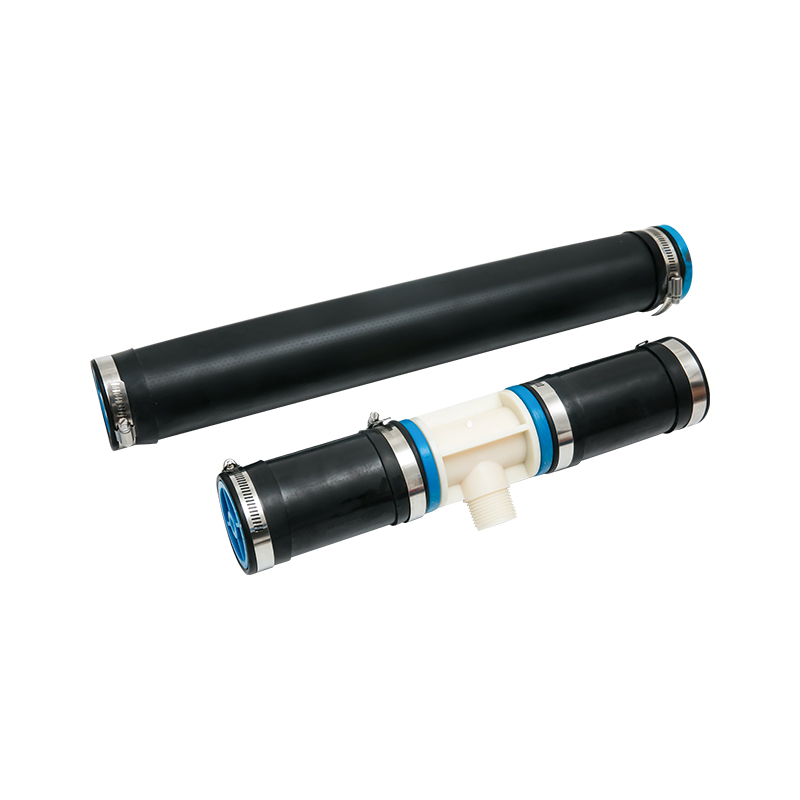
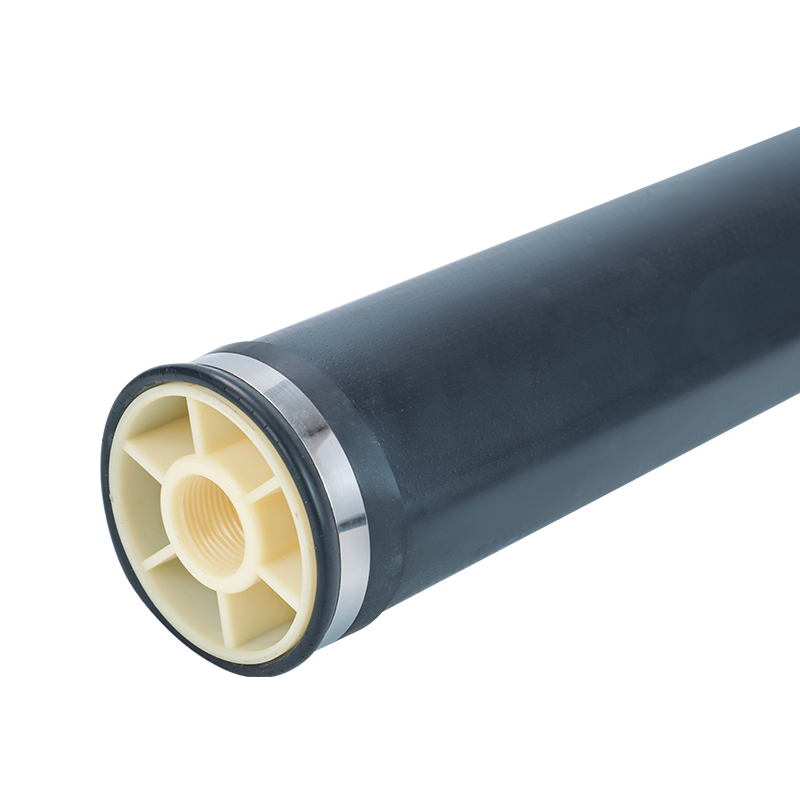
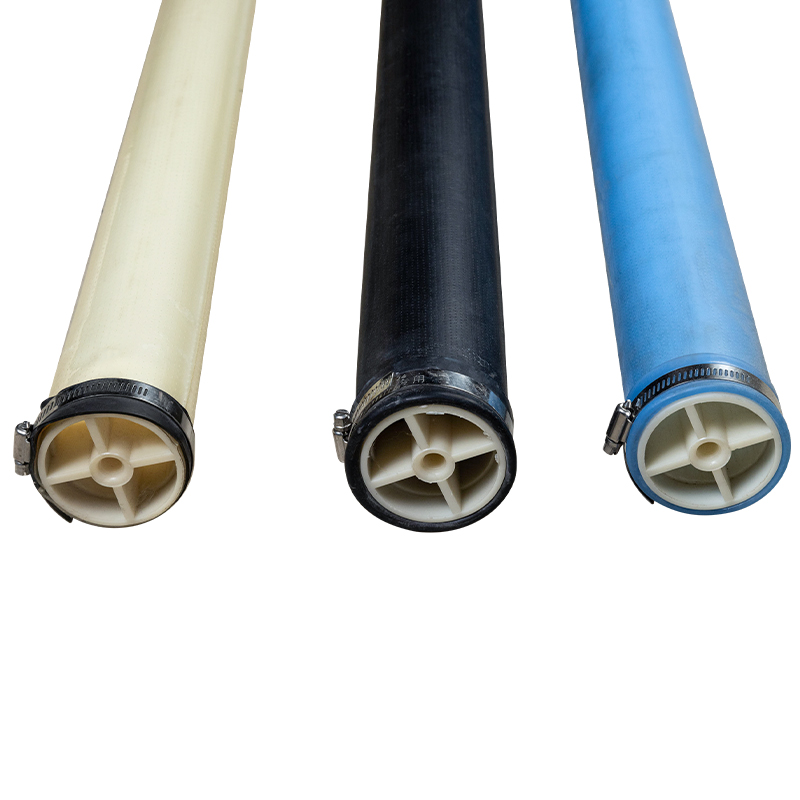
·Core Components: Consists of an aeration diaphragm, support tube, connecting fittings, and air distribution piping. Membranes commonly use EPDM rubber, silicone rubber, or TPU, offering acid/alkali resistance, aging resistance, and excellent elasticity. Support tubes are typically ABS, UPVC, or stainless steel, supporting the membrane and conveying air. Micro-pores on the membrane are mostly Y-shaped or straight self-closing pores that automatically retract and seal when air stops, preventing sludge backflow.
·Common specifications: Outer diameter is typically 65mm, with standard lengths of 500mm, 750mm, and 1000mm, though custom lengths are available for specific tank configurations. Bubble diameter generally ranges from 1–3mm, and operating pressure typically falls between 30–50kPa.