

 English
  русский
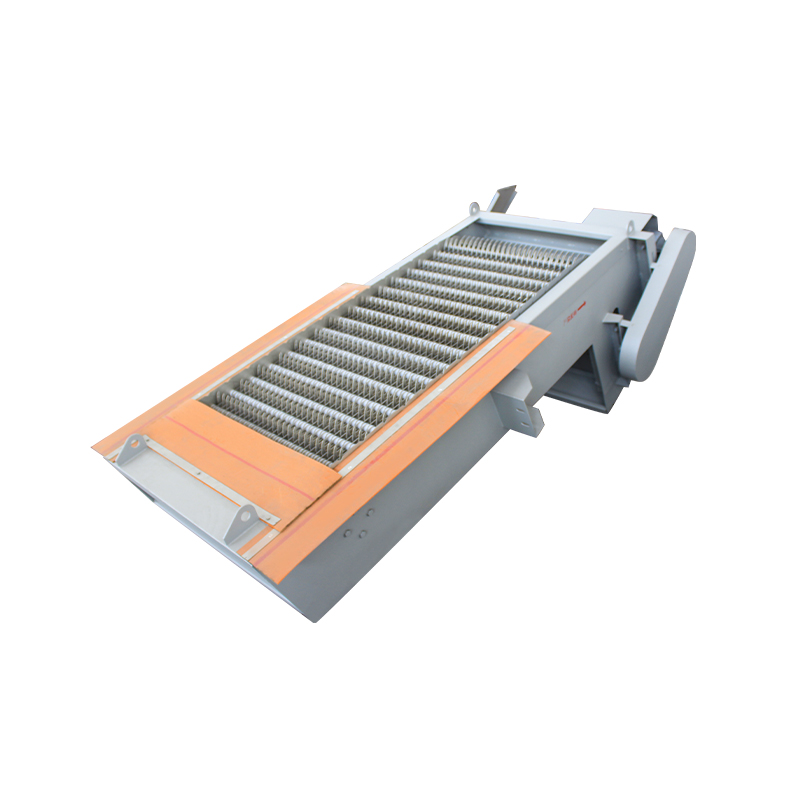
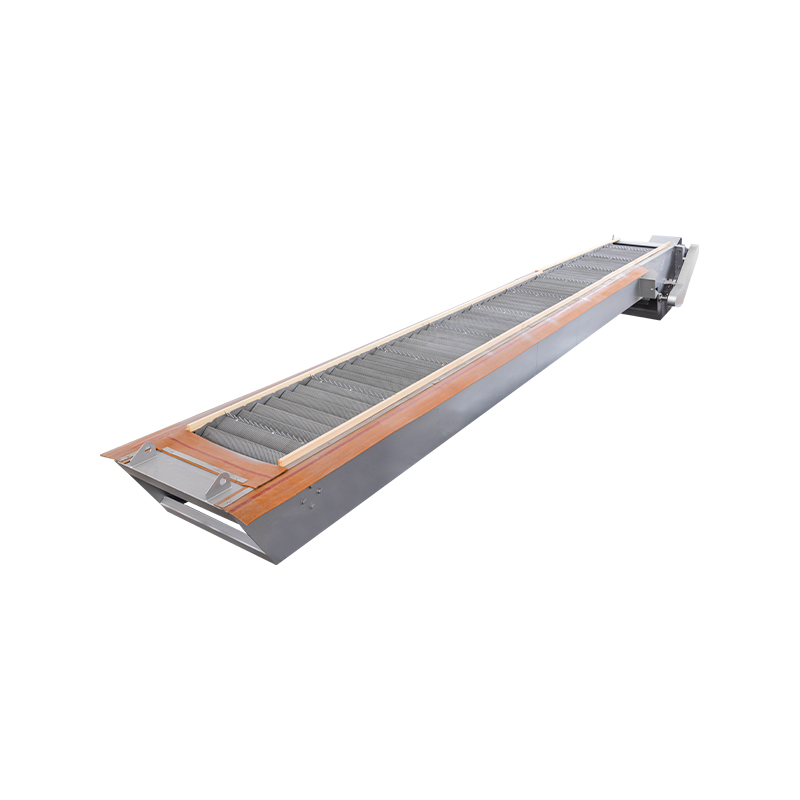
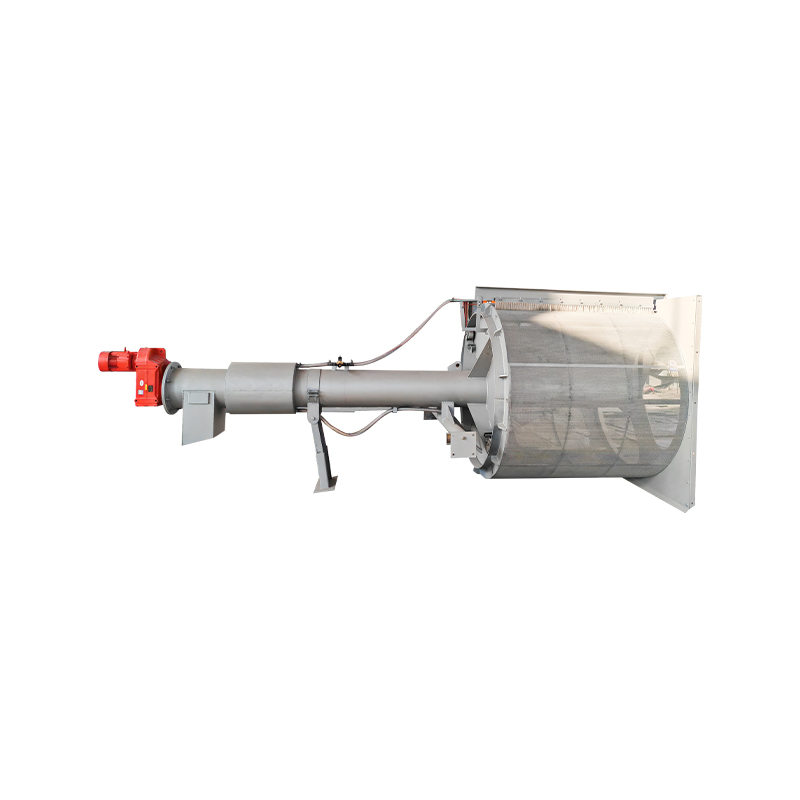
Rotary mechanical bar screens, also known as rotary bar screens, are advanced solid-liquid separation equipment for water treatment. They are mainly used at the inlets of urban sewage treatment plants, municipal stormwater and sewage pumping stations, waterworks, and power plant cooling water systems. This equipment is also widely used in water treatment projects in various industries such as textiles, printing and dyeing, food, aquaculture, papermaking, slaughtering, and leather making. It is an ideal solid-liquid separation device in the water treatment industry.
Structure and working principle
This equipment is rotary, consisting of specially shaped plow-shaped rake teeth or stepped screens, assembled with different gaps according to the water flow rate. It is installed at the inlet of a pumping station or water treatment system. When the drive unit moves the rake chain or screen from bottom to top, the impurities in the water are lifted up, while the liquid flows through the gaps. After the equipment rotates to the top, the rake chain changes its direction of operation and moves from top to bottom. The material falls off the rake teeth by its own weight. When the rake teeth rotate from the reverse side to the bottom, another cycle of continuous operation begins, thus continuously removing impurities from the water and achieving the purpose of solid-liquid separation.
Main features
1. The drive unit adopts a cycloidal pinwheel or helical gear reducer motor for direct drive, which features low noise, compact structure, and smooth operation.
2. The frame is an integral frame structure, which is highly rigid, easy to install, and requires less daily maintenance.
3. The equipment is easy to operate and can be controlled locally or remotely.
4. To prevent accidental overload, it is equipped with dual protection of mechanical shear pins and overcurrent, ensuring safe and reliable operation of the equipment.
-
0+Over 10 Years of Wastewater Treatment Solutions
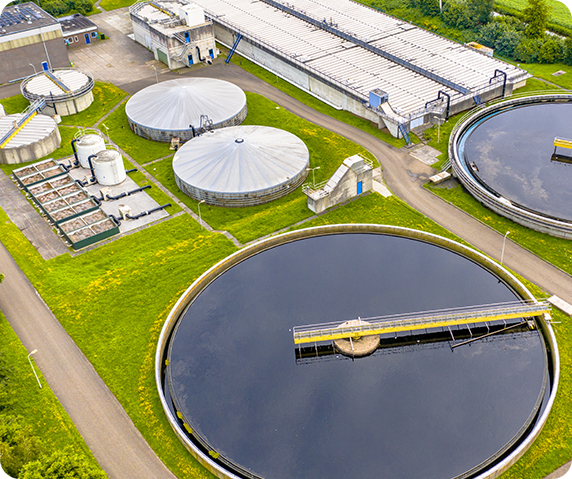


With a strong technical foundation and an ISO-certified quality system, Hengye helps clients across various industries enhance treatment efficiency, reduce operating costs, and meet global environmental standards.
-
Established in 2015

-
Certified Under ISO 9001 Quality Management System
-
Engaged in in-depth Collaborations with Multiple Academic Institutions
-
Professional Environmental Equipment Manufacturing Team
-
 2026-10-21
 -
2026-10-14
-
2026-10-07
-
2026-09-30
-
2026-09-23
Industry Knowledge
The Role of Mechanical Bar Screening in Industrial Wastewater Pretreatment
Coarse solids removal is the first and most consequential step in any wastewater treatment train. Rags, fibrous materials, plastic fragments, packaging remnants, and other bulky debris — if allowed to pass into downstream equipment — cause pump impeller clogging, damage aeration diffusers, foul heat exchangers, and disrupt biological treatment processes by introducing non-biodegradable material into activated sludge systems. A rotary mechanical bar screen addresses this risk at the point of entry, continuously intercepting coarse solids before they can propagate through the treatment system.
Unlike manually cleaned static screens — which require periodic shutdown for rake cleaning and represent a significant labor cost in continuous operations — rotary mechanical bar screens operate autonomously. The rotating rake or brush mechanism cleans the screen bars on a timed or differential-pressure-triggered cycle, removing accumulated screenings and discharging them to a collection hopper or integrated compactor without interrupting flow. This continuous operation is essential for industrial facilities running three shifts where manual intervention during peak production hours is neither practical nor safe.
In the context of integrated wastewater treatment systems, bar screening performance directly influences the reliability and maintenance burden of every downstream unit. Facilities that underinvest in primary screening consistently experience higher pump maintenance costs, more frequent DAF nozzle cleaning requirements, and accelerated wear on screw press dewatering equipment — costs that substantially exceed the capital difference between manual and mechanical screening options.
Bar Spacing Selection and Its Consequences for Downstream Protection
Bar spacing — the clear opening between adjacent screen bars — is the defining specification of any bar screen machine, and its selection requires careful consideration of both the particle size distribution in the incoming wastewater and the sensitivity of downstream equipment to solids carryover. Specifying bar spacing that is too wide provides inadequate protection; specifying spacing that is too narrow increases headloss, accelerates blinding, and raises energy consumption without proportional treatment benefit.
| Bar Spacing | Classification | Typical Application | Primary Protection Target |
|---|---|---|---|
| 20–50 mm | Coarse screen | Inlet channel, pump station | Pumps, pipework |
| 6–20 mm | Medium screen | Primary treatment inlet | DAF nozzles, clarifier scrapers |
| 1–6 mm | Fine screen | Before biological treatment | Aeration diffusers, membrane bioreactors |
Industries generating wastewater with high fibrous content — garment factories, paper mills, and leather tanneries — typically require medium to fine bar spacing even at the primary screening stage, as long textile fibers and hide fragments can pass through coarse screens and wrap around pump shafts downstream. Chemical plants and plastic processing facilities, by contrast, may only require coarse screening if their effluent is predominantly liquid-phase with limited solid debris.
At Yixing Hengye Environmental Protection Technology Co., Ltd., bar spacing recommendations are developed based on characterization of the client's waste stream rather than defaulting to industry-generic specifications — a distinction that meaningfully affects both screening performance and the long-term maintenance burden on downstream equipment.
Screenings Handling: An Often Overlooked Element of Bar Screen System Design
The solids intercepted by a bar screen — collectively referred to as screenings — must be collected, conveyed, and disposed of in a manner that is hygienic, operationally practical, and compliant with solid waste regulations. This aspect of bar screen system design receives less attention than hydraulic performance during the specification stage, yet it has an outsized influence on day-to-day operational experience.
Screenings from industrial wastewater carry significant moisture — often 70–85% water by mass — and may contain malodorous organic compounds, grease, or regulated contaminants depending on the source industry. Without volume reduction at the point of discharge, wet screenings create handling difficulties, accelerate corrosion of collection containers, and generate leachate that requires separate management. Integrated screenings compactors — which compress and partially drain screenings directly at the screen discharge point — reduce volume by 40–60% and substantially improve hygiene conditions for operators.
Wash water systems, which spray collected screenings before or during compaction to reduce organic contamination, are standard in food processing and municipal applications but are frequently omitted in industrial installations to reduce capital cost. This trade-off should be evaluated against the disposal classification implications: in facilities subject to hazardous solid waste regulations, uncompacted and unwashed screenings containing heavy metals or persistent organic compounds may attract significantly higher disposal fees than compacted, washed material classified as general industrial solid waste.
Maintenance Practices That Determine Long-Term Screening Reliability
Rotary mechanical bar screens operate in one of the most aggressive environments in any wastewater treatment facility — continuously submerged or splash-exposed, handling abrasive and corrosive material, and cycling through thousands of cleaning rotations per day. Equipment longevity is therefore directly proportional to the rigor of the maintenance program applied from commissioning onward.
Maintenance priorities that most significantly affect service life include:
- Drive unit inspection — gear reducers and drive chains should be inspected monthly for lubrication condition and chain elongation; a stretched drive chain is the most common cause of premature rake misalignment and bar damage
- Rake tooth condition — worn or missing rake teeth reduce cleaning effectiveness and allow solids buildup between bars, increasing differential head and motor load; replacement intervals depend on screenings abrasiveness but typically range from 12–36 months
- Bar straightness and spacing uniformity — impact from large debris objects can deform individual bars, narrowing adjacent gaps and creating localized blinding points; annual dimensional inspection identifies deformation before it causes structural damage to the rake assembly
- Control system calibration — differential pressure sensors that trigger cleaning cycles should be calibrated against reference manometers at quarterly intervals; sensor drift leads to either over-frequent cycling that accelerates mechanical wear or under-frequent cycling that allows blinding to develop
Facilities processing wastewater with high concentrations of aggressive chemicals — such as chromium from leather tanning or strong acids from metal surface treatment — should specify duplex stainless steel or polymer-coated bar and rake materials from the outset. Retrofitting corrosion-resistant components after initial installation consistently costs more than the incremental material upgrade at the procurement stage. Hengye Technology incorporates material specification reviews into its equipment design process, ensuring that bar screen durability is matched to the chemical environment in which it will operate throughout its intended service life.
- Product Categories
- Sludge Dewatering Machine
- Roller Filter
- Dissolved Air Flotation Machine(DAF)
- Rotary Mechanical Bar
- Dosing Device
- Aerator
- Biological Packing Material
- Other Wastewater Treatment Equipment
- Contact Us
-
-
[email protected]

-
+86-13812201185

-
+86-13812201185

-
No. 20, Saite Road, Gaoyao Village, Gaocheng Town, Yixing City, Wuxi City, Jiangsu Province, China

-



