English
  русский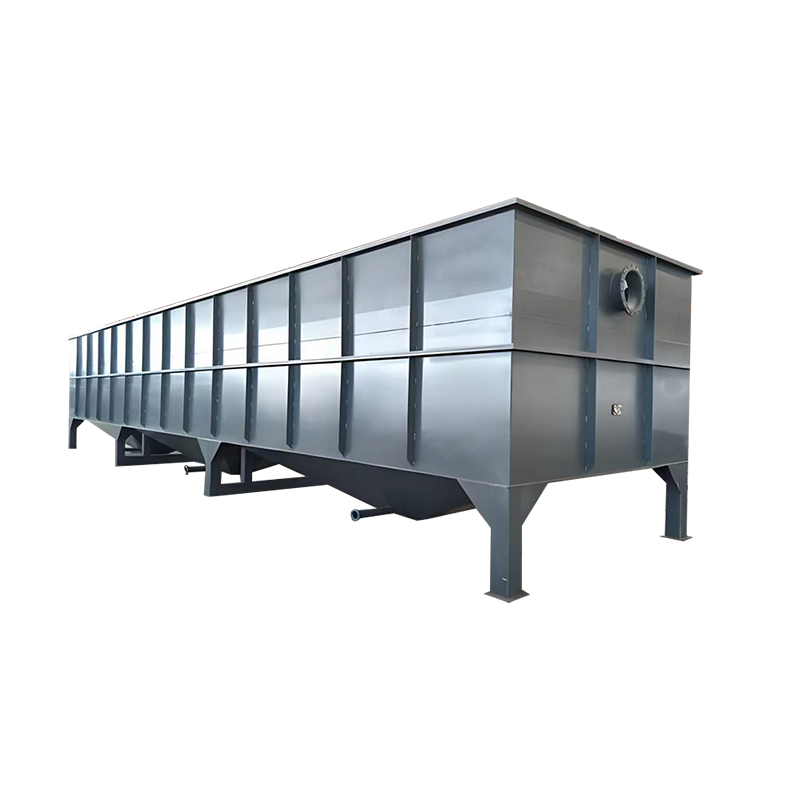
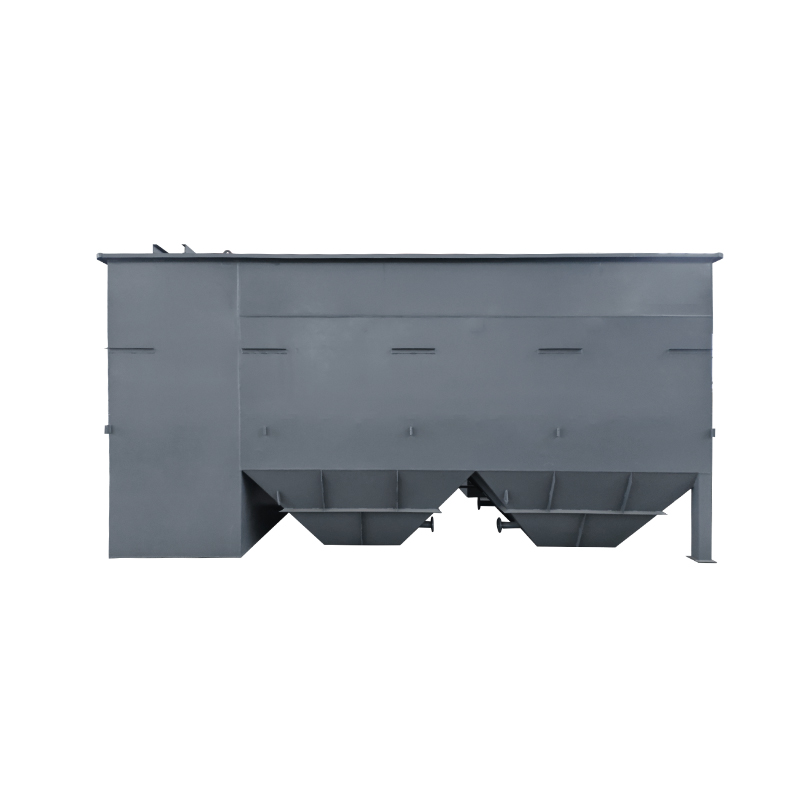
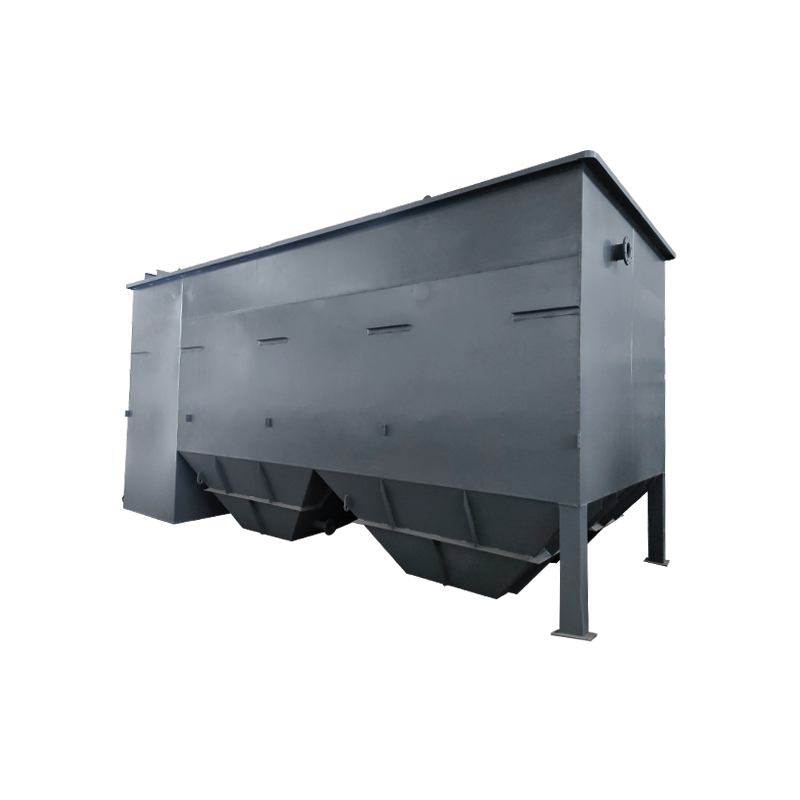
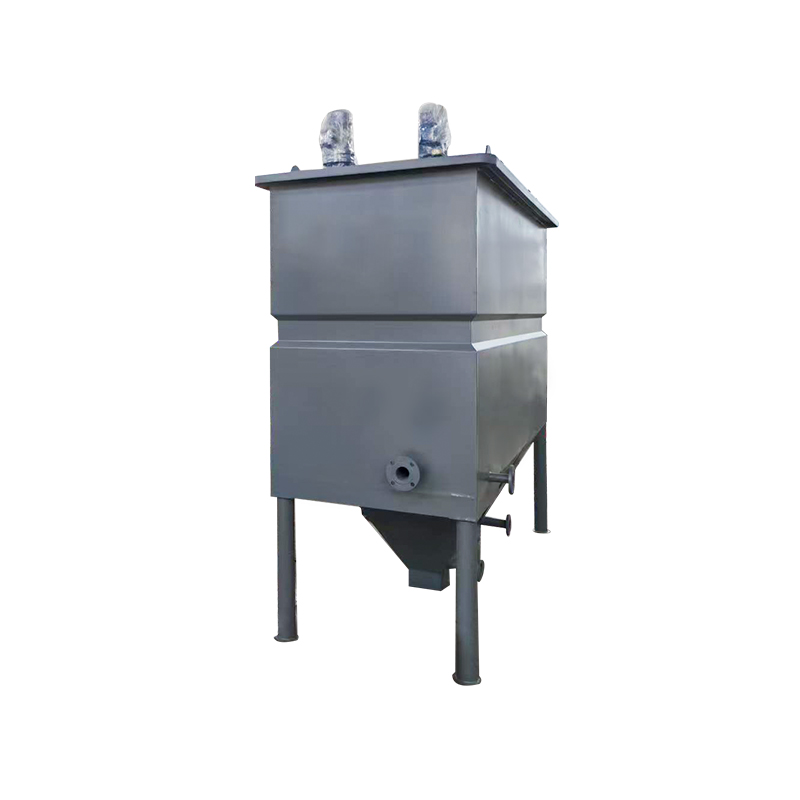
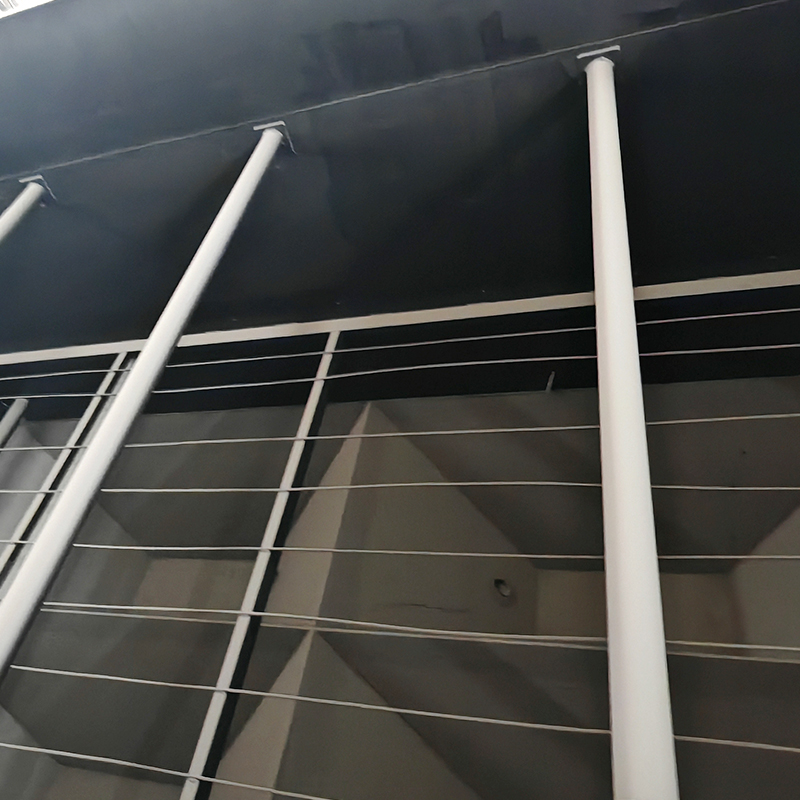
Inclined Tube Sedimentation Tank
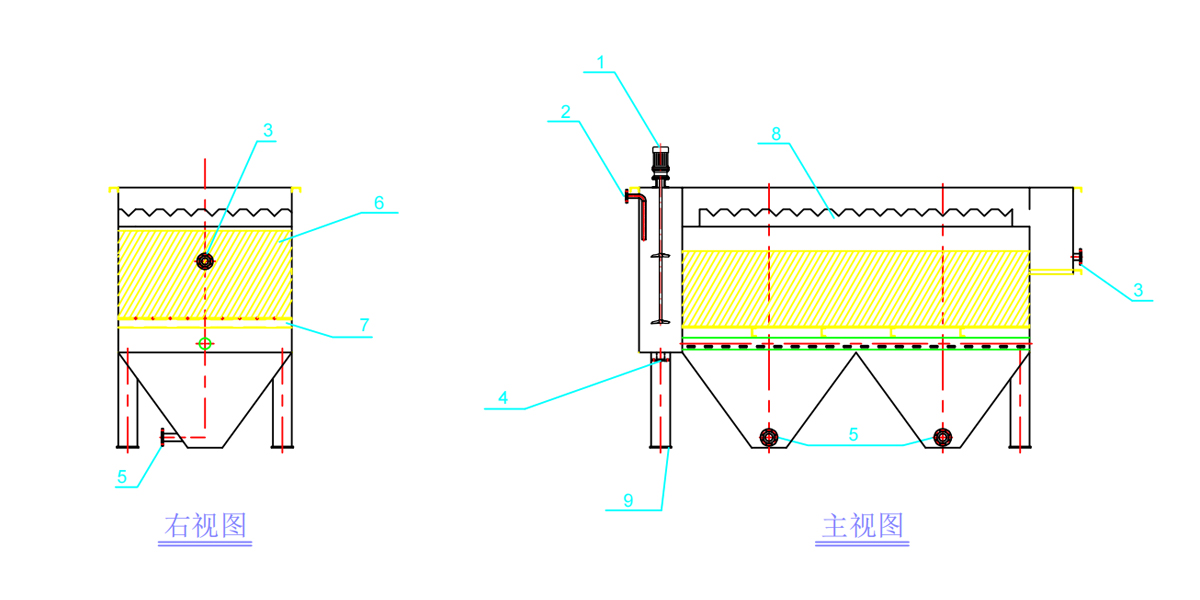
Integrated inclined tube sedimentation tanks utilize the principle that suspended particles in water settle downward faster than the upward flow velocity, or that their settling time is shorter than the water's discharge time from the tank, enabling separation from the flow to achieve water purification. They remove suspended solids through natural sedimentation or coagulation-flocculation processes.
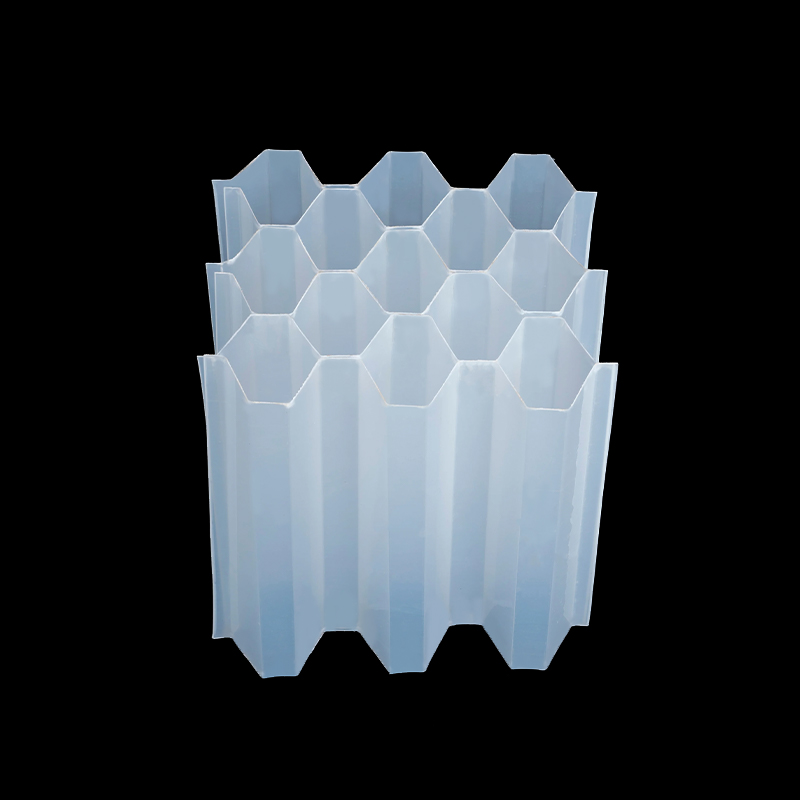
Sedimentation tanks are classified by flow direction into horizontal and vertical types. Sedimentation efficiency depends on water velocity within the tank and retention time. To enhance performance and reduce footprint, designs like honeycomb inclined tube counter-current sedimentation tanks, accelerated clarification tanks, and pulse clarification tanks are commonly employed. Sedimentation tanks are widely used in wastewater treatment.
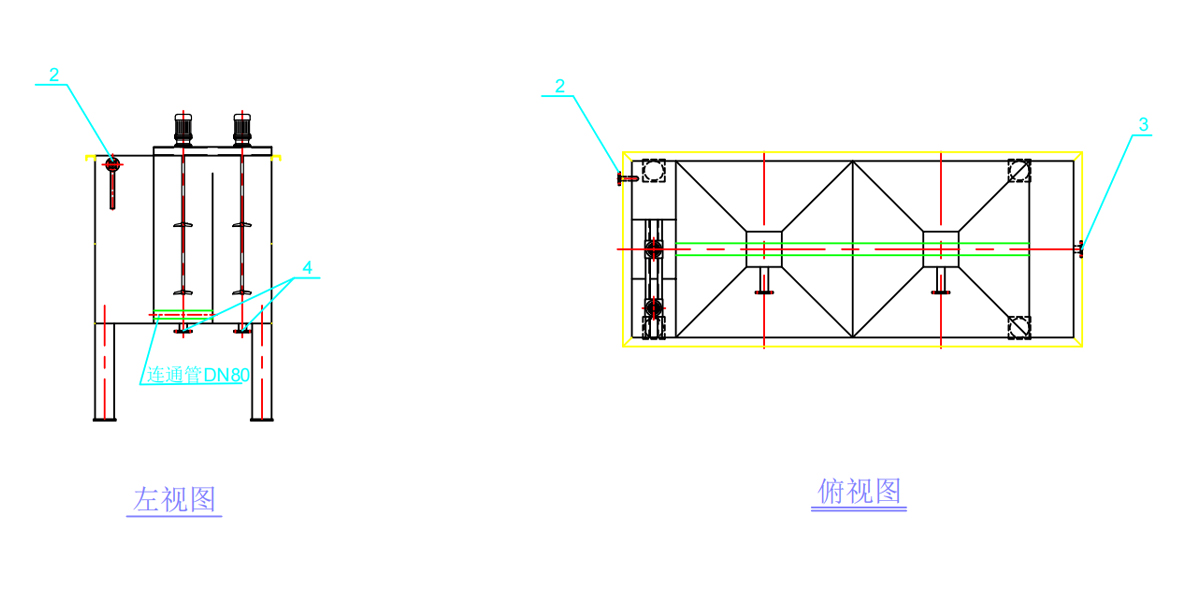
A horizontal flow sedimentation tank comprises three components: inlet and outlet ports, the flow section, and a sludge hopper. The tank has a rectangular cross-section with inlets and outlets positioned at opposite ends. An inlet channel typically employs an entering-type inlet. Water enters the tank through uniformly distributed inlet orifices. A baffle plate is installed downstream of the inlet orifices to ensure even distribution of the water flow across the tank's cross-section. The outlet commonly employs an overflow weir to ensure settled clarified water flows uniformly across the basin width into the outlet channel. A scum trough and baffle are installed upstream of the weir to intercept surface scum. The flow section constitutes the main body of the basin. Basin width and depth must ensure uniform flow distribution along the overflow section, maintaining slow, stable movement at the design velocity. The sludge hopper accumulates settled sludge and is typically located below the tank bottom near the front section. A sludge discharge pipe at the hopper bottom allows periodic sludge removal.