

 English
  русский
How to Choose the Right Dosing Device for Industry
A Dosing Device delivers a controlled quantity of chemical, liquid, or polymer into a process stream, and getting that specification wrong shows up fast: chemical overfeeding, inconsistent treatment, or unplanned downtime. This guide covers how a Dosing Device works, where it earns its keep across industries, and what to check before committing to a supplier.
Content
What Is a Dosing Device?
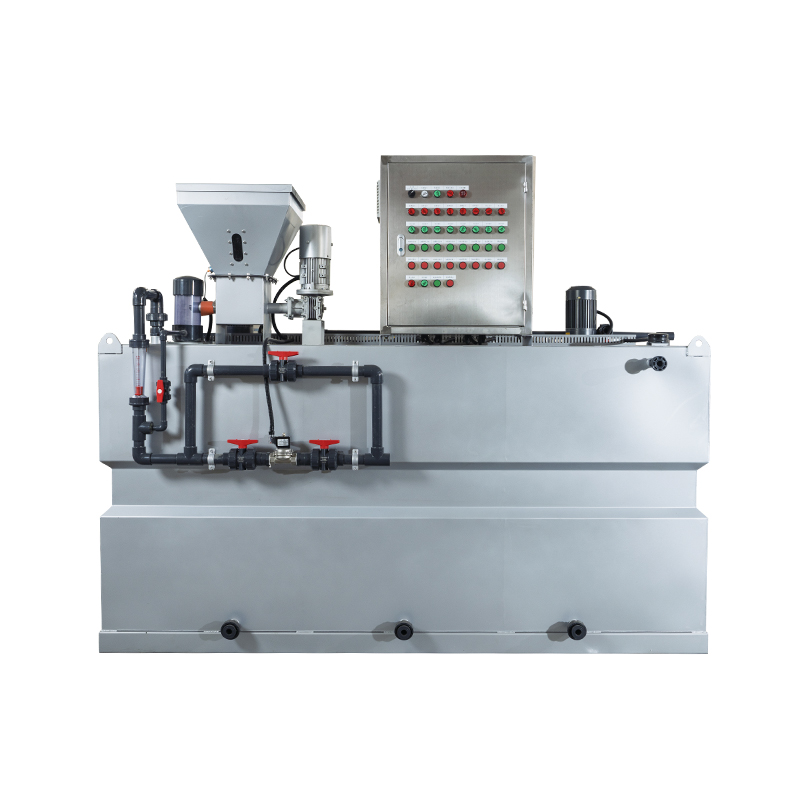
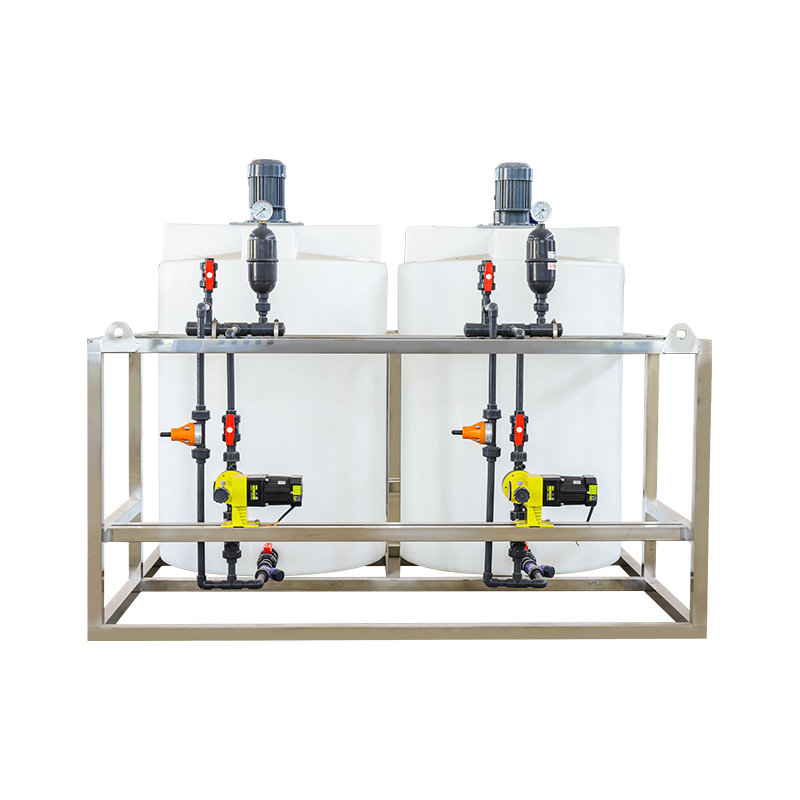
A Dosing Device is equipment built to deliver a precise, adjustable amount of chemical, liquid, or process media on a continuous or batch basis, distinguishing it from a conventional transfer pump that simply moves fluid without metering control. A complete system typically integrates a dosing pump, chemical storage tank, metering mechanism, control panel, valves, piping, and sensors working together as one coordinated unit.
Beyond the pump itself, buyers should look at the full specification: dosing capacity, flow rate, dosing accuracy, working pressure, tank capacity, material compatibility, and control method all determine whether a given unit actually fits the process it's being bought for.
How a Dosing Device Works
Draw
The dosing pump draws chemical or liquid from the storage tank.
Meter
The metering mechanism sets and controls the dosing rate.
Regulate
Valves and piping direct and regulate the chemical flow.
Monitor
Sensors track pressure, flow, and tank level in real time.
Adjust
The PLC applies feedback control to keep dosing consistent.
Key Advantages
High Efficiency
Cuts chemical overfeeding and underfeeding, improving utilization in continuous operations.
Precise & Stable
Holds a consistent dosing rate, removing the fluctuation that comes with manual dosing.
Corrosion Resistant
Wetted components are matched to acids, alkalis, polymers, and disinfectants to extend service life.
Cost Effective
Lowers chemical waste and labor needs, reducing total cost of ownership over time.
Safer Operation
Enclosed handling and automated control cut direct operator contact with hazardous media.
The trade-off that matters most: a Dosing Device costs more upfront than manual dosing, but the accuracy it provides is usually what brings operating costs down over the equipment's service life.
Applications Across Industries
Water & Wastewater
Coagulants, flocculants, disinfectants, and pH adjustment for continuous treatment.
Chemical Processing
Accurate ratio control for continuous manufacturing processes.
Pulp & Paper
Consistent chemical concentration through the papermaking process.
Mining & Minerals
Controlled flocculant and coagulant addition in demanding environments.
Food & Beverage
Cleaning, sanitation, and process dosing with hygienic-compatible materials.
Agriculture
Consistent liquid fertilizer dosing with reduced material waste.
Dosing Device vs Manual Dosing
| Factor | Dosing Device | Manual / Conventional Pumping |
| Dosing Accuracy | Adjustable and repeatable | Dependent on operator control |
| Chemical Use | Optimized consumption | Higher risk of waste |
| Labor Requirement | Low | Higher |
| Process Stability | High | Can fluctuate |
| Best Fit | Automated industrial processes | Simple, low-demand applications |
How to Choose the Right Dosing Device
- Confirm the chemical or medium, required dosing capacity, and flow rate
- Define operating pressure, temperature, and whether dosing is continuous or batch
- Check tank, pump, and piping material against the dosing medium
- Review automation level, monitoring functions, and expected service life
- Verify the manufacturer's testing procedures, documentation, and after-sales support
Equipment selection should follow actual application requirements rather than price alone; a supplier that asks for process data before quoting is generally the one worth engineering with.
Future Trends
PLC-based automation, real-time sensor feedback, and remote monitoring are becoming standard on new Dosing Device platforms, alongside a push toward more compact, modular designs that cut chemical waste and energy use as environmental regulations tighten.
Frequently Asked Questions
What is the difference between a dosing device and a regular pump?
A regular transfer pump moves fluid without controlling the amount. A dosing device meters a precise, adjustable quantity of chemical or liquid on a continuous or batch basis.
Which materials should wetted components use?
It depends on the chemical: acids, alkalis, polymers, and disinfectants each require different corrosion-resistant materials to avoid premature wear.
Can one dosing device handle multiple dosing points?
Yes, systems can be configured with multiple dosing points, though capacity, tank volume, and control setup need to be sized for the added demand.
How should I evaluate a dosing device supplier?
Check their engineering and customization capability, quality control and testing procedures, technical documentation, and after-sales support, not just the quoted price.
 |
 |
Let's Cooperate with Yixing Hengye Environmental Protection
Contact Us
- Product Categories
- Sludge Dewatering Machine
- Roller Filter
- Dissolved Air Flotation Machine(DAF)
- Rotary Mechanical Bar
- Dosing Device
- Aerator
- Biological Packing Material
- Other Wastewater Treatment Equipment
- Contact Us
-
-
[email protected]

[email protected] -
+86-13812201185

-
+86-13812201185

-
No. 20, Saite Road, Gaoyao Village, Gaocheng Town, Yixing City, Wuxi City, Jiangsu Province, China

-



