

 English
  русский
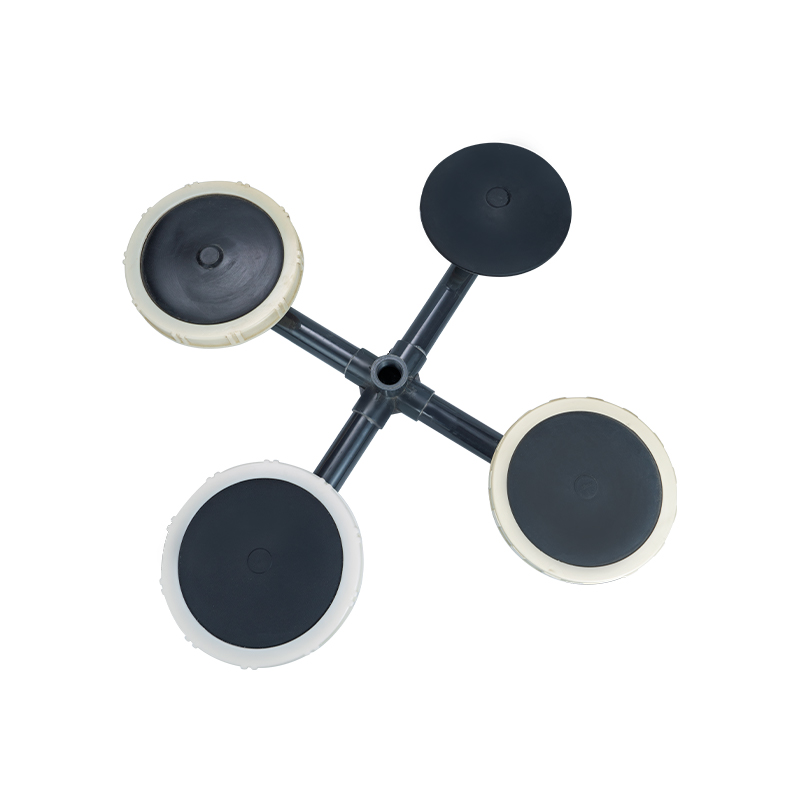
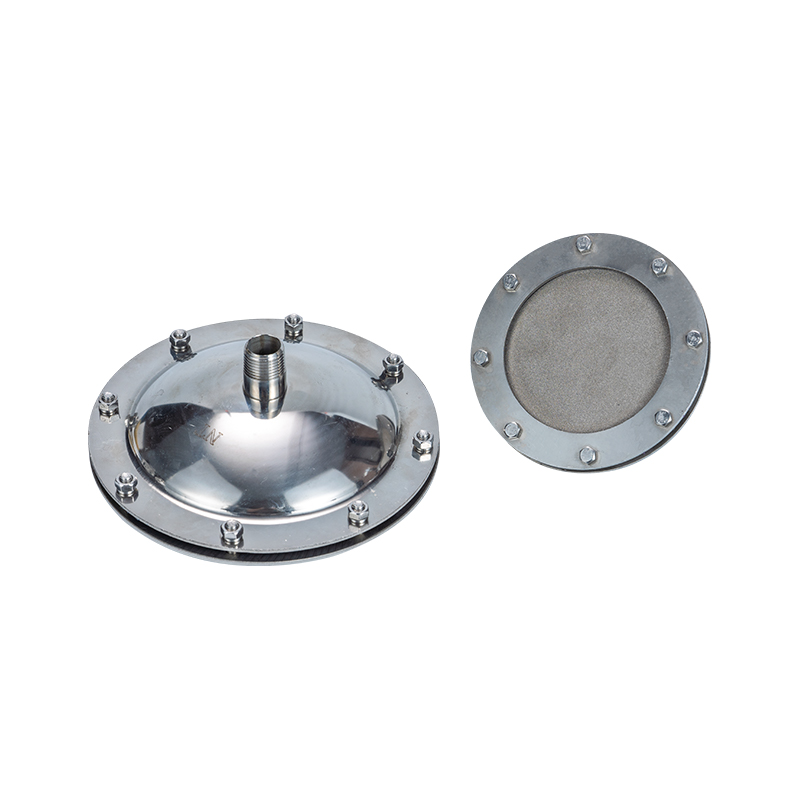
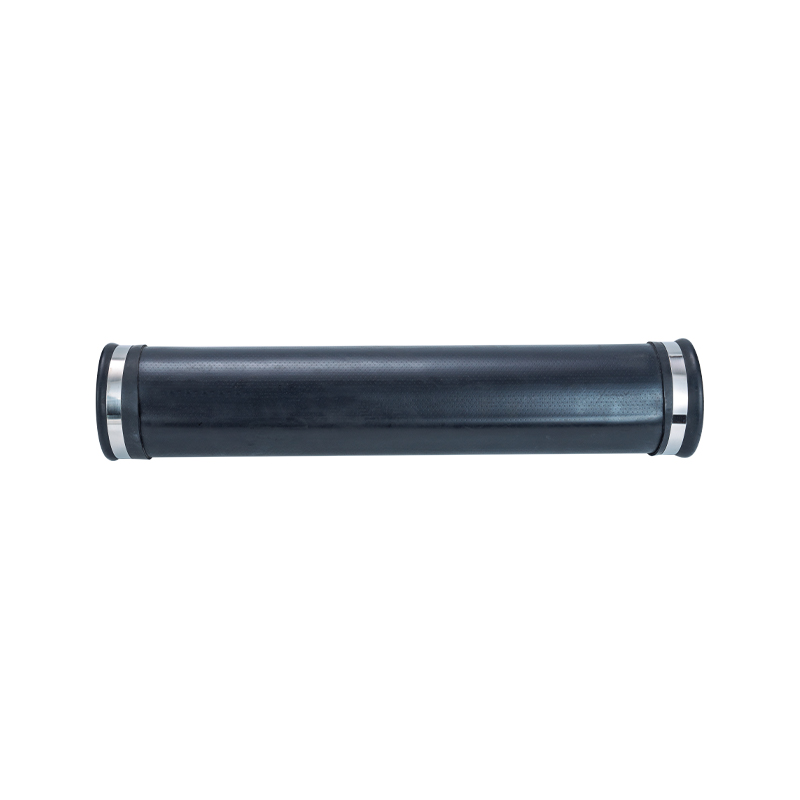
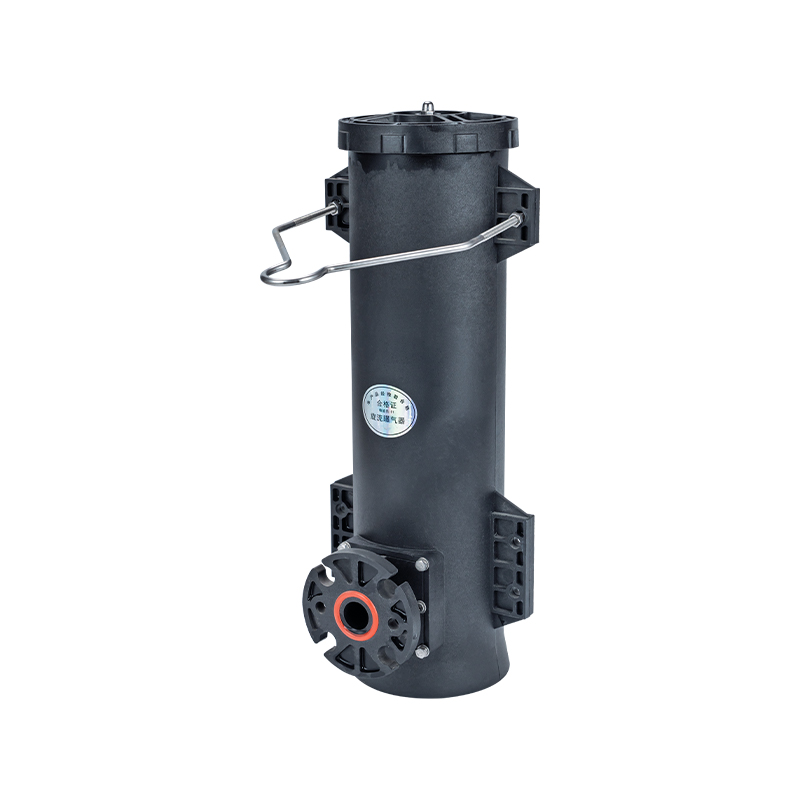
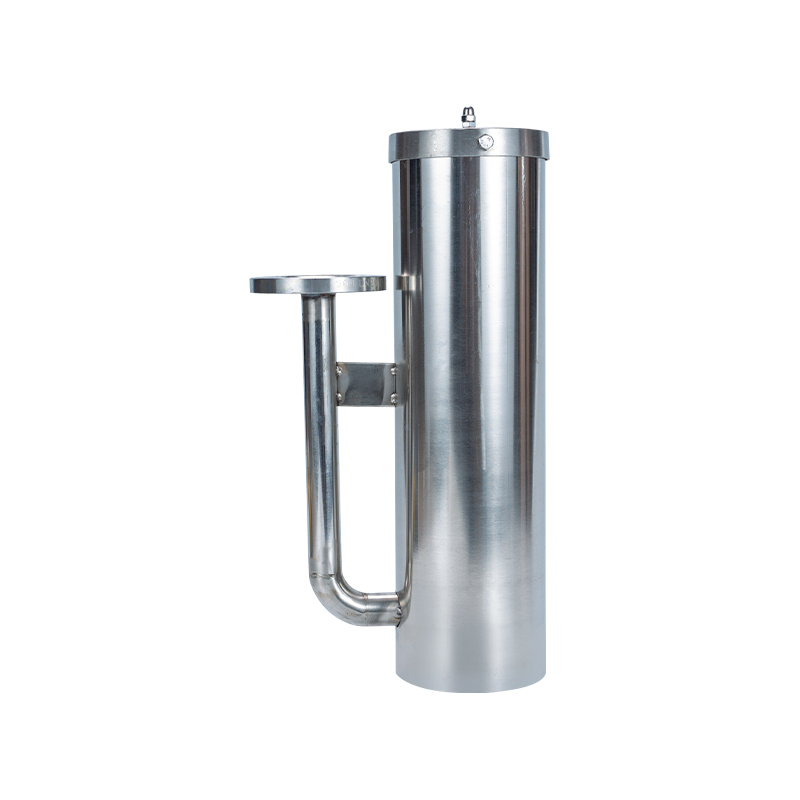
Microporous aerators are water treatment devices that achieve highly efficient aeration through a unique membrane structure. Their core function is to improve oxygen transfer efficiency and prevent mixed liquor backflow. Equipped with a self-closing pore structure and anti-buoyancy technology, these devices effectively prevent mixed liquor backflow and micropore clogging. Through the cooperation of an adjustable support frame and UPVC piping system, the device can adapt to complex conditions such as uneven tank bottoms and thermal expansion and contraction, and supports stable operation in extreme operating temperature environments up to 90℃. Common types of microporous aerators include: membrane-type microporous aerators, rotary aerators, tubular aerators, disc aerators, and titanium aerators.
Working principle
A microporous aerator is a device that evenly disperses air into water through tiny pores. Its core principle is to use a high-pressure blower to deliver air to the bottom of the aerator. As the air passes through the pores of the microporous aerator, it forms a large number of tiny bubbles. These bubbles rise in the water, making full contact with the water, thus transferring oxygen to the wastewater, promoting the metabolic activity of microorganisms, and accelerating the decomposition of organic matter. Compared with traditional aeration methods, microporous aerators produce bubbles with smaller diameters, typically between 1-3 millimeters. Due to the larger surface area to volume ratio of the bubbles, oxygen transfer efficiency is significantly improved.
Features
1. The microporous aerator is made of high-quality imported rubber, which has excellent corrosion resistance and oxidation resistance, and is also lightweight and high-strength.
2. The bubbles are small in diameter and dense and uniform, which has the advantages of not being easily clogged, and is especially effective in ozone aeration applications.
3. With a wide range of applications, the microporous aerator is widely used in ozone sterilization for drinking water and reclaimed water reuse, aeration in sewage treatment aeration tanks, and fermentation oxygenation, and is an essential piece of equipment for blower aeration and oxygenation.
-
0+Over 10 Years of Wastewater Treatment Solutions
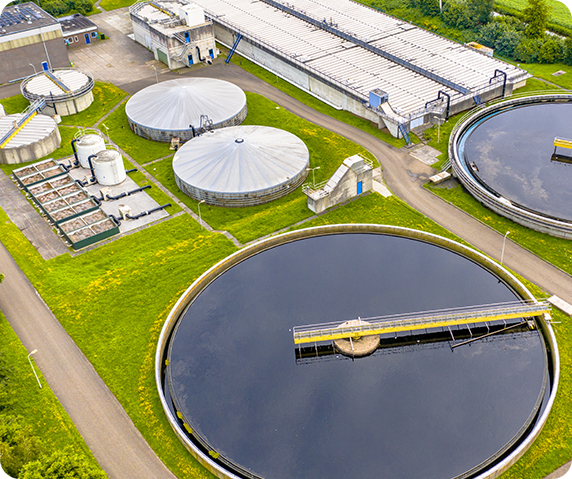


With a strong technical foundation and an ISO-certified quality system, Hengye helps clients across various industries enhance treatment efficiency, reduce operating costs, and meet global environmental standards.
-
Established in 2015

-
Certified Under ISO 9001 Quality Management System
-
Engaged in in-depth Collaborations with Multiple Academic Institutions
-
Professional Environmental Equipment Manufacturing Team
-
 2026-10-21
 -
2026-10-14
-
2026-10-07
-
2026-09-30
-
2026-09-23
Industry Knowledge
The Role of Oxygen Transfer Efficiency in Aerator Selection
Oxygen transfer efficiency (OTE) is the single most important performance metric when evaluating aeration equipment for biological wastewater treatment. It measures the percentage of oxygen from an air source that actually dissolves into the wastewater — a figure that varies dramatically between aerator types, installation depth, basin geometry, and wastewater characteristics such as temperature, salinity, and surfactant content.
Fine bubble diffusers, for example, achieve standard oxygen transfer efficiencies of 20–35% in clean water conditions, while surface aerators and jet aerators typically fall in the 8–15% range. However, actual process OTE in mixed liquor is consistently lower than clean-water figures — typically by a factor of 0.6–0.85 depending on the alpha coefficient of the specific wastewater. For high-strength industrial effluents such as those from chemical plants or leather factories, this correction is critical to accurately sizing aeration capacity and avoiding underperformance during peak loading periods. Selecting the right Aerator based on verified OTE data rather than nominal specifications prevents costly undersizing and ensures biological treatment targets are consistently met.
Aerator Types and Their Practical Fit Across Industrial Sectors
Different industrial wastewater profiles demand different aeration strategies. No single technology is universally optimal — the right choice depends on basin depth, organic loading, suspended solids concentration, and whether the primary objective is BOD removal, nitrification, or keeping mixed liquor solids in suspension.
| Aerator Type | Best Suited For | Key Advantage | Common Industrial Application |
|---|---|---|---|
| Fine bubble diffuser | Deep basins, high OTE demand | Highest oxygen transfer efficiency | Paper mills, printing wastewater |
| Surface mechanical aerator | Shallow ponds, lagoons | Simple installation, low maintenance | Garment factories, plastic plants |
| Jet aerator | High mixing intensity requirements | Strong mixing + oxygenation combined | Chemical plants, leather tanneries |
| Submersible aerator | Space-constrained installations | Compact, flexible positioning | Small to mid-scale industrial plants |
For facilities treating composite effluents — such as those combining process wastewater from multiple production lines — hybrid aeration configurations combining fine bubble diffusion with mechanical mixing are increasingly adopted to balance oxygen delivery with adequate basin-wide agitation.
Dissolved Oxygen Management: Avoiding the Hidden Costs of Over- and Under-Aeration
Maintaining dissolved oxygen (DO) levels within the target range — typically 2.0–4.0 mg/L in activated sludge systems — is as important as the choice of aeration equipment itself. Deviating from this range in either direction carries measurable operational consequences that compound over time.
Under-aeration starves aerobic microorganisms, triggering the proliferation of filamentous bacteria responsible for sludge bulking — a condition that impairs settling, increases effluent suspended solids, and can lead to permit exceedances within days. In high-BOD industrial effluents such as those from food processing or chemical manufacturing, under-aeration can shift the treatment process toward anaerobic conditions, generating odorous compounds including hydrogen sulfide and mercaptans.
Over-aeration, while less catastrophic biologically, drives energy expenditure well above what the process actually requires. Blowers and aerator motors are among the largest energy consumers in any treatment plant — accounting for 50–70% of total facility electricity use in biological treatment systems. Hengye Technology designs aeration solutions with DO control integration, enabling variable-speed operation that tracks actual oxygen demand rather than running at fixed output, delivering meaningful energy reductions without compromising effluent quality.
Aeration System Fouling: Causes, Consequences, and Prevention Strategies
Diffuser fouling is one of the most persistent operational challenges in submerged aeration systems. Over time, mineral scaling (calcium carbonate, iron hydroxides), biological clogging from biofilm growth, and physical plugging from fine particulates progressively increase back-pressure, reduce airflow distribution uniformity, and decrease effective OTE — sometimes by 20–40% relative to clean membrane performance.
Facilities treating wastewater from leather tanneries, chemical plants, or paper mills face accelerated fouling rates due to elevated concentrations of calcium, iron, and organic foulants in their effluents. Proven mitigation strategies include:
- Air scour cycles — periodic high-flow purges dislodge accumulated solids from membrane surfaces without requiring basin dewatering.
- Acid cleaning protocols — dilute citric or hydrochloric acid cleaning dissolves mineral scale on EPDM and PTFE membrane diffusers, restoring airflow characteristics.
- Pre-filtration of process air — removing dust, oil mist, and moisture from blower discharge prevents particulate accumulation within diffuser pores.
- Regular back-pressure monitoring — tracking blower discharge pressure trends provides early warning of fouling onset before OTE degradation becomes significant.
Pairing the right Aerator specification with a structured fouling management program is essential for sustaining long-term treatment performance — particularly in industrial sectors where influent chemistry creates aggressive fouling conditions year-round.
- Product Categories
- Sludge Dewatering Machine
- Roller Filter
- Dissolved Air Flotation Machine(DAF)
- Rotary Mechanical Bar
- Dosing Device
- Aerator
- Biological Packing Material
- Other Wastewater Treatment Equipment
- Contact Us
-
-
[email protected]

-
+86-13812201185

-
+86-13812201185

-
No. 20, Saite Road, Gaoyao Village, Gaocheng Town, Yixing City, Wuxi City, Jiangsu Province, China

-



