• Biological Packing Material
    Biological Packing Material
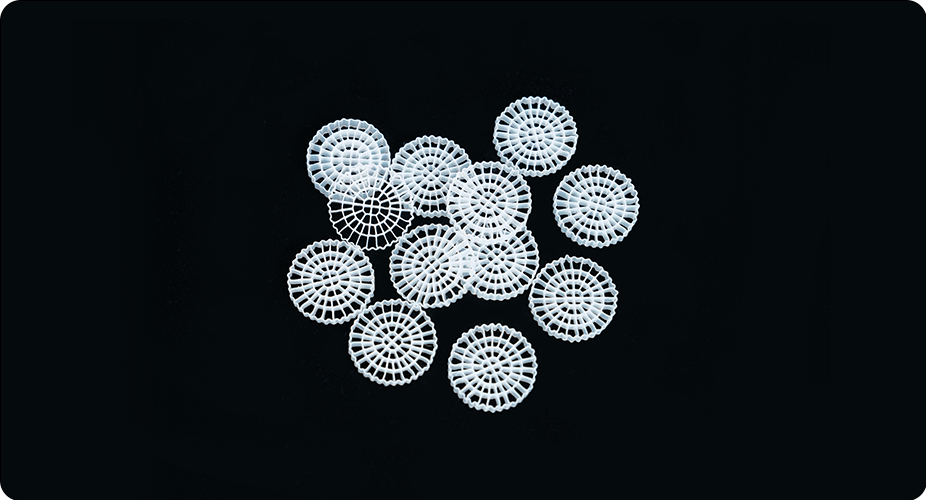
    Biological packing materials are widely used biochemical treatment materials in water treatment, primarily serving as carriers for microbial attachment and growth. Their main functions include increasing sludge concentration in biological systems, reducing sludge load, and promoting the effective degradation of organic matter. Biological packing materials also possess excellent physicochemical properties, such as large specific surface area, high porosity, and good hydrophilicity. These characteristics provide a favorable environment for microbial growth, further enhancing their wastewater treatment capabilities.Types and characteristics of biological packing materials1. Diverse types: Common biological packing materials include honeycomb inclined tube packing, synthetic fiber balls, fiber bundles, and biological ropes. In addition, there are soft fiber packing, semi-soft packing, combined fiber packing, elastic three-dimensional packing, suspended packing, and fiber ball packing.2. Structural Design: These packing materials typically have a large specific surface area and high porosity to ensure that microorganisms can attach and grow rapidly. For example, MBBR (Aerobic Biological Fluidized Bed) packing materials use a three-dimensional hollow structure, suspended in water, where anaerobic bacteria can grow inside for denitrification , while aerobic bacteria grow on the outside to remove organic matter.3. Material characteristics: Biological fillers are mostly made of corrosion-resistant, lightweight, and high-strength materials, such as polyurethane foam and polymer materials . These materials not only have good mechanical properties and chemical stability, but also have enhanced hydrophilicity and biological activity through special process modification.Functional advantages:1. Hydrophilicity and lipophilicity: Some biological fillers have good hydrophilicity and lipophilicity, which helps to store oxygen and improve the adhesion of microorganisms.2. Strong load resistance: For example, MBBR packing exhibits strong load resistance and high processing efficiency during operation.3. High-efficiency denitrification: Some packing materials can grow anaerobic bacteria inside, producing denitrification, thereby achieving the denitrification effect.Features1. Specific surface area and porosity: A larger specific surface area and higher porosity are conducive to the attachment and growth of microorganisms.2. Material characteristics: Corrosion-resistant, lightweight, and high-strength materials are preferred, while also possessing good hydrophilicity and biological activity.3. Economic efficiency and environmental friendliness: An ideal biological packing material should have low operating costs and a small footprint, while meeting national environmental protection standards.Biological packing materials play a vital role in wastewater treatment, and their diverse types and superior performance make them an indispensable part of modern environmental protection technology.
  • Aerator
    Aerator
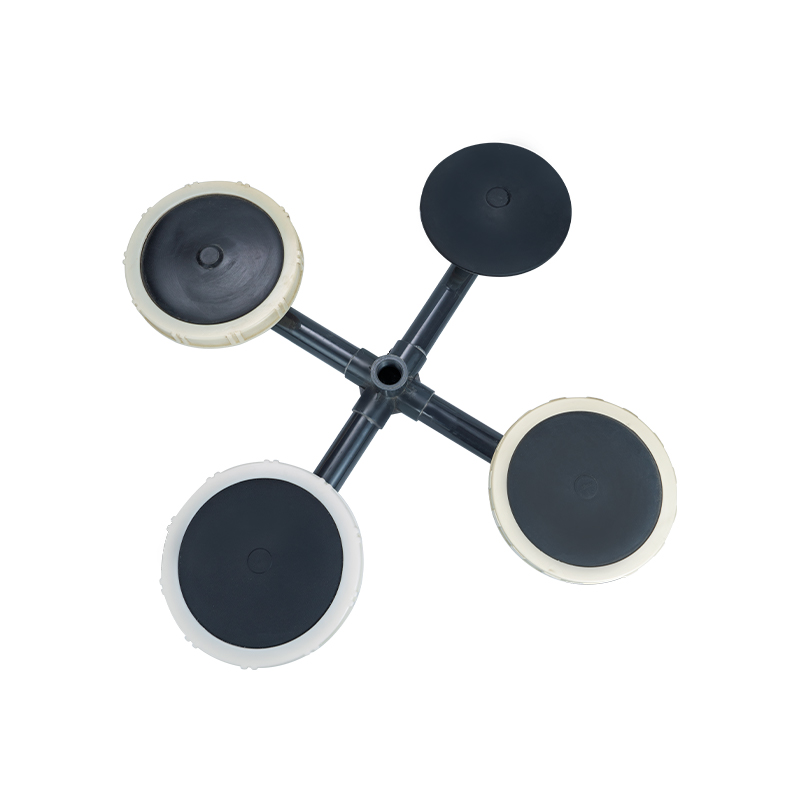
    Microporous aerators are water treatment devices that achieve highly efficient aeration through a unique membrane structure. Their core function is to improve oxygen transfer efficiency and prevent mixed liquor backflow. Equipped with a self-closing pore structure and anti-buoyancy technology, these devices effectively prevent mixed liquor backflow and micropore clogging. Through the cooperation of an adjustable support frame and UPVC piping system, the device can adapt to complex conditions such as uneven tank bottoms and thermal expansion and contraction, and supports stable operation in extreme operating temperature environments up to 90℃. Common types of microporous aerators include: membrane-type microporous aerators, rotary aerators, tubular aerators, disc aerators, and titanium aerators.Working principleA microporous aerator is a device that evenly disperses air into water through tiny pores. Its core principle is to use a high-pressure blower to deliver air to the bottom of the aerator. As the air passes through the pores of the microporous aerator, it forms a large number of tiny bubbles. These bubbles rise in the water, making full contact with the water, thus transferring oxygen to the wastewater, promoting the metabolic activity of microorganisms, and accelerating the decomposition of organic matter. Compared with traditional aeration methods, microporous aerators produce bubbles with smaller diameters, typically between 1-3 millimeters. Due to the larger surface area to volume ratio of the bubbles, oxygen transfer efficiency is significantly improved.Features1. The microporous aerator is made of high-quality imported rubber, which has excellent corrosion resistance and oxidation resistance, and is also lightweight and high-strength.2. The bubbles are small in diameter and dense and uniform, which has the advantages of not being easily clogged, and is especially effective in ozone aeration applications.3. With a wide range of applications, the microporous aerator is widely used in ozone sterilization for drinking water and reclaimed water reuse, aeration in sewage treatment aeration tanks, and fermentation oxygenation, and is an essential piece of equipment for blower aeration and oxygenation.
  • Rotary Mechanical Bar
    Rotary Mechanical Bar
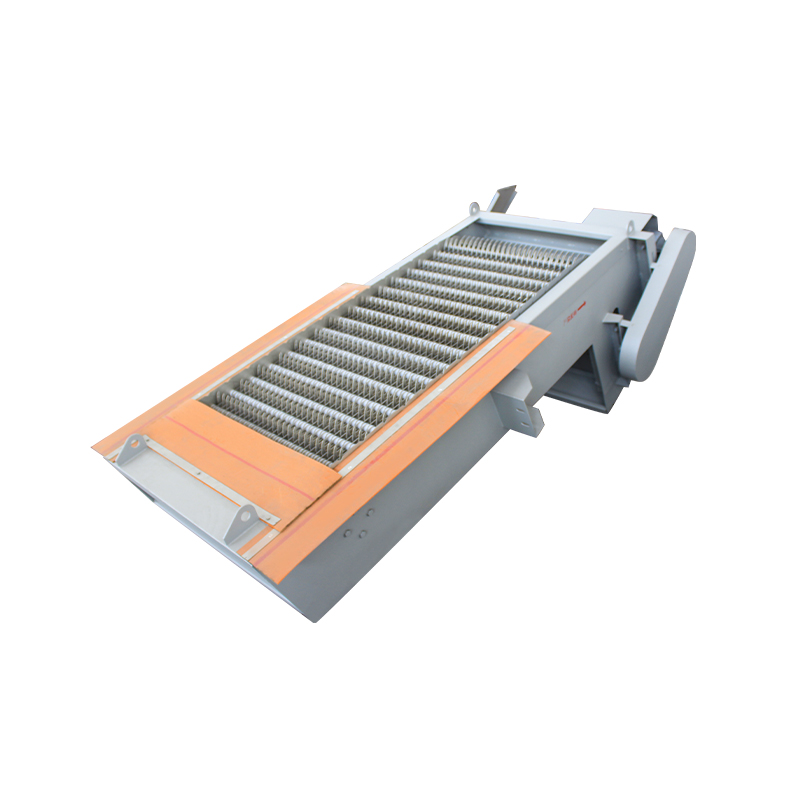
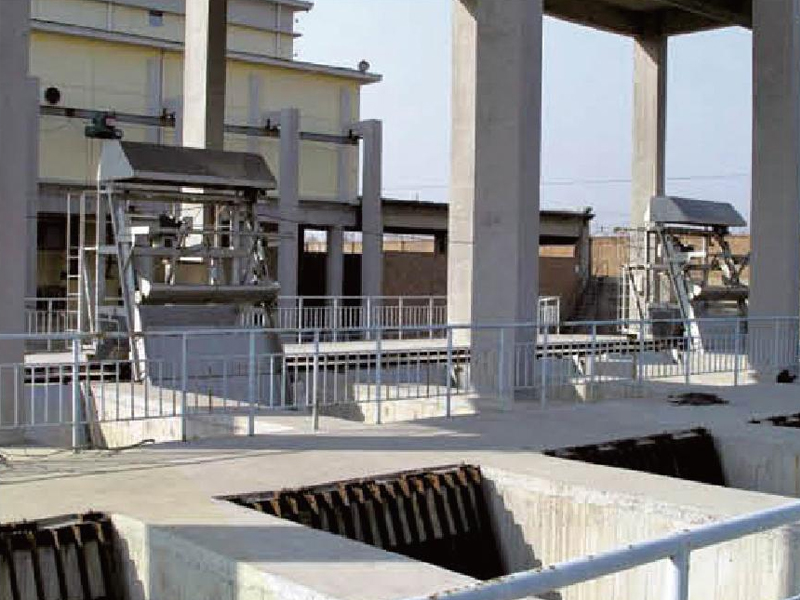
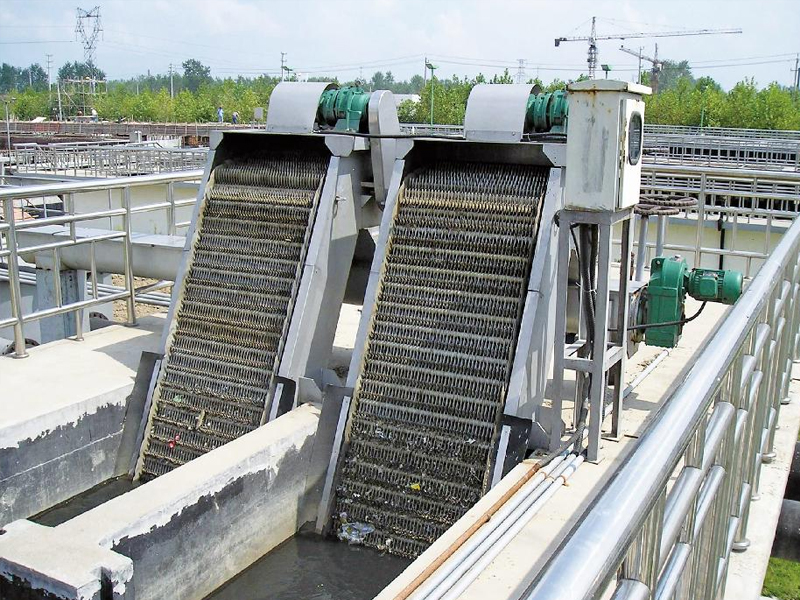
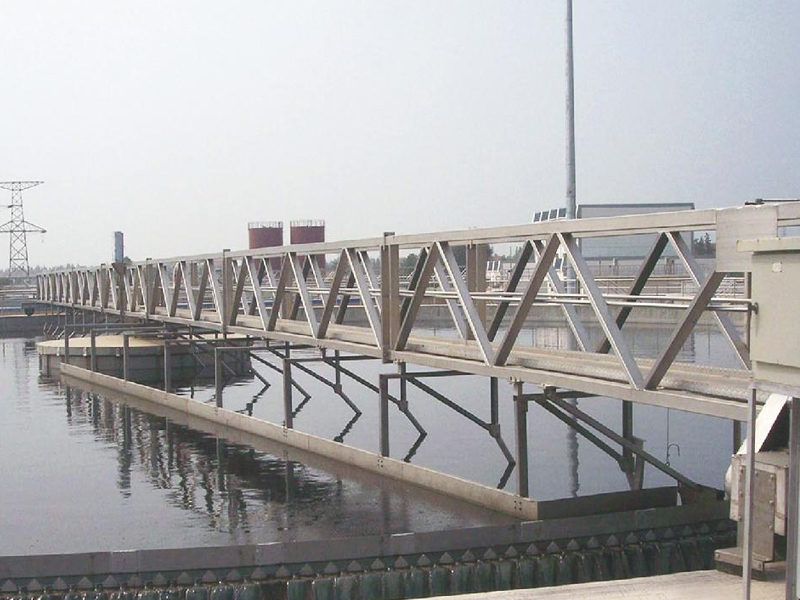
    Rotary mechanical bar screens, also known as rotary bar screens, are advanced solid-liquid separation equipment for water treatment. They are mainly used at the inlets of urban sewage treatment plants, municipal stormwater and sewage pumping stations, waterworks, and power plant cooling water systems. This equipment is also widely used in water treatment projects in various industries such as textiles, printing and dyeing, food, aquaculture, papermaking, slaughtering, and leather making. It is an ideal solid-liquid separation device in the water treatment industry.Structure and working principleThis equipment is rotary, consisting of specially shaped plow-shaped rake teeth or stepped screens, assembled with different gaps according to the water flow rate. It is installed at the inlet of a pumping station or water treatment system. When the drive unit moves the rake chain or screen from bottom to top, the impurities in the water are lifted up, while the liquid flows through the gaps. After the equipment rotates to the top, the rake chain changes its direction of operation and moves from top to bottom. The material falls off the rake teeth by its own weight. When the rake teeth rotate from the reverse side to the bottom, another cycle of continuous operation begins, thus continuously removing impurities from the water and achieving the purpose of solid-liquid separation.Main features1. The drive unit adopts a cycloidal pinwheel or helical gear reducer motor for direct drive, which features low noise, compact structure, and smooth operation.2. The frame is an integral frame structure, which is highly rigid, easy to install, and requires less daily maintenance.3. The equipment is easy to operate and can be controlled locally or remotely.4. To prevent accidental overload, it is equipped with dual protection of mechanical shear pins and overcurrent, ensuring safe and reliable operation of the equipment.
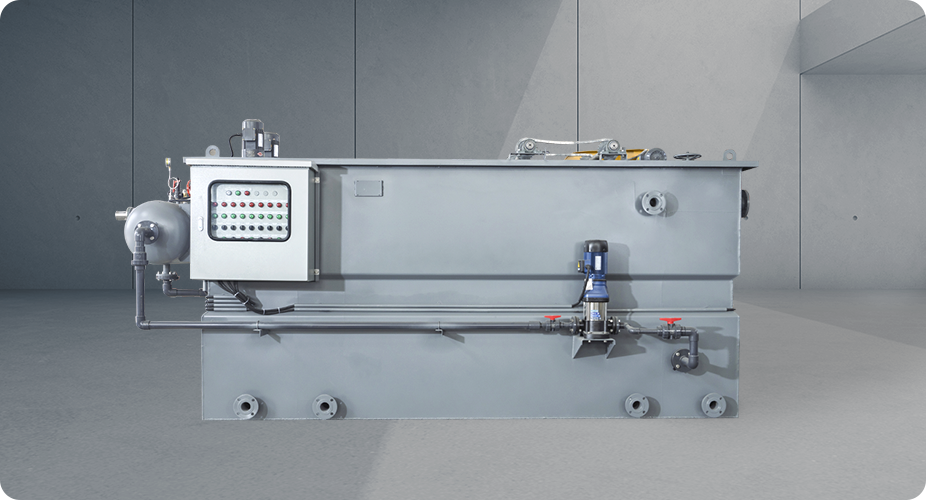
  • Dissolved Air Flotation Machine(DAF)
    Dissolved Air Flotation Machine(DAF)
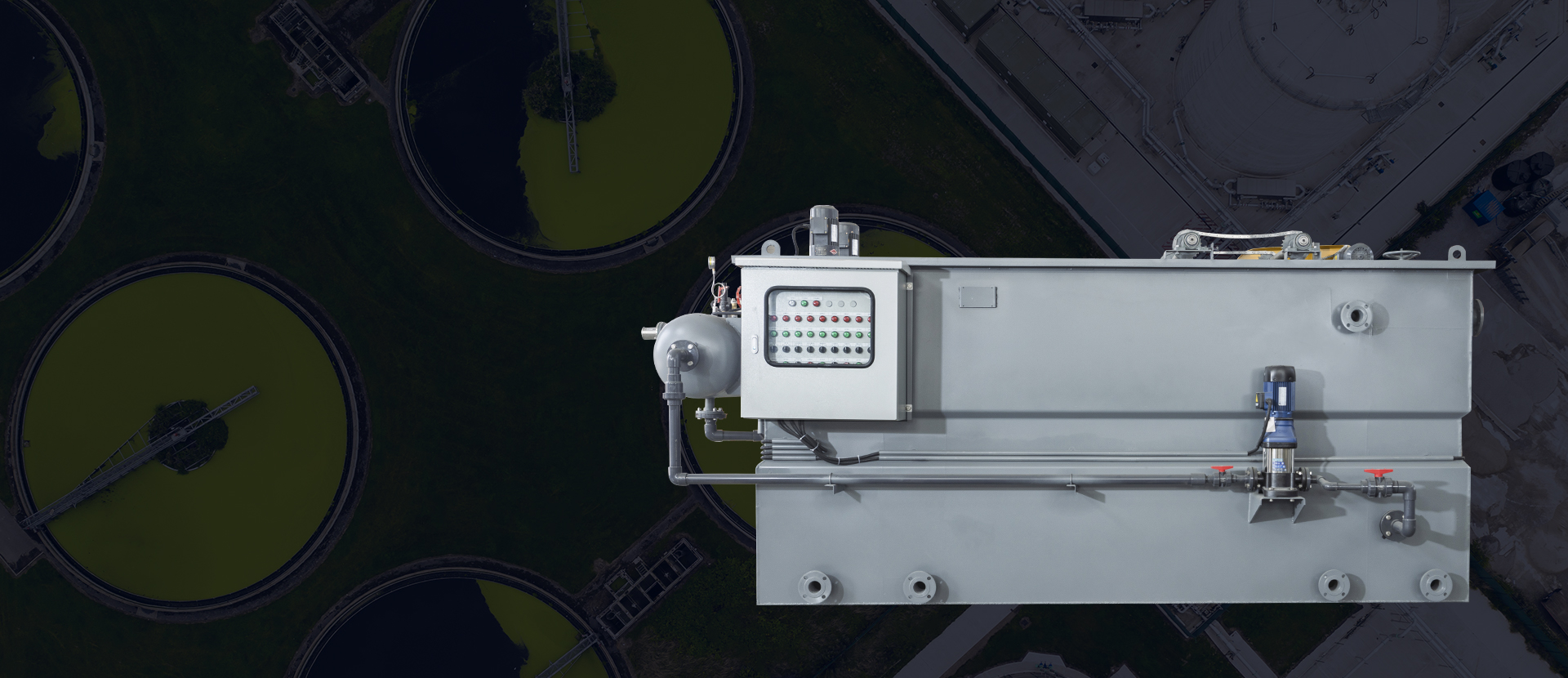
    Dissolved air flotation (DAF) is a commonly used water treatment device for removing suspended solids and dissolved gases from water. It employs dissolved air flotation technology, which involves dissolving gases in water to form microbubbles, and then using these bubbles to contact suspended particles to achieve solid-liquid separation.Working principleThe working principle of a dissolved air flotation (DAF) system is based on the adhesion of air bubbles to suspended particles and their faster rising speed than water, causing the particles to float and separate from the water. In the DAF system, gas is dissolved in water under pressure to form a saturated solution. Then, the dissolved gas is released by depressurization, causing the gas to rapidly transition from a saturated to a supersaturated state, forming microbubbles of 20-30 μm . These microbubbles combine with suspended solids in the wastewater, reducing their specific gravity until they float to the surface, forming a large amount of scum. This scum is then removed by a chain scraper installed on the flotation tank, achieving the desired treatment effect .Features :1. It occupies a small area, produces a high amount of water per unit area, and has a low moisture content in the slag.2. It has a high surface area and adsorption capacity, and can effectively remove suspended solids from wastewater of different concentrations .3. It has a wide range of applications in fields such as papermaking, printing and dyeing, leather making, electroplating, textiles, petroleum, chemicals, and food.4. The process is simple, the equipment is available in a variety of materials (Q235, SS304, SS316, etc.) , and it is easy to manage and maintain .5. It has a high degree of automation, enabling it to operate 24 hours a day without interruption, while its energy consumption is relatively low.
  • Roller Filter
    Roller Filter
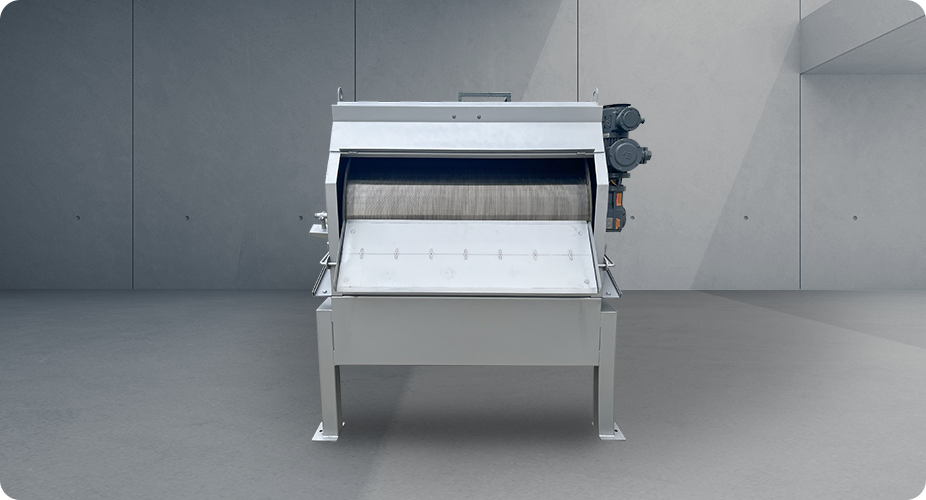
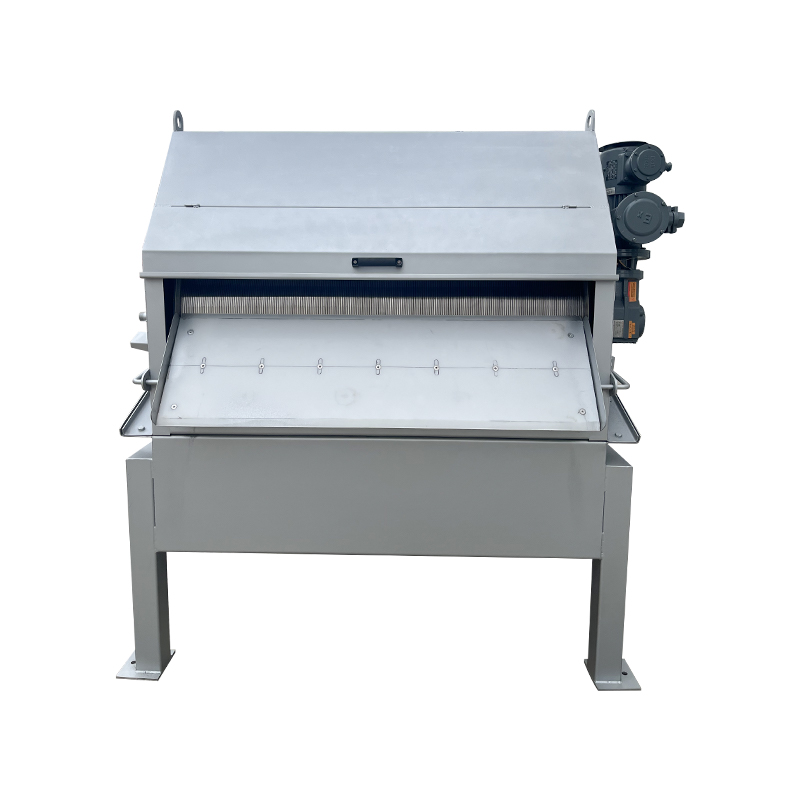
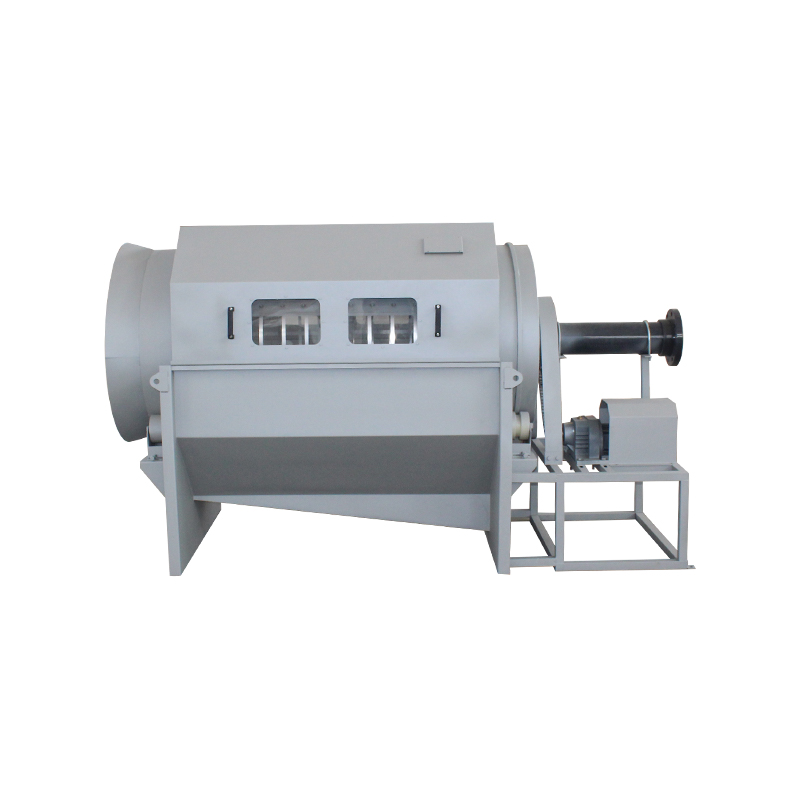
    A microfiltration machine is a solid-liquid separation device that uses sieves or filter elements to trap suspended solids, colloidal particles, and other impurities in water; it falls under the category of physical filtration. Its core function is to remove suspended particles, fibers, algae, plankton, and other organisms with particle sizes ranging from 0.1 mm to tens of micrometers from water through mechanical sieving. It is commonly used in pretreatment or advanced treatment stages of water treatment, reducing the load on subsequent treatment processes and improving water quality.Core Structure and Working Principle·Key structure: Mainly composed of a rotating drum (or filter cartridge), screen/filter plate, drive unit, backwashing system , inlet and outlet water components, etc. The screen material is mostly stainless steel, and the aperture is designed according to the treatment requirements (usually 0.05mm to 0.5mm).·Working principle: When sewage flows through the equipment, water is discharged through the screen mesh, and impurities are trapped on the screen surface; when impurities accumulate to a certain extent, they are removed by backwashing (such as water or air flushing) or mechanical scraping to ensure filtration efficiency.Classification and characteristicsBased on differences in water flow direction and structure, microfilters are mainly divided into internal flow microfilters and external flow microfilters . A comparison of their characteristics is as follows: Type Internal flow microfiltration machine External flow microfiltration machine Water flow direction Wastewater flows from the inside of the drum to the outside (inside to outside). Wastewater flows from the outside of the drum to the inside (outside to inside). Structural features The drum contains a spiral plate that collects impurities, and the filter element is a porous plate. The grid cylinder has a trapezoidal cross-section, providing strong anti-clogging capabilities. Backwashing method The water pump drives the filtered water to backwash the filter plates. Pressurized water backwashes away impurities trapped in the filter screen. performance advantages It features low head loss, energy efficiency, and a high degree of automation. Stainless steel is corrosion resistant, occupies little space, and produces slag with low moisture content. Applicable Scenarios Industrial wastewater treatment, tap water filtration, and advanced sewage treatment. Wastewater pretreatment in industries such as papermaking, leather making, and food processing. Application areas·Municipal water treatment: raw water filtration at waterworks (removal of algae, water fleas, etc.), and pretreatment or advanced treatment of municipal sewage (reduction of suspended solids load).·Industrial sector :Textile, papermaking, and printing and dyeing industries: Removal of fibers, slurries, suspended solids, etc.Food and brewing industries: filtering residues and colloidal substances;Metallurgical and chemical industries: Solid-liquid separation before wastewater recycling;Aquaculture: Purifying aquaculture water and removing impurities such as uneaten feed and feces.As water treatment needs become more refined, microfiltration machines are developing towards higher efficiency and intelligence . For example, they can be combined with IoT technology to achieve real-time monitoring of operating status, or used in conjunction with other filtration technologies (such as membrane filtration) to improve the removal capacity of trace pollutants, while optimizing backwashing efficiency to reduce energy consumption.
  • Sludge Dewatering Machine
    Sludge Dewatering Machine
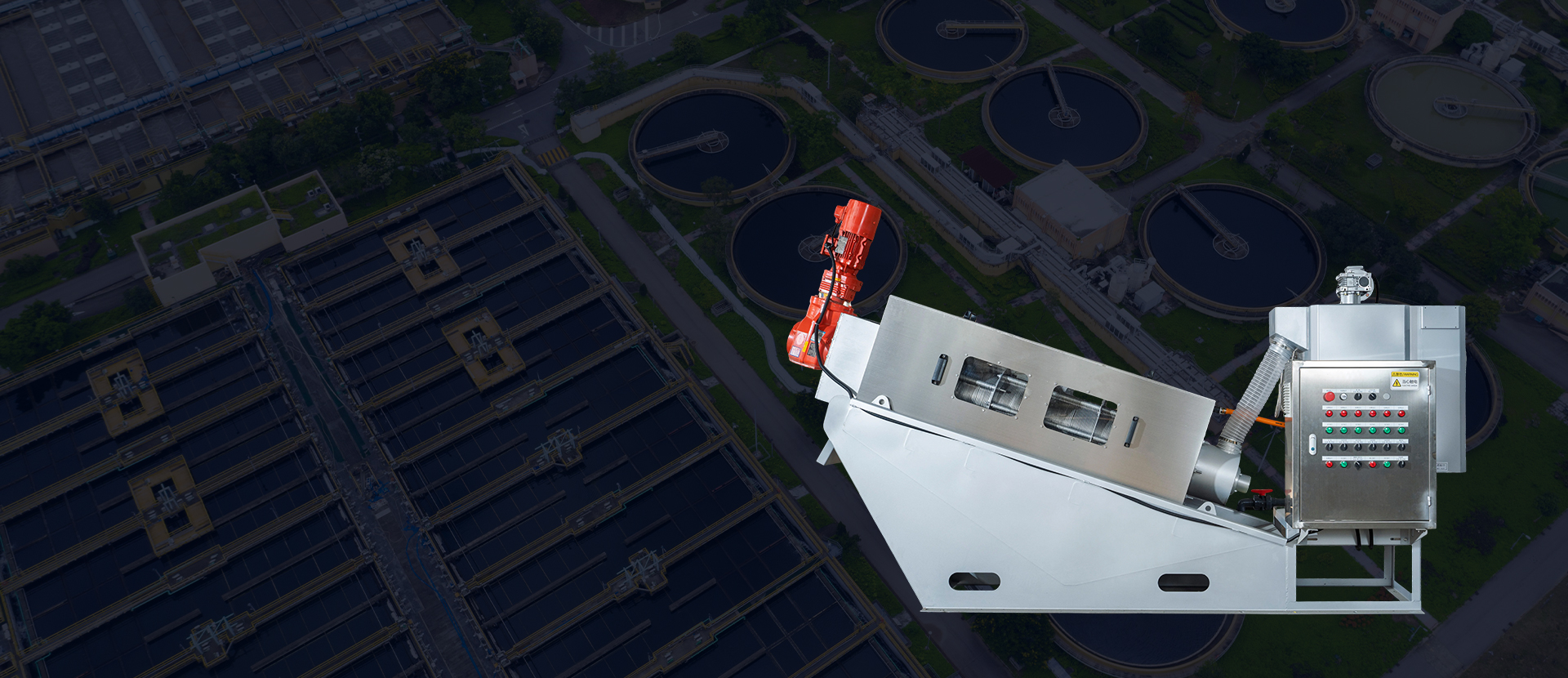
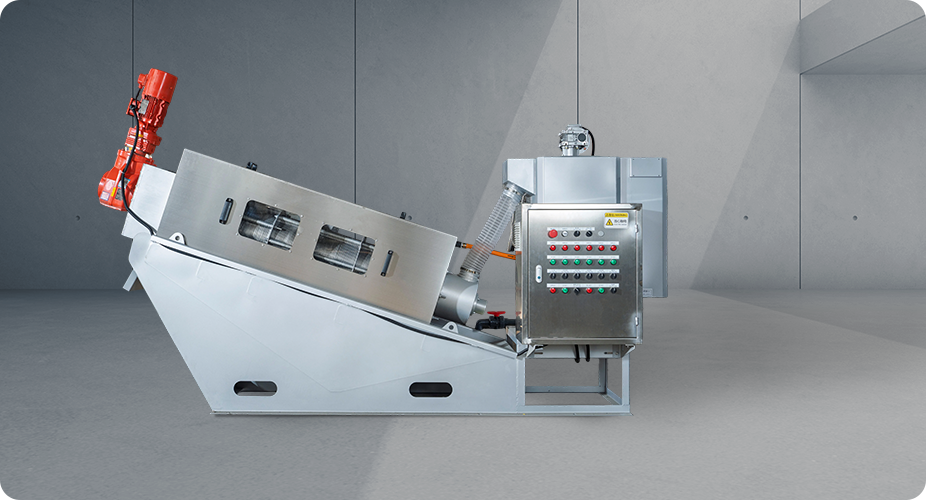
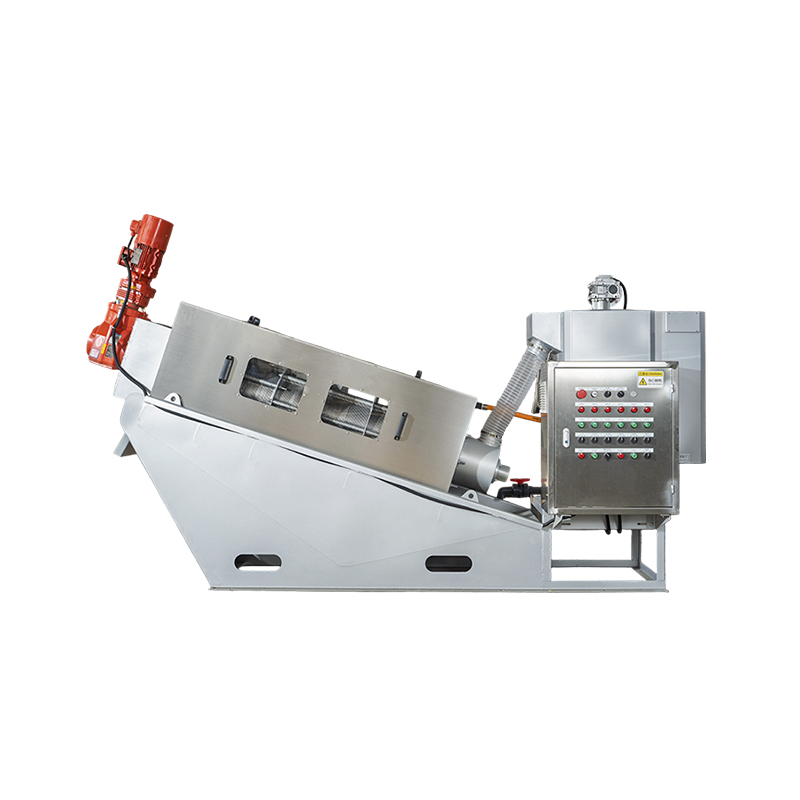
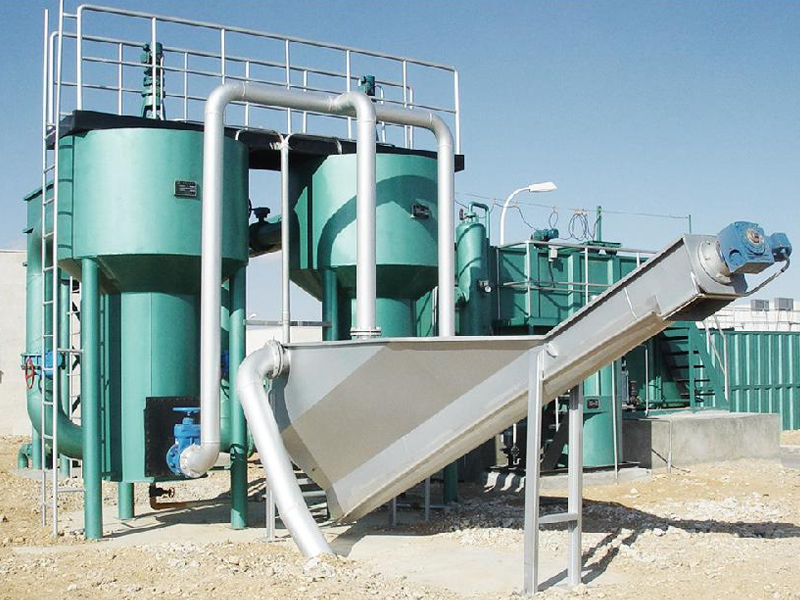
    Product Introduction: Sludge dewatering machines are continuously operating sludge treatment equipment. They are popular due to their low sludge moisture content, stable operation, low energy consumption, relatively simple control and management, and convenient maintenance. Because sludge remains in a liquid state and has a large volume after concentration or digestion, it cannot be transported or disposed of. To further reduce the moisture content and make the sludge as low as possible, it is necessary to dewater it to reduce its volume and facilitate transportation.Working principle 1. Screw press sludge dewatering machine: The filter body is formed by stacked fixed rings and moving rings, with a screw shaft running through them. Through gravity concentration and the internal pressure created by the back pressure plate during the sludge's propulsion, thorough dewatering is achieved. The filtrate is discharged from the filter gaps formed by the fixed and moving rings, and the sludge cake is discharged from the end of the dewatering section. 2. Belt sludge dewatering machine: The sludge layer is sandwiched between two taut filter belts and passes through a series of regularly arranged rollers in an S-shape. The tension of the filter belts themselves creates a squeezing and shearing force on the sludge layer, squeezing out the capillary water in the sludge layer, thereby achieving sludge dewatering. 3. Centrifugal sludge dewatering machine: Composed of a rotating drum and a screw conveyor with a hollow shaft. Sludge is fed into the drum through the hollow shaft, and under the centrifugal force generated by high-speed rotation, the sludge is thrown into the drum cavity. Due to the difference in specific gravity, solid-liquid separation occurs. Driven by the screw conveyor, the sludge is transported to the conical end of the drum and continuously discharged from the outlet; the liquid in the liquid ring layer continuously overflows from the weir and is discharged outside the drum by gravity. 4. Plate and frame sludge dewatering machine: It consists of filter plates and filter frames arranged alternately to form a closed filtration chamber. The sludge is pumped in by a high-pressure pump and squeezed by the filter frames through the hydraulic system of the equipment, so that the water in the sludge is discharged through the filter cloth, thus achieving the purpose of dewatering. The squeezed filter cake can be removed by vibration or knocking.Main function 1. Reduce moisture: Sludge dewatering machines can effectively remove moisture from sludge, thereby reducing the volume and weight of sludge, making it easier to transport and process.2. Improved processing efficiency: By reducing the moisture content of sludge, sludge dewatering machines improve the efficiency of sludge treatment and reduce the cost of subsequent treatment.3. With a wide range of applications, this equipment is widely used in various industries such as sewage treatment plants, paper mills, metallurgical plants, and slaughterhouses.4. Sludge dewatering machines have advantages such as low energy consumption, relatively simple control and management, and convenient maintenance. These features make sludge dewatering machines play a vital role in wastewater treatment and industrial production.
Yixing Hengye Environmental Protection Technology Co., Ltd. RECOMMENDED PRODUCTS
Widely Used in the Chemical, Leather, Printing, Plastics, Paper, and Textile Industries
VIEW MORE
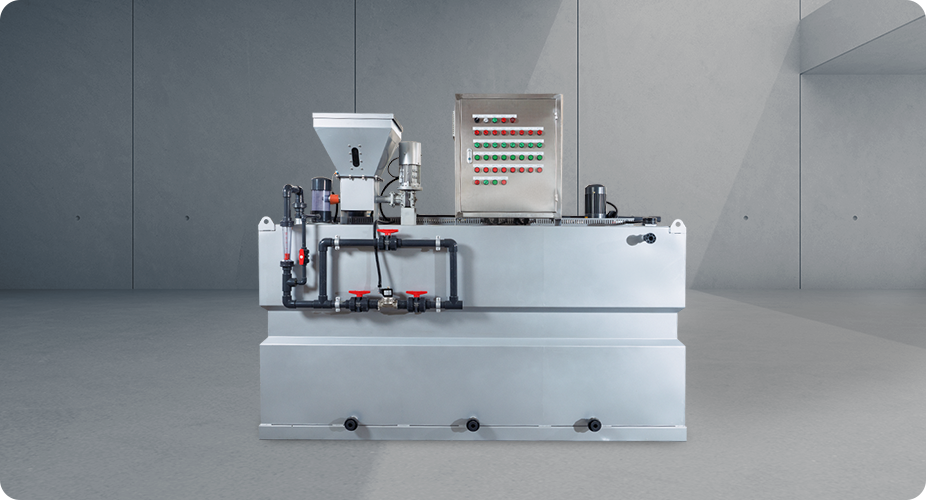
  • Fully Automatic Dosing Device
    Fully Automatic Dosing Device
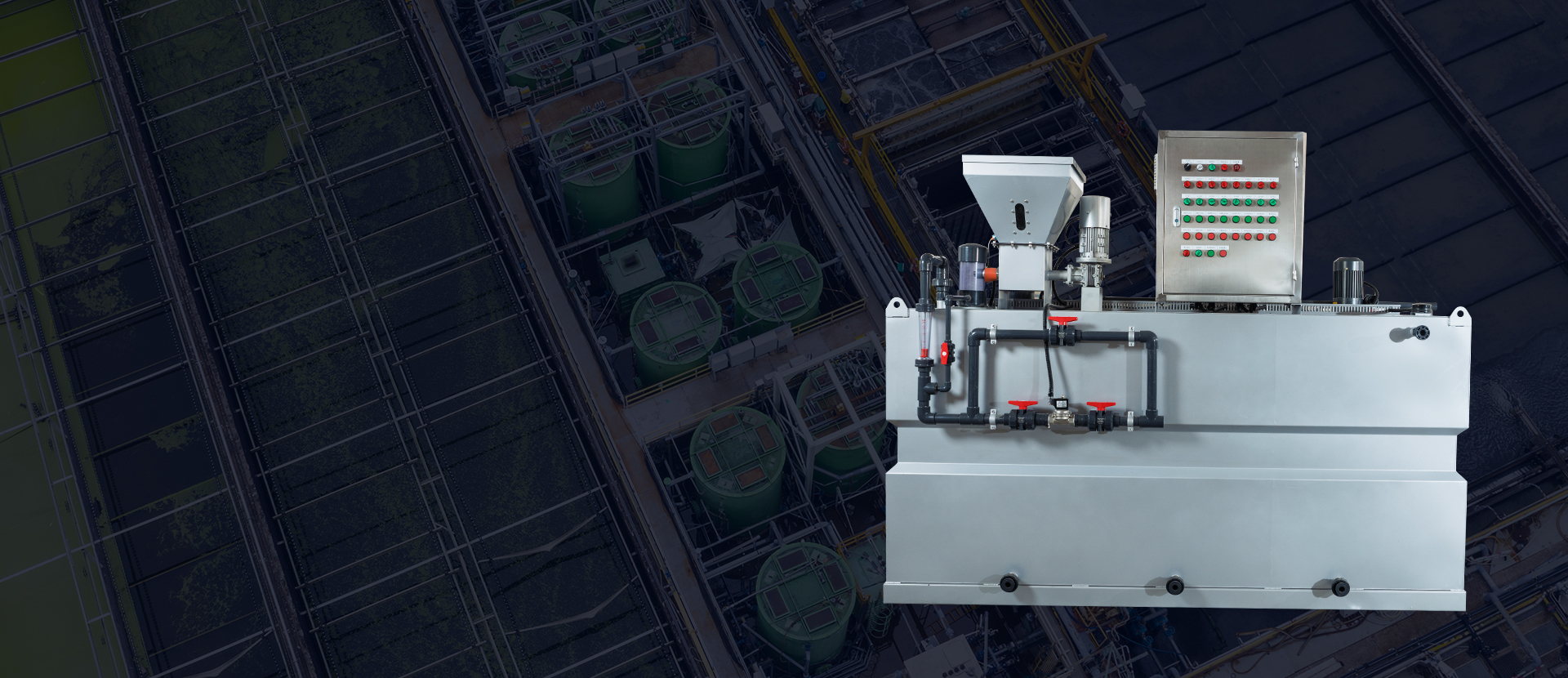
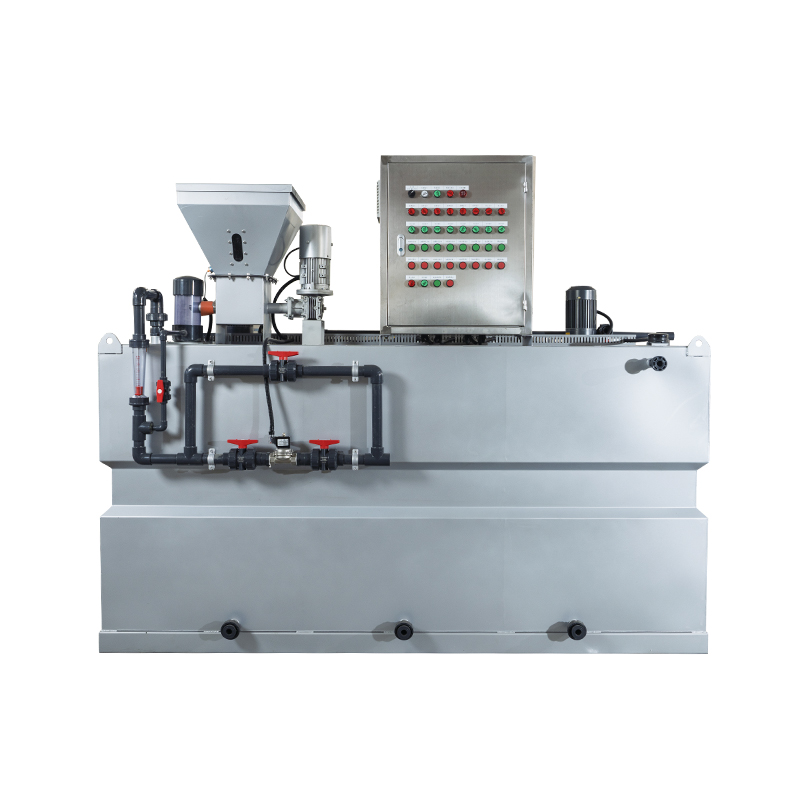
    The OJY fully automatic chemical dosing system is widely used as auxiliary equipment in municipal water treatment and sewage sludge processing. It continuously and efficiently performs polymer dissolution and mixing to produce a homogeneous active polymer solution.
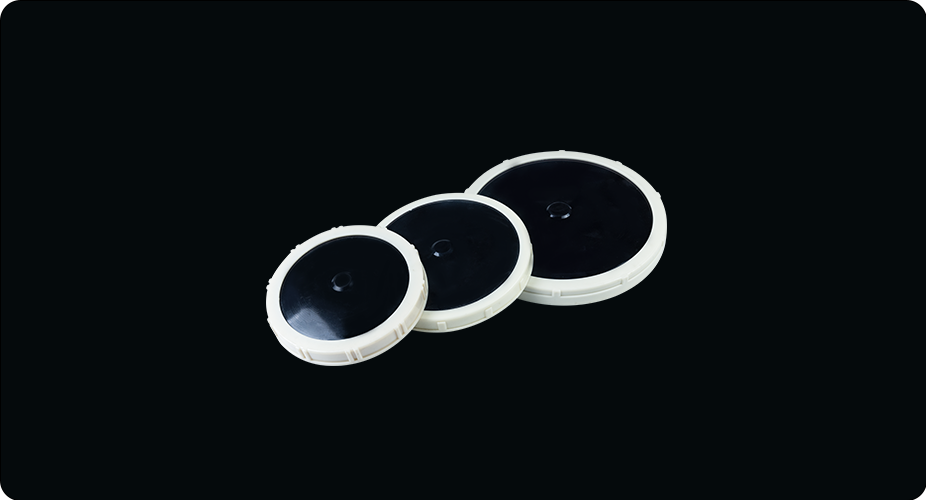
  • Microporous Aerator
    Microporous Aerator
    Diaphragm-type microporous aerators are a new type of aeration device developed in the 1980s. This device produces small-diameter aeration bubbles with a small gas-liquid interface diameter, resulting in a large gas-liquid interface area. Bubbles diffuse uniformly, preventing orifice clogging, and exhibit strong corrosion resistance. Oxygenation tests in both clean water and wastewater were conducted by the School of Environmental Engineering at Tongji University and the China Municipal Engineering North China Design Institute. Over a decade of use by more than 100 customers has demonstrated excellent performance (reducing energy consumption by 40% or increasing wastewater treatment capacity by 40% compared to conventional fixed spiral aerators, diffuser aerators, and perforated pipe aerators). Particularly suitable for new construction, expansion, and retrofitting of aeration tanks in municipal wastewater treatment and large industrial plants, with the capability for intermittent operation.
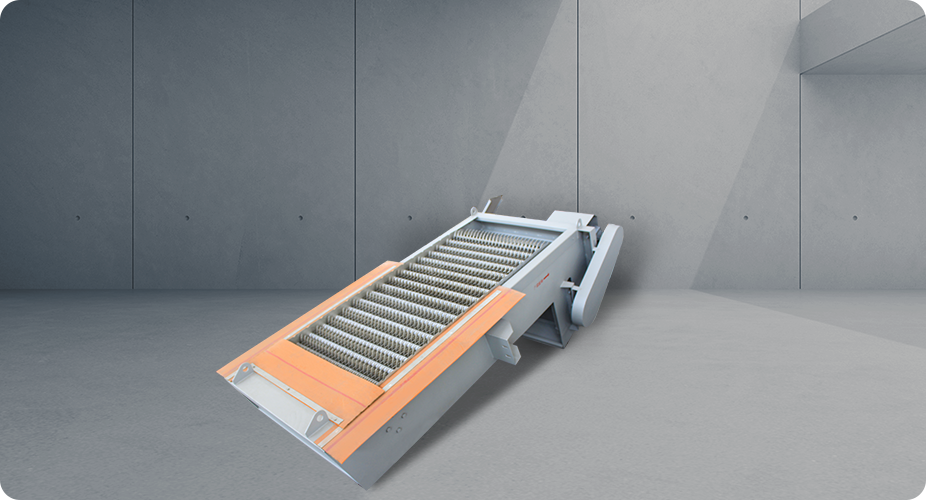
  • Rake-Tooth Bar Screen Machine
    Rake-Tooth Bar Screen Machine
    Rotary Screen Debris Remover, also known as Rotary Solid-Liquid Separator, is an advanced water treatment solid-liquid separation device. It is primarily used in pre-treatment units of municipal sewage treatment plants, municipal stormwater and sewage pumping stations, water supply plants, and cooling water intakes at power plants. This equipment is also widely employed in water treatment projects across various industries, including textiles, printing and dyeing, food processing, aquaculture, papermaking, slaughterhouses, and tanneries. It serves as an ideal solid-liquid separation solution in the water treatment industry.
  • External Inlet Drum Filter
    External Inlet Drum Filter
    This equipment can remove fine particles larger than 0.25mm in diameter from water, making it particularly suitable for wastewater treatment applications across various industries including papermaking, leather processing, slaughterhouses, brewing, food production, chemical fiber manufacturing, and textiles.
  • Internal Inlet Drum Filter
    Internal Inlet Drum Filter
    Rotary Microfilter (Internal Feed) is suitable for solid-liquid separation in industrial wastewater, capable of removing suspended particles larger than 0.2mm. Contaminated water is evenly distributed through a buffer inlet into the rotating mesh cylinder. Retained contaminants are discharged from the opposite end via the rotation of the cylinder and internal sludge-conveying spiral, while filtered water exits through the mesh gaps.The rotary microfilter utilizes filtration principles to recover fibers, large particles, or suspended solids from wastewater. Employing a 0.5-3mm gap filtration process, it represents a mechanical filtration method suitable for maximally separating minute suspended solids present in liquids. Achieving solid-liquid separation, microfiltration differs from other methods by employing an exceptionally fine-pore filtration medium. Leveraging centrifugal force generated by the rotating screen, it maintains high flow rates with low hydraulic resistance while capturing suspended solids, achieving removal efficiencies as high as 90%.
  • Screw Press Sludge Dewatering Machine
    Screw Press Sludge Dewatering Machine
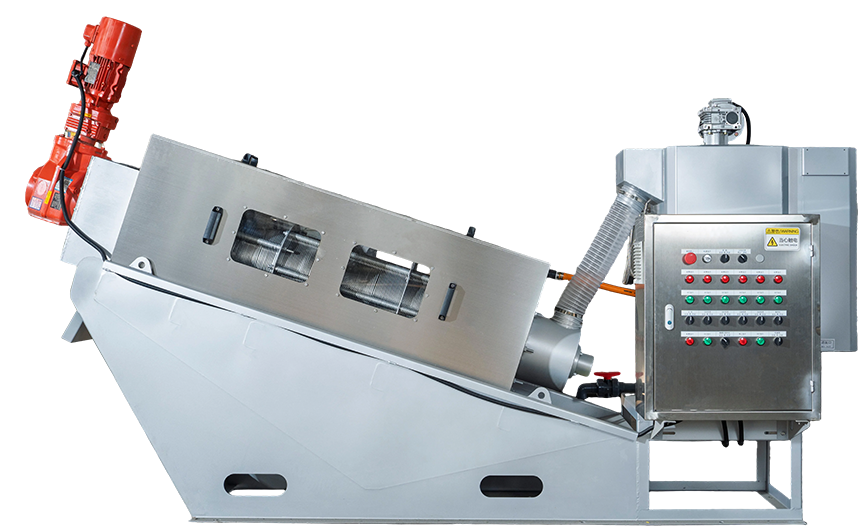
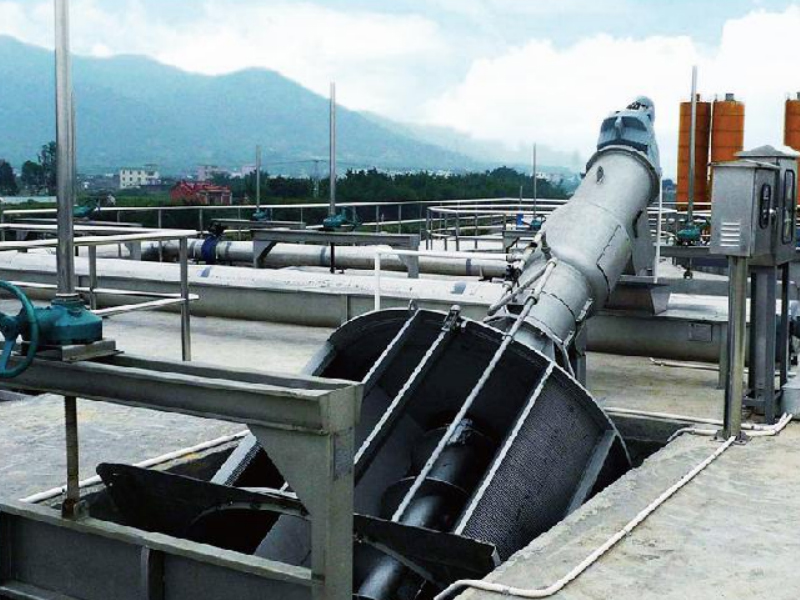
    During operation, sludge enters the filter cylinder through the feed inlet and is propelled toward the discharge outlet by the spiral shaft blades. As the pitch between the spiral shaft blades gradually decreases, the pressure exerted on the sludge continuously increases. Under this pressure differential, dewatering commences, with moisture draining through the filtration gaps between the fixed ring and movable ring blades. Simultaneously, the equipment relies on the self-cleaning function between the fixed plate and movable plate to sweep the filtration gaps, preventing clogging. After thorough dewatering, the sludge cake is discharged through the discharge port by the propulsion of the screw shaft. Based on different sludge properties, our company has developed specialized machines featuring more practical structures and lower operating costs.
  • MBBR Packing
    MBBR Packing
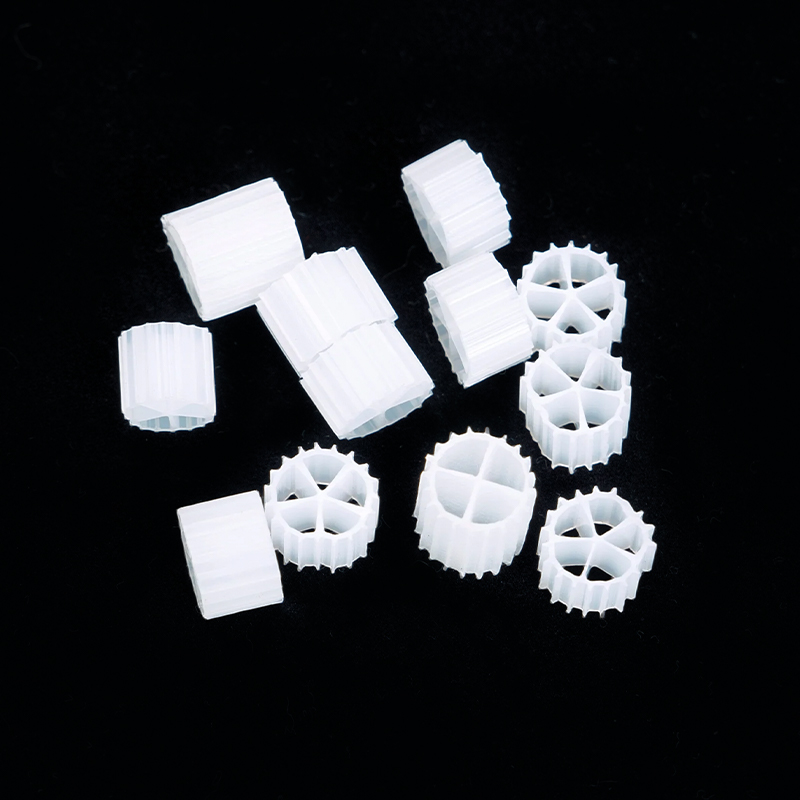
    Fluidized bed carriers, also known as MBBR carriers, represent a novel, highly efficient biofilm reactor developed in recent years based on biological contact oxidation and activated sludge processes. They feature strong load resistance, high treatment efficiency, extended sludge retention time, minimal surplus sludge generation, excellent nitrogen and phosphorus removal, and resistance to sludge bulking.The suspended media—core components of the Moving Bed Biofilm Reactor (MBBR) process—must possess: - Large specific surface area to enhance biomass accumulation - Optimal conditions for biofilm growth with short attachment cycles - Appropriate water and air channels facilitating biofilm formation and detachment - Low specific gravity after biofilm attachment for easy fluidization - Extended service lifeActive biological media (YL-1, YL-II, YL-III) represent a novel active biological carrier. Formulated with a scientific blend, it integrates multiple trace elements beneficial for rapid microbial attachment and growth within polymeric materials, tailored to the adaptive characteristics of different microbial populations. These media are engineered through specialized modification and construction processes. Its advantages include: excellent hydrophilicity for rapid biofilm formation, large specific surface area with high biomass, appropriate specific gravity for effective fluidization, high oxygen utilization efficiency, and extended service life.
  • Honeycomb Inclined Tube Packing
    Honeycomb Inclined Tube Packing
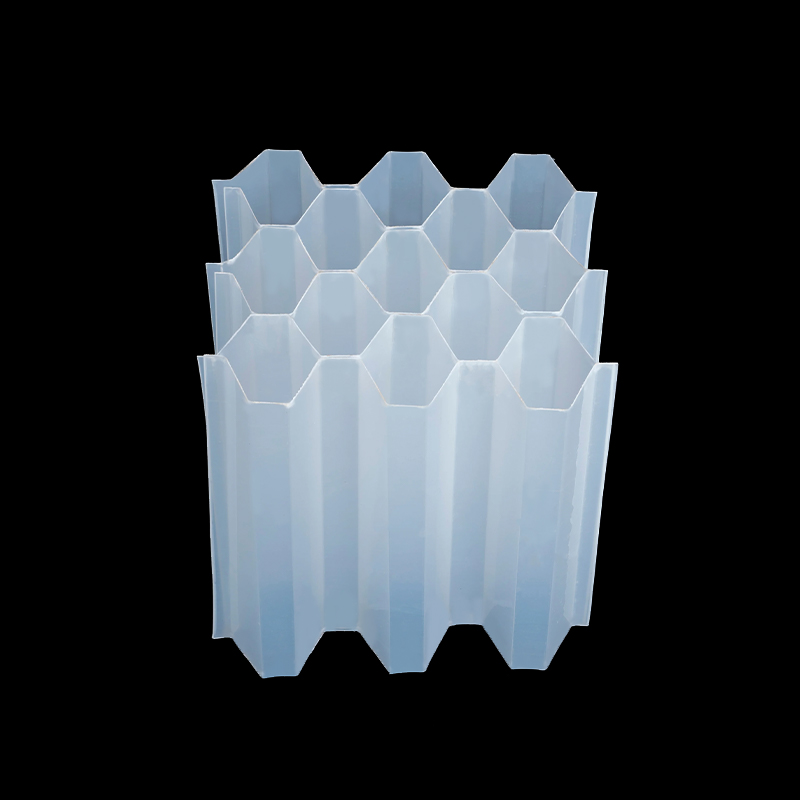
    Honeycomb packing materials are categorized by material into three types: ethylene-propylene copolymer, polyvinyl chloride, and fiberglass reinforced plastic. Honeycomb fillers are primarily used for sedimentation and desanding applications. Over the past decade, they have gained widespread adoption in water supply and drainage projects, establishing themselves as a standard water treatment component. They offer broad applicability, high treatment efficiency, and a compact footprint. Suitable for desanding at intake points, they handle sedimentation in industrial and domestic water supply systems, wastewater sedimentation, oil separation, and tailings concentration. They are applicable for new construction projects and retrofitting existing tanks.
Yixing Hengye Environmental Protection Technology Co., Ltd. CONTAC US
Complete Wastewater Systems
Hengye provides full-process turnkey solutions covering screening, air flotation, biological treatment, and dewatering.
Yixing Hengye Environmental Protection Technology Co., Ltd.
Yixing Hengye Environmental Protection Technology Co., Ltd. ABOUT HENGYE
Professional Manufacturer of Wastewater Treatment Equipment

Hengye

is dedicated to developing and manufacturing high-performance wastewater treatment systems that combine precision engineering with sustainable design. Our self-developed equipment features high pollutant removal efficiency, easy maintenance, and long service life.
  • 0+
    Over 10 Years of Wastewater Treatment Solutions
Yixing Hengye Environmental Protection Technology Co., Ltd.
Yixing Hengye Environmental Protection Technology Co., Ltd. Yixing Hengye Environmental Protection Technology Co., Ltd.

With a strong technical foundation and an ISO-certified quality system, Hengye helps clients across various industries enhance treatment efficiency, reduce operating costs, and meet global environmental standards.

  • Yixing Hengye Environmental Protection Technology Co., Ltd.
    Established in 2015
  • Yixing Hengye Environmental Protection Technology Co., Ltd.
    Certified Under ISO 9001 Quality Management System
  • Yixing Hengye Environmental Protection Technology Co., Ltd.
    Engaged in in-depth Collaborations with Multiple Academic Institutions
  • Yixing Hengye Environmental Protection Technology Co., Ltd.
    Professional Environmental Equipment Manufacturing Team
VIEW MORE
Yixing Hengye Environmental Protection Technology Co., Ltd. OUR STRENGTHS
A Trusted Supplier of Environmental Equipment
  • Innovation & Quality
    Yixing Hengye Environmental Protection Technology Co., Ltd. Yixing Hengye Environmental Protection Technology Co., Ltd. Yixing Hengye Environmental Protection Technology Co., Ltd. Yixing Hengye Environmental Protection Technology Co., Ltd. Yixing Hengye Environmental Protection Technology Co., Ltd.
    Using premium materials like SS304, SS316, 2205, and Q235, Hengye builds high-performance systems certified under ISO 9001, ISO 14001, and ISO 45001.
    Innovation & Quality
    Innovation & Quality
    STRENGTHS 01
  • Vision & Strategy
    Yixing Hengye Environmental Protection Technology Co., Ltd. Yixing Hengye Environmental Protection Technology Co., Ltd. Yixing Hengye Environmental Protection Technology Co., Ltd. Yixing Hengye Environmental Protection Technology Co., Ltd. Yixing Hengye Environmental Protection Technology Co., Ltd.
    With foresight and agility, Hengye captures market opportunities and delivers solutions aligned with future environmental needs.
    Vision & Strategy
    Vision & Strategy
    STRENGTHS 02
  • Expertise & Engineering
    Yixing Hengye Environmental Protection Technology Co., Ltd. Yixing Hengye Environmental Protection Technology Co., Ltd. Yixing Hengye Environmental Protection Technology Co., Ltd. Yixing Hengye Environmental Protection Technology Co., Ltd. Yixing Hengye Environmental Protection Technology Co., Ltd.
    Years of experience and a skilled team ensure seamless service from design to installation.
    Expertise & Engineering
    Expertise & Engineering
    STRENGTHS 03
  • Reputation & Reliability
    Yixing Hengye Environmental Protection Technology Co., Ltd. Yixing Hengye Environmental Protection Technology Co., Ltd. Yixing Hengye Environmental Protection Technology Co., Ltd. Yixing Hengye Environmental Protection Technology Co., Ltd. Yixing Hengye Environmental Protection Technology Co., Ltd.
    Patented technology, strict management, and integrity have earned Hengye lasting trust and strong partnerships.
    Reputation & Reliability
    Reputation & Reliability
    STRENGTHS 04
  • Innovation & Quality
  • Vision & Strategy
  • Expertise & Engineering
  • Reputation & Reliability
Yixing Hengye Environmental Protection Technology Co., Ltd. SUCCESSFUL PROJECTS
Delivering Results Across Industries and Borders
From industrial wastewater systems to municipal treatment facilities, Hengye has successfully completed numerous projects that demonstrate our engineering strength and commitment to sustainability.
VIEW MORE
  • Application
    Application
    Application
  • Application
    Application
    Application
  • Application
    Application
    Application
  • Application
    Application
    Application
  • Application
    Application
    Application
  • Application
    Application
    Application
Yixing Hengye Environmental Protection Technology Co., Ltd. LATEST NEWS
Learn More About Hengye's Latest News
VIEW MORE
  • 2026-01-15
    Efficient Impurity Removal and Precise Purification - Hengye Environmental Protection's Dissolved Air Flotation (DAF) Equipment Empowers Industrial Sewage Treatment
    The efficient removal of pollutants such as suspended particles and oil in industrial sewage is an important prerequisite for ensuring compliance with discharge standards and ecological safety. The Dissolved Air Flotation (DAF) equipment developed and produced by Yixing Hengye Environmental Protection Technology Co., Ltd. has outstanding performance in sewage treatment of chemical industry, printing industry, food processing industry and other industries with unique technical advantages, providing core equipment support for the green transformation of industrial enterprises. Dissolved Air Flotation technology injects dissolved gas into sewage to form micro-bubbles that adsorb pollutants and make them float up for separation. It has the characteristics of high treatment efficiency, small floor space and wide application range. Targeting the sewage characteristics of different industries, Hengye Environmental Protection has carried out customized design for Dissolved Air Flotation (DAF) equipment, optimized the air flotation system and separation device, greatly improved the bubble generation efficiency and pollutant adsorption capacity. It can effectively remove difficult-to-treat pollutants such as fine suspended particles and emulsified oil in sewage, and the effluent quality is stable and up to standard. Relying on the full-chain service system, Hengye Environmental Protection provides customers with one-stop services for Dissolved Air Flotation (DAF) equipment from scheme design, production and manufacturing to installation and commissioning. The equipment is produced in strict accordance with the ISO9001 quality management system standards, and the core components have undergone rigorous testing to ensure operational reliability and durability. Since being launched on the market, the equipment has served many enterprises and won wide praise from the industry with excellent treatment effect and intimate after-sales service. Facing the increasingly strict environmental protection requirements, Hengye Environmental Protection will continue to deepen the technological innovation of Dissolved Air Flotation, continuously improve equipment performance and intelligence level, provide efficient and energy-saving sewage purification solutions for more industries, and help build an ecologically friendly industrial system.
  • 2026-01-15
    Hengye Environmental Protection's Sludge Dewatering Machine Helps Industry Green Upgrade by Addressing Sludge Disposal Pain Points
    With the in-depth advancement of the national 2026 large-scale equipment renewal and green transformation policies, standardized disposal of industrial sludge has become a key link in environmental protection governance. Yixing Hengye Environmental Protection Technology Co., Ltd. (hereinafter referred to as "Hengye Environmental Protection"), which has deep experience in the sludge treatment field, has independently developed and produced sludge dewatering machines. With efficient and stable disposal capabilities, these machines accurately address industry pain points, providing high-quality sludge reduction solutions for many industries such as chemical industry, leather industry, and papermaking industry, helping enterprises achieve a win-win situation of environmental compliance and resource recycling. Industrial sludge has complex components and high water content, and improper disposal is likely to cause secondary pollution. Traditional dewatering equipment generally has problems such as low treatment efficiency, high energy consumption, and unstable operation. Relying on a professional R&D team, Hengye Environmental Protection has optimized the equipment structure according to the sludge characteristics of different industries. Its sludge dewatering machine adopts high-efficiency pressing technology, which can quickly reduce the water content of sludge and greatly improve the sludge reduction effect. At the same time, the equipment integrates an intelligent monitoring module, which can real-time grasp the operation status and reduce operation and maintenance costs. Cooperating with the enterprise's perfect installation and after-sales team, it ensures the stable operation of the equipment throughout its life cycle. As a high-tech environmental protection enterprise integrating R&D, design and manufacturing, Hengye Environmental Protection's sludge dewatering machines have passed multiple authoritative system certifications, and have gained recognition from environmental monitoring institutions and many customers with excellent quality. At present, the equipment has been widely used in various industrial enterprises and sewage treatment plants, effectively promoting the resource utilization of sludge and fulfilling the enterprise mission of "Let the world have lucid waters and lush mountains". In the future, Hengye Environmental Protection will continue to iterate technology, improve equipment environmental protection efficiency, and contribute to advancing the modernization of ecological environment governance.
  • 2026-01-15
    Gather Talents, Empower Development, and Grow Collaboratively - Hengye Environmental Protection Gathers Development Momentum with High-Quality Platform
    Talent is the key to enterprise development. Yixing Hengye Environmental Protection Technology Co., Ltd. has always adhered to the development concept of "Talent is the primary resource". By gathering high-quality talents in the industry, improving incentive mechanisms, and building growth platforms, it has created a professional and efficient core team, injecting a steady stream of vitality into the high-quality development of the enterprise. At Hengye Environmental Protection, a professional team composed of promising, experienced and ambitious individuals is thriving. The enterprise has accurately built three core teams: R&D, installation and production, clarified the functional positioning of each team, and formed an efficient work pattern of collaborative operations. The R&D team deeply engages in technological research to ensure that product iterations meet market demands; the installation team adheres to a professional and rigorous attitude to ensure the stable and efficient operation of equipment; the production team upholds the spirit of craftsmanship and strictly controls every process of product production. To stimulate team vitality, Hengye Environmental Protection has established a sound management system and a competitive incentive mechanism, deeply binding employee development with enterprise growth. The enterprise focuses on improving employees' comprehensive quality, provides all-round development space for employees through systematic training and diversified practical opportunities, and encourages employees to realize value improvement in their positions and create brilliance together with the enterprise. "An excellent team builds an excellent enterprise". Hengye Environmental Protection will continue to optimize the talent development environment, gather industry elites with a more open attitude, condense team synergy, and lay a solid talent foundation for the development of the environmental protection cause.
  • 2026-01-15
    Fulfill Green Mission, Build Lucid Waters and Lush Mountains Together - Hengye Environmental Protection Empowers Ecological Development with Sense of Responsibility
    "Let the world have lucid waters and lush mountains" - this mission engraved in the development course of Hengye is being transformed into vivid practices of ecological protection through various practical actions. As a high-tech environmental protection enterprise focusing on sewage treatment, Hengye has always closely integrated enterprise development with ecological protection, helping the restoration and healthy development of China's ecological environment with professional sewage treatment solutions, and has become a firm practitioner of lucid waters and lush mountains. Industrial sewage has complex components and great treatment difficulty, which is directly related to ecological environment security. Based on the pain points of the industry, Hengye has developed and produced various sewage treatment equipment in a targeted manner, which are widely used in many high-water-consumption and high-pollution industries such as chemical industry, leather industry, printing industry, plastic industry, papermaking industry and garment industry. By accurately matching the sewage characteristics of different industries and providing customized purification treatment solutions, it effectively reduces the impact of industrial sewage discharge on the environment, promotes the resource utilization of industrial wastewater, and achieves a win-win situation of economic and ecological benefits. Since its establishment, Hengye has always adhered to the concept of green development and integrated ecological responsibility into the whole process of enterprise operation. From focusing on improving environmental protection efficiency in product research and development to emphasizing energy conservation and emission reduction in the service process, every link demonstrates the enterprise's ecological responsibility. With solid environmental protection contributions, the enterprise has not only won market recognition, but also gained wide praise from the industry and society. Facing the future, Hengye will continue to shoulder its green mission, help build an ecologically friendly industrial system with higher-quality environmental protection equipment and services, and contribute corporate strength to the construction of ecological civilization.
  • 2026-01-15
    Focus Builds Reputation, Professionalism Wins Market - Hengye Environmental Protection Forges Industry Benchmark with Sincere Service
    Ten years of deep cultivation and unremitting efforts, ten years of word-of-mouth inheritance. Yixing Hengye Environmental Protection Technology Co., Ltd. has always adhered to the business philosophy of "Focus Builds Reputation, Professionalism Wins Market". With rigorous design concepts, high-quality product quality and efficient service system, it has won the recognition and trust of numerous customers and established a good brand image in the sewage treatment industry. Focus is the development background of Hengye. Since its establishment in 2015, the company has always focused on the core field of sewage treatment environmental protection equipment. Instead of blind expansion, it has concentrated on polishing products and services. Relying on its in-depth understanding and accurate grasp of the industry, it provides the most suitable sewage treatment solutions for customers in different industries. From the initial demand research and scheme design, to the mid-term product production, installation and commissioning, and then to the later after-sales maintenance, the company adheres to a rigorous and meticulous attitude throughout the process to ensure an efficient closed-loop service. Professionalism fosters competitiveness. With its full-chain service capabilities and solid technical strength, Hengye has served numerous industrial enterprise customers. Whether it is complex chemical sewage treatment or high-difficulty leather wastewater purification, the company can help customers achieve compliance discharge with professional solutions, winning wide praise from customers. The good industry reputation has also laid a solid foundation for the company's market development and promoted the steady development of the company. Facing new market opportunities and challenges, Hengye will continue to adhere to its business philosophy, and wholeheartedly provide high-quality services for more customers with professional and precise technology, full enthusiasm, diversified development goals and a win-win development trend, continuously writing a new chapter of industry word-of-mouth.