

 English
  русский
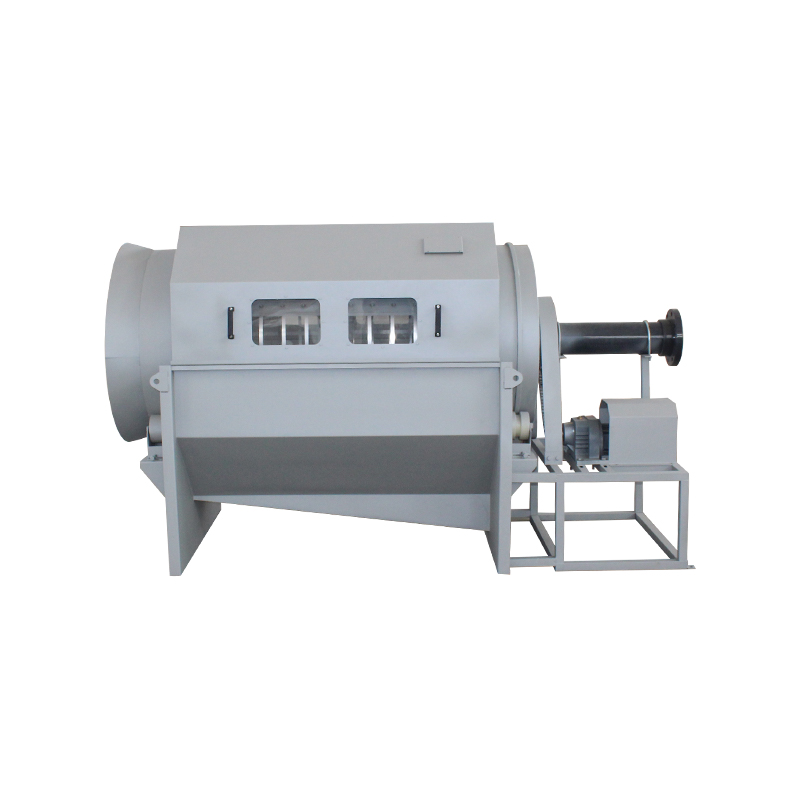
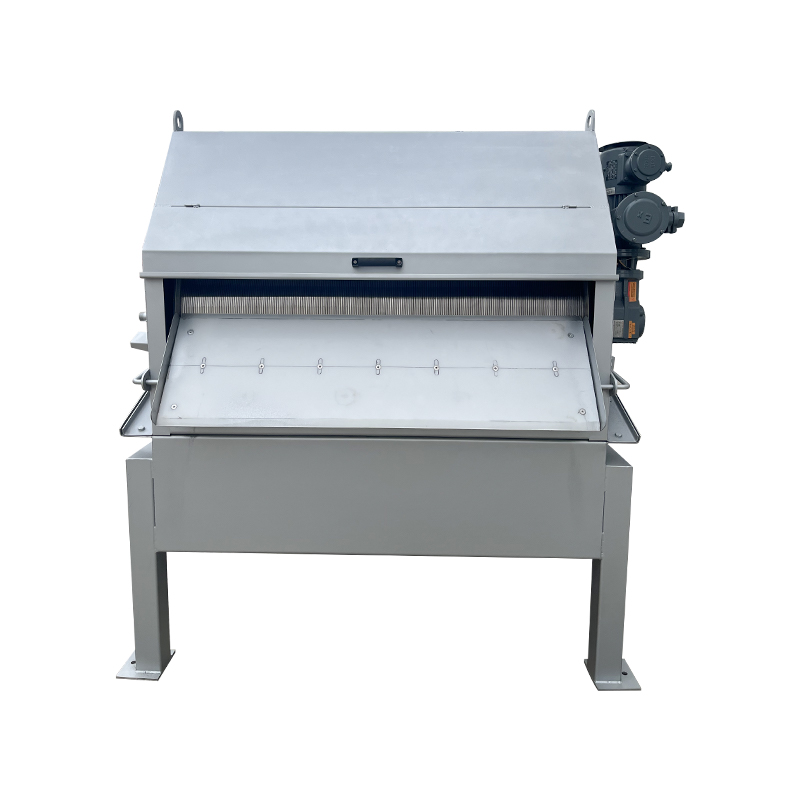
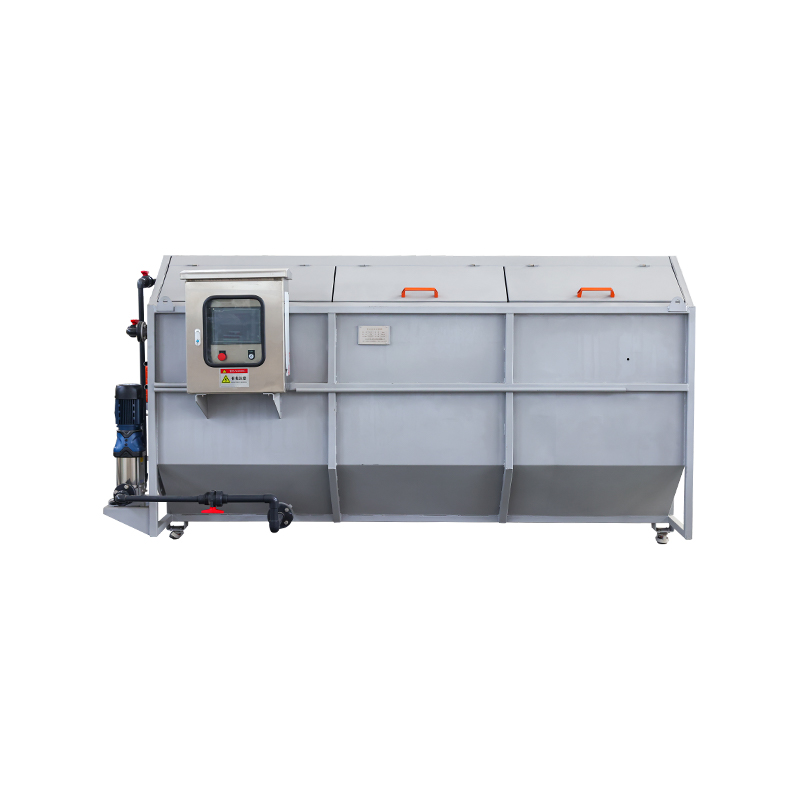
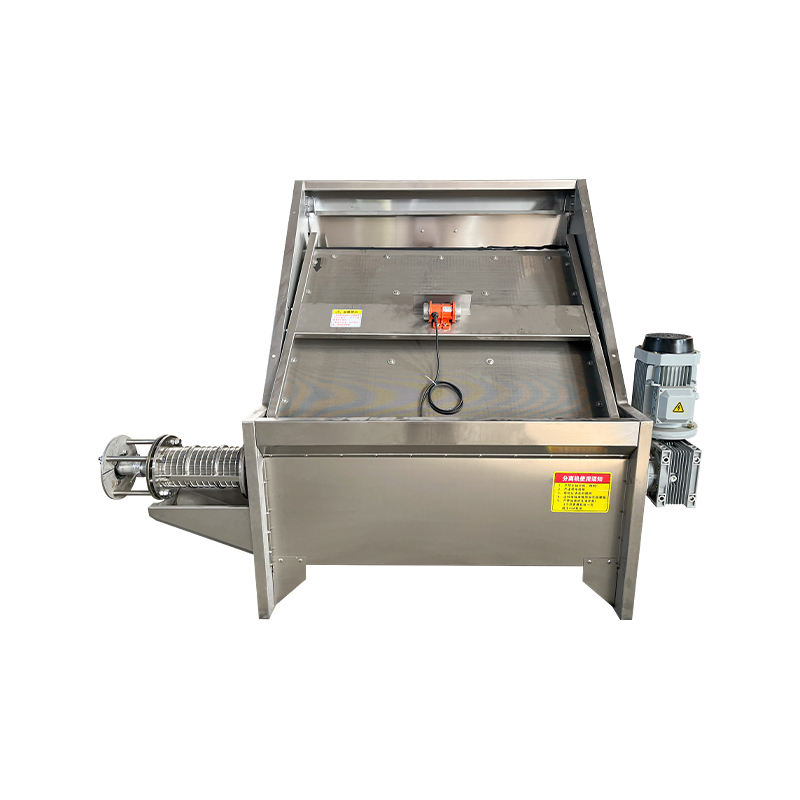
A microfiltration machine is a solid-liquid separation device that uses sieves or filter elements to trap suspended solids, colloidal particles, and other impurities in water; it falls under the category of physical filtration. Its core function is to remove suspended particles, fibers, algae, plankton, and other organisms with particle sizes ranging from 0.1 mm to tens of micrometers from water through mechanical sieving. It is commonly used in pretreatment or advanced treatment stages of water treatment, reducing the load on subsequent treatment processes and improving water quality.
Core Structure and Working Principle
·Key structure: Mainly composed of a rotating drum (or filter cartridge), screen/filter plate, drive unit, backwashing system , inlet and outlet water components, etc. The screen material is mostly stainless steel, and the aperture is designed according to the treatment requirements (usually 0.05mm to 0.5mm).
·Working principle: When sewage flows through the equipment, water is discharged through the screen mesh, and impurities are trapped on the screen surface; when impurities accumulate to a certain extent, they are removed by backwashing (such as water or air flushing) or mechanical scraping to ensure filtration efficiency.
Classification and characteristics
Based on differences in water flow direction and structure, microfilters are mainly divided into internal flow microfilters and external flow microfilters . A comparison of their characteristics is as follows:
|
Type |
Internal flow microfiltration machine |
External flow microfiltration machine |
|
Water flow direction |
Wastewater flows from the inside of the drum to the outside (inside to outside). |
Wastewater flows from the outside of the drum to the inside (outside to inside). |
|
Structural features |
The drum contains a spiral plate that collects impurities, and the filter element is a porous plate. |
The grid cylinder has a trapezoidal cross-section, providing strong anti-clogging capabilities. |
|
Backwashing method |
The water pump drives the filtered water to backwash the filter plates. |
Pressurized water backwashes away impurities trapped in the filter screen. |
|
performance advantages |
It features low head loss, energy efficiency, and a high degree of automation. |
Stainless steel is corrosion resistant, occupies little space, and produces slag with low moisture content. |
|
Applicable Scenarios |
Industrial wastewater treatment, tap water filtration, and advanced sewage treatment. |
Wastewater pretreatment in industries such as papermaking, leather making, and food processing. |
Application areas
·Municipal water treatment: raw water filtration at waterworks (removal of algae, water fleas, etc.), and pretreatment or advanced treatment of municipal sewage (reduction of suspended solids load).
·Industrial sector :
Textile, papermaking, and printing and dyeing industries: Removal of fibers, slurries, suspended solids, etc.
Food and brewing industries: filtering residues and colloidal substances;
Metallurgical and chemical industries: Solid-liquid separation before wastewater recycling;
Aquaculture: Purifying aquaculture water and removing impurities such as uneaten feed and feces.
As water treatment needs become more refined, microfiltration machines are developing towards higher efficiency and intelligence . For example, they can be combined with IoT technology to achieve real-time monitoring of operating status, or used in conjunction with other filtration technologies (such as membrane filtration) to improve the removal capacity of trace pollutants, while optimizing backwashing efficiency to reduce energy consumption.
-
0+Over 10 Years of Wastewater Treatment Solutions
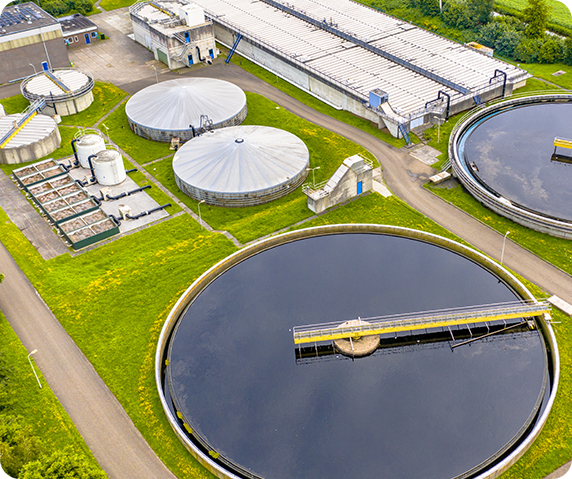


With a strong technical foundation and an ISO-certified quality system, Hengye helps clients across various industries enhance treatment efficiency, reduce operating costs, and meet global environmental standards.
-
Established in 2015

-
Certified Under ISO 9001 Quality Management System
-
Engaged in in-depth Collaborations with Multiple Academic Institutions
-
Professional Environmental Equipment Manufacturing Team
-
 2026-10-21
 -
2026-10-14
-
2026-10-07
-
2026-09-30
-
2026-09-23
Industry Knowledge
How Drum Filtration Works and Where It Fits in the Treatment Train
A drum filter operates on the principle of continuous rotary screening: wastewater flows either into the interior of a rotating cylindrical drum (inside-out flow) or against its outer surface (outside-in flow), passing through a fine filter media — typically stainless steel wedge wire, woven mesh, or polyester fabric — while retained solids accumulate on the surface and are mechanically removed by a backwash spray or scraper system.
Within a wastewater treatment train, drum filtration typically serves one of two roles. As a primary screening step, it intercepts coarse suspended solids before biological or chemical treatment stages, reducing organic loading and protecting downstream equipment from clogging. As a tertiary polishing step following secondary clarification, it removes residual suspended solids and floc carryover to achieve effluent quality targets that gravity settling alone cannot reliably meet.
The continuous self-cleaning operation is a defining advantage: unlike static screens or batch filter presses, drum filters maintain consistent hydraulic throughput without interruption for manual cleaning cycles. This makes them particularly well suited to facilities operating around the clock, where process continuity directly affects production output and compliance risk.
Filter Media Selection and Its Effect on Separation Performance
The filter media is the functional core of any microfiltration drum machine, and its specification directly governs both separation efficiency and operational lifespan. Aperture size, open area ratio, surface profile, and material composition must all be matched to the particle size distribution and chemical characteristics of the target wastewater stream.
Common media configurations and their typical applications include:
- Wedge wire screens (50–500 µm) — high mechanical strength, excellent resistance to abrasion and chemical attack; preferred for paper mill fiber recovery and aquaculture water recirculation
- Woven stainless steel mesh (10–200 µm) — finer particle capture; suited for pharmaceutical and food-grade effluent where hygiene standards apply
- Polyester filter fabric (10–100 µm) — lower cost replacement cycles; used in municipal tertiary treatment and textile dyeing wastewater polishing
- Perforated plate with bonded mesh (100–2000 µm) — heavy-duty primary screening; handles high solids loading in slaughterhouse and food processing wastewater
A frequently overlooked parameter is the open area ratio — the percentage of the drum surface that is permeable. Higher open area reduces headloss across the media and allows operation at lower drum submergence levels, extending the effective filtration zone per rotation. However, increasing open area at a fixed aperture size typically reduces mechanical strength, creating a design trade-off that must be resolved based on solids loading and expected media service life. Hengye Technology evaluates filter media specifications as part of its system design process, ensuring that aperture selection is validated against actual particle size data from the client's wastewater stream rather than assumed from industry benchmarks.
Backwash System Design: Balancing Cleaning Efficiency Against Water Consumption
The performance of a roller filter over time depends critically on the effectiveness of its backwash system. Insufficient backwash pressure or coverage allows solids to blind the filter media progressively, reducing hydraulic capacity and increasing the risk of media damage from differential pressure buildup. Excessive backwash, on the other hand, consumes significant volumes of clean water and increases the volume of reject stream requiring further treatment or disposal.
Modern drum filter backwash systems are designed around several key parameters:
- Nozzle geometry and spacing — fan-spray nozzles must provide full lateral coverage of the media width without overlap-induced pressure shadowing or under-cleaned zones between nozzles
- Operating pressure — typically 1.5–3.0 bar for most industrial mesh media; insufficient pressure on fine polyester fabric allows biofilm accumulation that progressively resists hydraulic cleaning
- Backwash water source — using treated effluent for backwash reduces freshwater consumption but requires filtrate quality sufficient to avoid re-contaminating the media surface
- Cleaning frequency trigger — level-differential or headloss-based automatic triggers are more reliable than timer-based systems, particularly for variable-load industrial applications
In wastewater streams with high oil content — common in garment factories using synthetic fiber lubricants or plastic processing plants — supplementary chemical cleaning cycles using alkaline detergents may be required at weekly or monthly intervals to remove hydrophobic fouling layers that hydraulic backwash alone cannot dislodge. Planning for chemical cleaning access points and chemical dosing connections at the design stage avoids costly retrofits later.
Sizing a Drum Filter: Key Design Inputs and Common Specification Errors
Drum filter sizing is governed by the hydraulic loading rate — the volume of wastewater processed per unit of submerged filter area per unit time — combined with the solids loading rate, which determines how quickly the media surface blinds between backwash cycles. Both parameters must be calculated at peak flow conditions, not average flow, to ensure the unit does not become a hydraulic bottleneck during high-load periods.
The most common sizing errors encountered in industrial installations include:
- Undersizing based on average daily flow — industrial wastewater generation is rarely uniform; batch discharge events from cleaning cycles or shift changes can produce instantaneous flows 3–5 times the daily average
- Ignoring temperature effects on viscosity — wastewater viscosity increases significantly at lower temperatures, reducing filtration flux and requiring larger drum area to maintain throughput in winter operating conditions
- Specifying aperture size without particle size data — selecting a nominal 100 µm screen without confirming that target solids are consistently larger than 100 µm results in persistent turbidity in the filtrate
- Omitting inlet flow distribution — uneven flow distribution across the drum width creates localized overloading zones that blind prematurely while leaving other sections underutilized
Correct sizing also requires specifying an appropriate drum submergence level — typically 60–75% of the drum diameter — to balance filtration area utilization against the risk of solids re-suspension from the backwash reject trough. At Yixing Hengye Environmental Protection Technology Co., Ltd., drum filter specifications are developed through a structured design review that incorporates site-measured flow data, particle characterization results, and effluent quality targets, ensuring that installed equipment performs reliably across the full range of operating conditions rather than only under ideal laboratory assumptions.
- Product Categories
- Sludge Dewatering Machine
- Roller Filter
- Dissolved Air Flotation Machine(DAF)
- Rotary Mechanical Bar
- Dosing Device
- Aerator
- Biological Packing Material
- Other Wastewater Treatment Equipment
- Contact Us
-
-
[email protected]

-
+86-13812201185

-
+86-13812201185

-
No. 20, Saite Road, Gaoyao Village, Gaocheng Town, Yixing City, Wuxi City, Jiangsu Province, China

-



