

 English
 русский

Total Suspended Solid (TSS) in Wastewater: Limits, Testing and Removal Methods
A failed effluent sample can idle a production line faster than a broken pump, and the parameter that usually trips first is total suspended solids (TSS): the particles larger than about 2 microns that stay suspended in water and get caught on a laboratory filter. Push 1,200 mg/L of tannery solids toward a clarifier sized for 300 mg/L, and the exceedance appears in the first composite sample rather than months later. Knowing what TSS measures, how the test works, and which equipment removes which particles turns that sample from a gamble into a controlled number.
Content
- 1 What Total Suspended Solids Actually Measure
- 2 How the Total Suspended Solid Test Works in the Lab
- 3 Typical TSS Levels by Industry and Permit Limits
- 4 What High TSS Does to Receiving Water and Equipment
- 5 Matching TSS Removal Equipment to Particle Size and Load
- 6 Captured Solids Do Not Disappear: Polishing and Sludge Costs
- 7 Total Suspended Solids: Frequently Asked Questions
What Total Suspended Solids Actually Measure
Total suspended solids measure the mass of particles in a water sample, not its clarity and not its chemistry. The number splits the solids in wastewater at a sharp boundary: particles larger than about 2 microns are suspended solids, while anything smaller slips through the filter and is counted separately.
That 2 micron line drives treatment design. Grit, silt, floc, fibers, and most organic matter sit above it and can be screened, settled, floated, or filtered out. Anything smaller passes through and is reported as total dissolved solids (TDS), which needs entirely different technology. That split is why a TSS problem and a TDS problem almost never share a solution.
Gravimetric: filter, dry, weigh. Reported in mg/L, slow but defensible, and the unit your permit is written in.
Optical: a sensor reads light scattering in nephelometric turbidity units (NTU), instantly and continuously, with no fixed conversion to mg/L because particle size, shape, and color all shift the ratio.
How the Total Suspended Solid Test Works in the Lab
The standard total suspended solid test is gravimetric: filter a measured volume, dry what the filter catches, weigh it. Reference methods such as Standard Methods 2540 D and US Environmental Protection Agency (EPA) Method 160.2 differ in minor details but share that logic, and laboratories report results directly in mg/L.
- Mix the sample and draw a measured volume: about 100 mL for a clean effluent, or only 10 to 25 mL for a strong industrial stream that would otherwise clog the filter.
- Pull the volume through a pre-weighed glass-fiber filter under vacuum, rinsing the container so every particle transfers.
- Dry the loaded filter at 103 to 105 C to constant mass, then cool it in a desiccator so it does not pull moisture back from the air.
- Weigh again and divide the mass gain in mg by the sample volume in L; the result is TSS in mg/L.
Typical TSS Levels by Industry and Permit Limits
Raw industrial wastewater routinely carries several times the suspended solids any permit allows, so the load, not the equipment brochure, decides the treatment train. Municipal sewage arrives at roughly 100 to 350 mg/L, several industrial streams run far higher, and permit writers still expect about 30 mg/L at the outfall.
| Wastewater source | Typical raw TSS (mg/L) | First-line removal route |
| Municipal sewage | 100-350 | Primary clarification |
| Textile dyeing | 100-500 | Coagulation with flotation or settling |
| Pulp and paper | 100-1,000 | Screening plus sedimentation |
| Food processing | 200-1,200 | Flotation, which also lifts fats and oils |
| Tannery | 500-2,000 | Coarse screening, coagulation, settling |
What High TSS Does to Receiving Water and Equipment
Excess suspended solids harm receiving water twice: once while suspended, and again after they settle. That double impact is why regulators treat TSS as a core permit parameter rather than a cosmetic one.
- Light blocking: suspended particles shade the water column, cut photosynthesis, and drag dissolved oxygen down with them.
- Piggyback pollution: phosphorus, heavy metals, and pathogens bind to fine particles, so solids carry pollutants you cannot see on a test strip.
- Bed smothering: settled solids blanket spawning gravels and streambed habitats, choking insect and fish life.
- Plant-side wear: high TSS abrades pump impellers, clogs heat exchangers and nozzles, and inflates the sludge volume you pay to haul.
Matching TSS Removal Equipment to Particle Size and Load
TSS removal becomes predictable when equipment is matched to particle size, density, and load instead of buying one machine and hoping. Screens protect what follows, settling and flotation do the bulk removal, and fine filtration polishes the result.
| Treatment stage | Typical TSS performance | Best suited for |
| Rotary mechanical bar screens | Captures coarse solids; protects pumps | Inlet protection, rags and grit-sized debris |
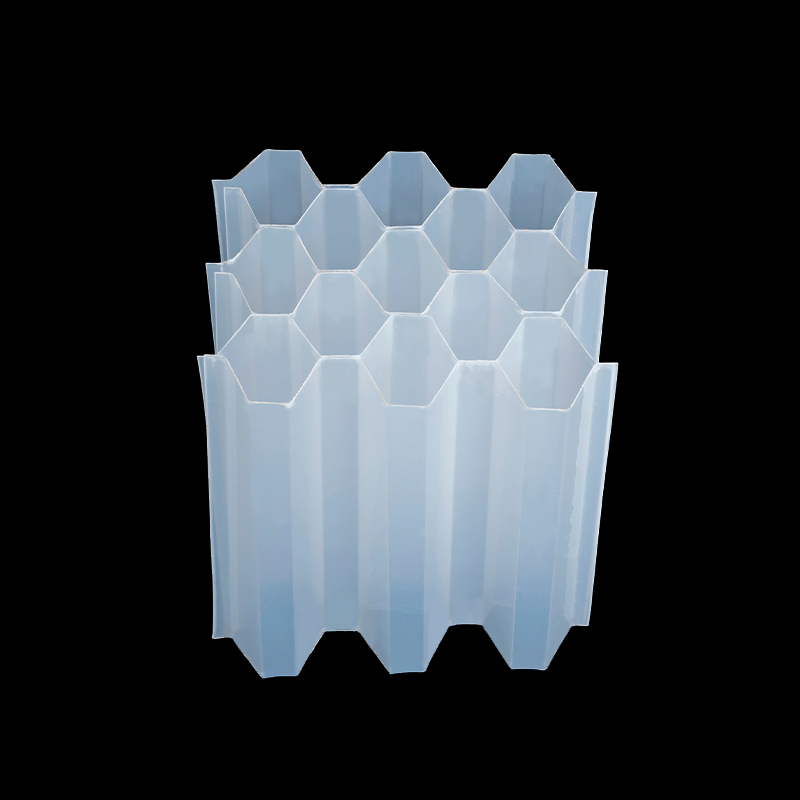
| Inclined tube sedimentation | 50-90% of TSS with coagulation | Dense, settleable solids at high flow |
| Dissolved air flotation | 85-95% of suspended solids with chemicals | Fine solids, oils, fats, low-density particles |
| Micro drum filtration | Polishes down to screen openings near 10-40 microns | Final polish and water reuse loops |
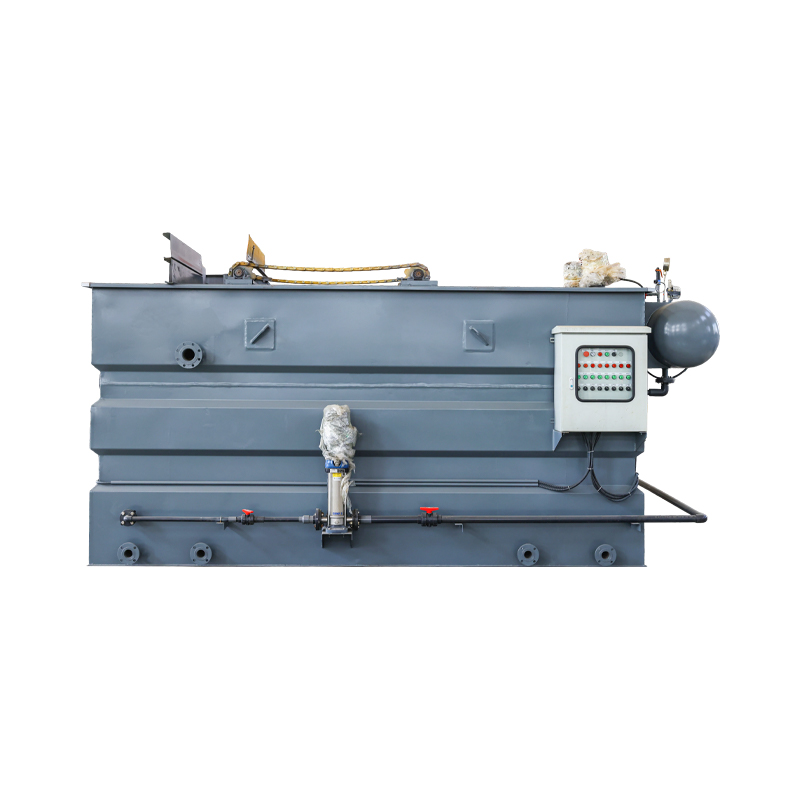
Flotation earns its place wherever solids are light or oily. A DAF unit releases microbubbles that attach to chemical floc and float it off within minutes, which is why food, tannery, and printing plants lean on it; for sizing and chemistry, this dissolved air flotation system design guide walks through the pump and recycle loop choices.
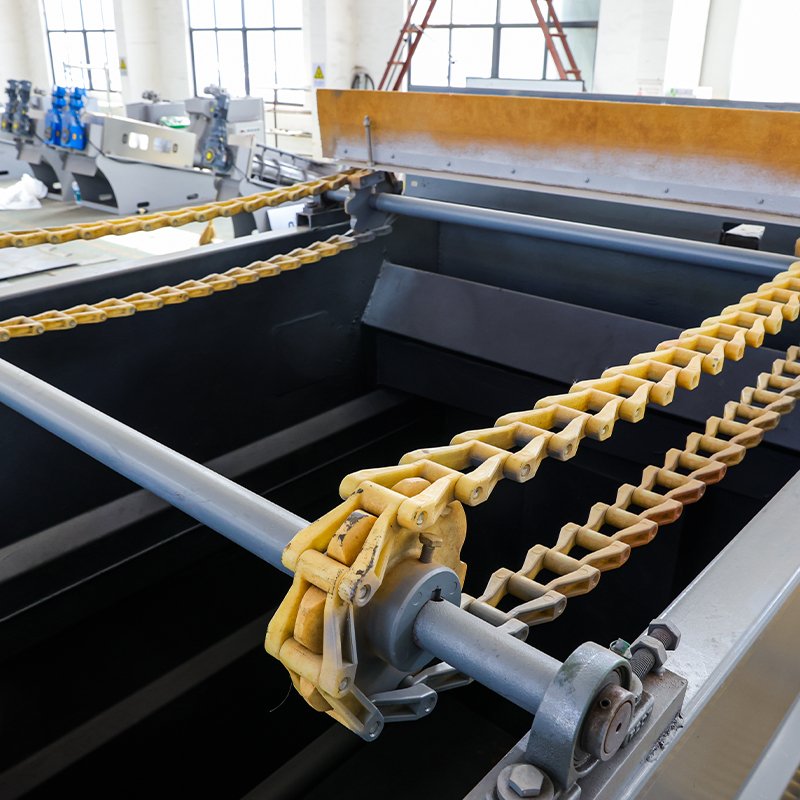 Dissolved Air Flotation Machine for Light Solids and Oily WastewaterMicrobubbles attach to chemically formed floc and float it off within minutes, making DAF a strong choice for light or oily solids in food, tannery, and printing plant wastewater, with integrated, automated operation.View Product →
Gravity still wins for dense particles at high flow. An inclined tube pack multiplies effective settling area in a small footprint, holding removal in the 50 to 90 percent band once coagulants have aggregated the fines into settleable clusters.
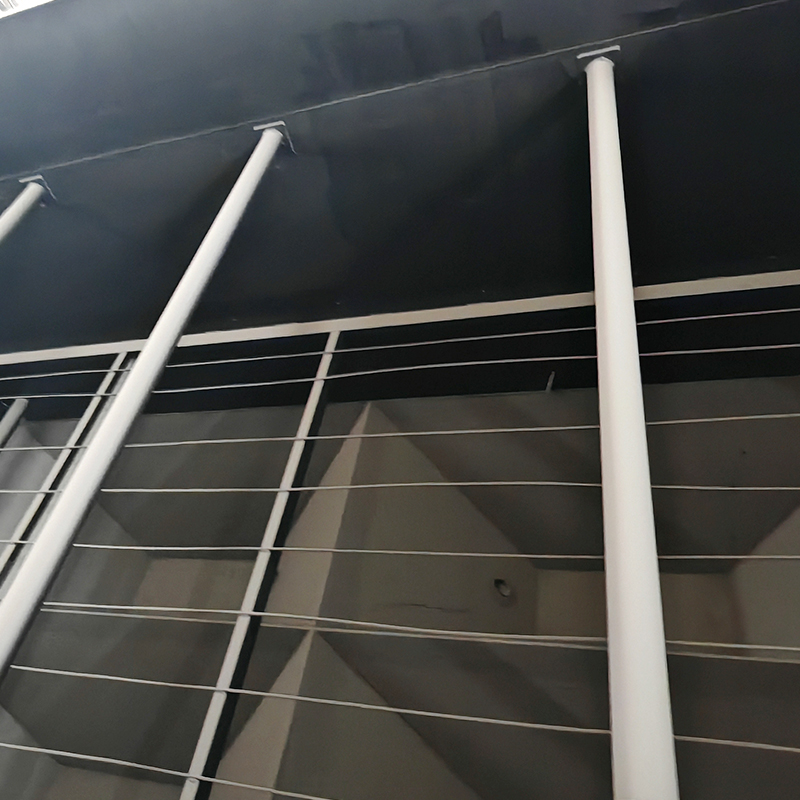 Inclined Tube Sedimentation Tank for High-Rate Gravity SettlingBy multiplying effective settling area in a small footprint, an inclined tube pack holds TSS removal roughly in the 50 to 90 percent range once coagulants have aggregated fine particles into settleable clusters at high flow.View Product →
Captured Solids Do Not Disappear: Polishing and Sludge Costs
Everything a clarifier, flotation cell, or filter removes leaves the water as sludge, and that sludge is mostly water. DAF float and clarifier underflow typically leave the process at 2 to 4 percent dry solids, so handling them well is the second half of TSS control.
 Micro Drum Filter for Fine Polishing Before DewateringWith 10–100μm stainless steel mesh and continuous backwash, this drum filter catches residual particles down to tens of microns ahead of a dewatering press, keeping final polish tight with low headloss.View Product →
Before solids reach a dewatering press, a fine filtration step keeps the polish tight. A micro drum filter with the right screen rating catches residual particles down to a few tens of microns and sweeps them into the sludge stream; the choice between drum filter types and working principles trades capture against headloss, so fix the mesh after measuring your particle distribution, not before.
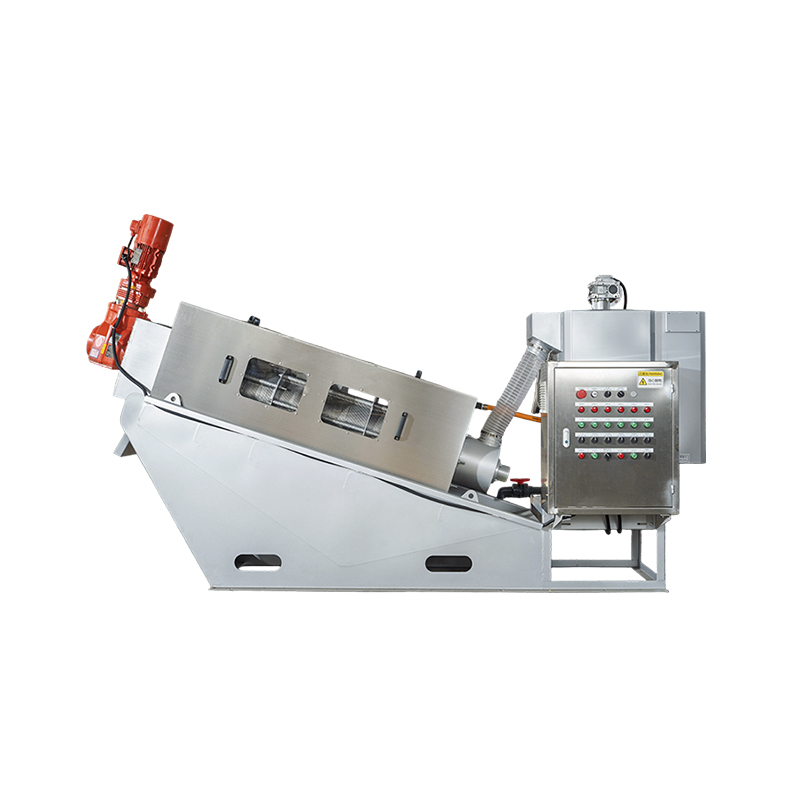
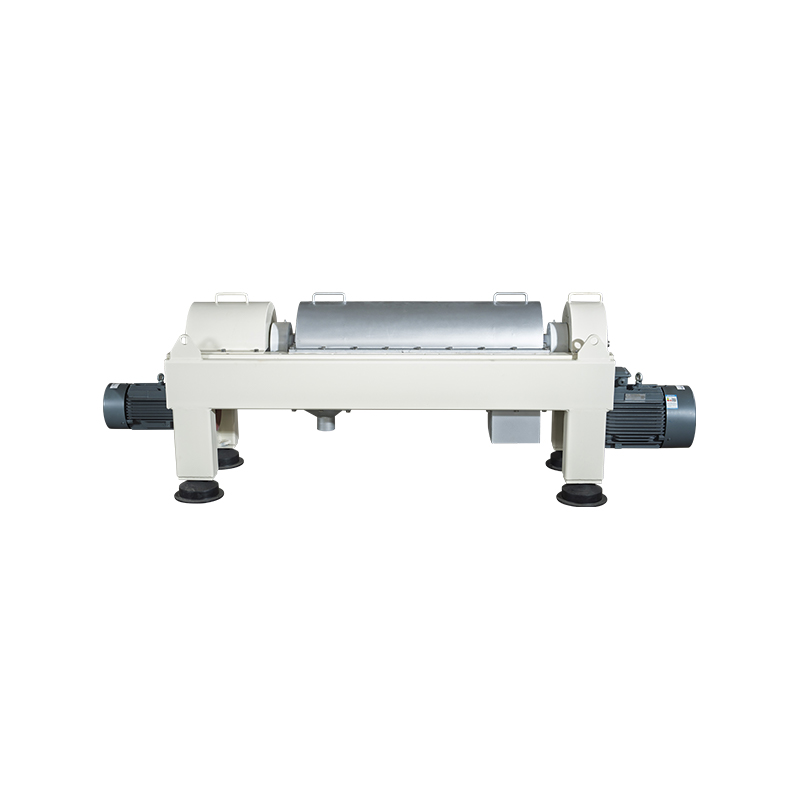
That arithmetic explains why dewatering choice matters: screw presses, belt filter presses, and decanter centrifuges each trade capital cost, polymer use, and cake dryness, and the right answer depends on sludge volume and disposal fees. Suppliers that cover the whole chain, such as Yixing Hengye Environmental Protection Technology Co., Ltd., which lists screening, flotation, settling, aeration, and dewatering equipment in one portfolio, make it easier to design capture and sludge handling as a single system instead of bolting stages together.
Total Suspended Solids: Frequently Asked Questions
What is the difference between TSS and TDS?
TSS counts the particles a glass-fiber filter retains, larger than about 2 microns, while total dissolved solids pass through that filter and are measured by evaporation. One test filters, the other evaporates, and both report in mg/L.
How often should TSS be tested?
Follow your permit first: monthly or quarterly composite samples are common requirements. Internally, a weekly composite plus continuous turbidity monitoring catches upsets between laboratory rounds.
What TSS level is safe to discharge?
The number written in your permit governs. The US secondary treatment benchmark is 30 mg/L as a 30-day average with 45 mg/L weekly and an 85 percent removal requirement, and many industrial permits land in the 25 to 50 mg/L range.
Why does my turbidity meter disagree with the lab TSS result?
They measure different things: NTU is optical scattering, mg/L is dry mass. Build a site-specific correlation by running paired samples, then use the meter as the daily proxy between lab rounds.
Let's Cooperate with Yixing Hengye Environmental Protection
Contact Us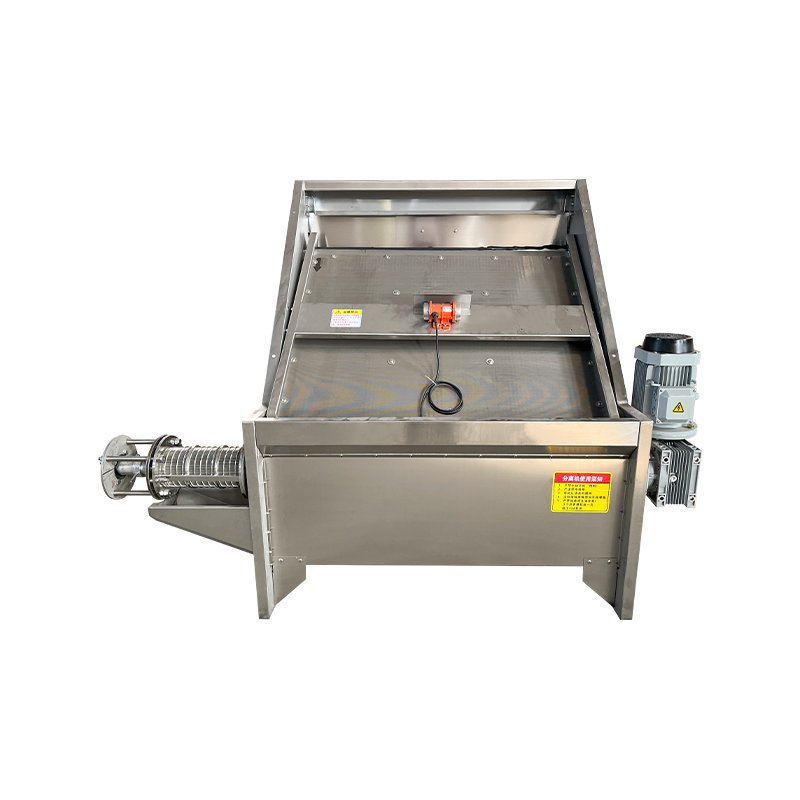
- Product Categories
- Sludge Dewatering Machine
- Roller Filter
- Dissolved Air Flotation Machine(DAF)
- Rotary Mechanical Bar
- Dosing Device
- Aerator
- Biological Packing Material
- Other Wastewater Treatment Equipment
- Contact Us
-
-
[email protected]

[email protected] -
+86-13812201185

-
+86-13812201185

-
No. 20, Saite Road, Gaoyao Village, Gaocheng Town, Yixing City, Wuxi City, Jiangsu Province, China

-



