

 English
  русский
Sludge Dewatering Machine: Why the Full System Matters
A Sludge Dewatering Machine only performs as well as everything feeding into it. Sludge feeding, polymer dosing, mixing, and cake handling shape the final result, often more than the machine's own nominal capacity does. This guide explains why the main machine is rarely the reason dewatering underperforms, and what to check across the process instead.
Fundamentals
Content
What a Sludge Dewatering Machine Actually Does
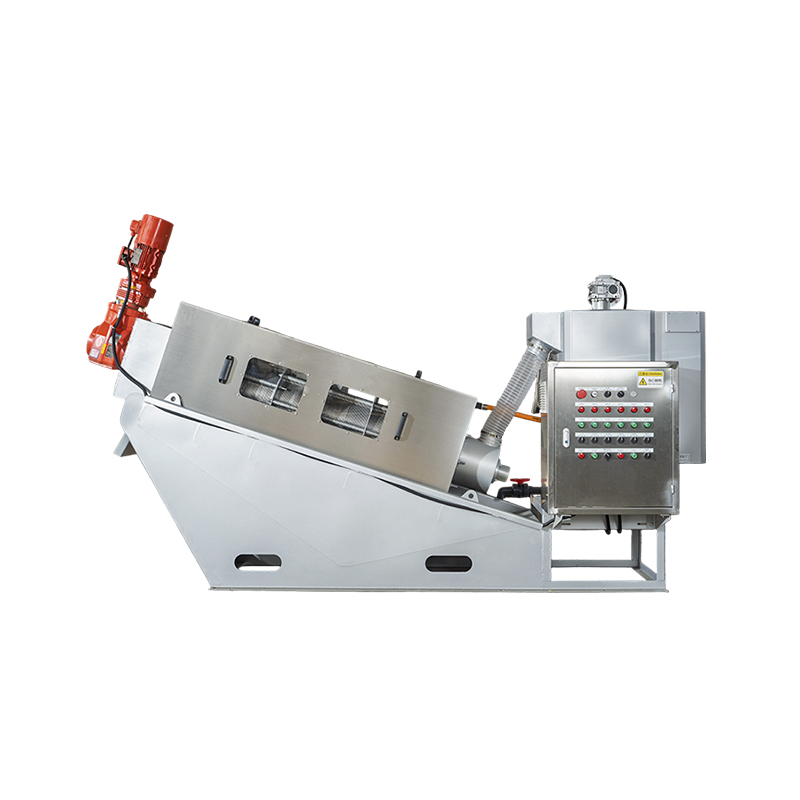
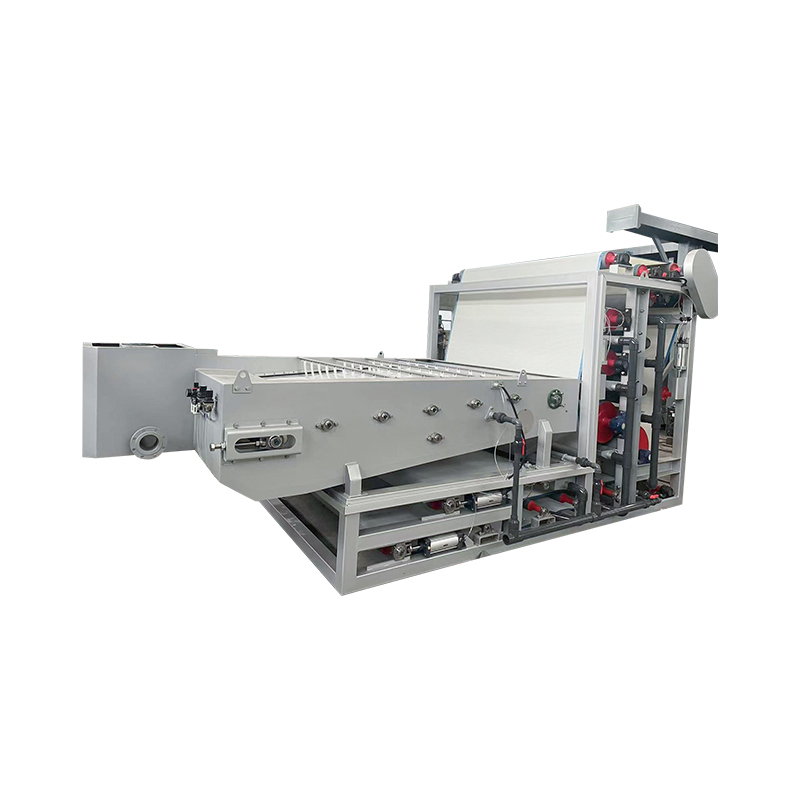
A sludge dewatering machine mechanically separates water from sludge solids, turning a dilute, low-concentration sludge into a manageable, transportable cake. Common technologies include the screw press, belt filter press, decanter centrifuge, filter press, and rotary drum systems, each applying mechanical, gravity, pressure, or centrifugal force to push water out of conditioned sludge.
Feed sludge is conditioned with polymer, mixed to promote flocculation, then pushed through the machine, where separated water leaves as filtrate or centrate and the remaining solids exit as cake.
System View
It's a System, Not Just a Machine
Sludge Feed
A feed pump matched to the machine's capacity and pressure requirement.
Polymer Dosing
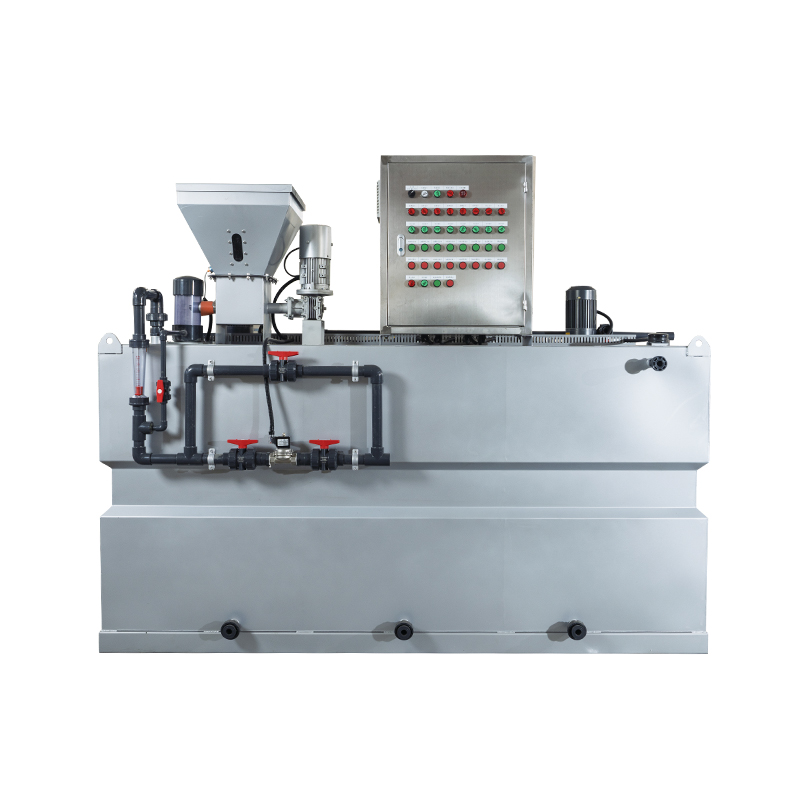
Polymer preparation, activation, and dilution ahead of injection.
Mixing
Contact time and intensity tuned to build strong flocs without shearing them.
Dewatering
The main machine separates water from the conditioned solids.
Cake & Filtrate
Cake conveying and filtrate return complete the cycle.
Don't evaluate a sludge dewatering machine as an isolated piece of equipment. Evaluate the complete dewatering process it sits inside.
Root Causes
What Actually Determines Dewatering Performance
- Sludge Characteristics
- Solids concentration, particle size, and organic content set the starting conditions; inconsistent feed sludge shows up directly as fluctuating cake dryness.
- Polymer Dosing
- Underdosing leaves sludge poorly flocculated and wet; overdosing raises cost without improving cake quality.
- Feed Matching
- A feed pump that overfeeds or underfeeds the machine undercuts dewatering efficiency regardless of machine quality.
- Mixing & Flocculation
- Too little contact time weakens flocs; too much shear breaks them apart before they reach the machine.
- Cake & Filtrate Handling
- Poor cake conveying or filtrate return can bottleneck a plant even when the machine itself is performing well.
Comparison
Machine vs Complete System
| Factor | Dewatering Machine Alone | Integrated System |
| Scope | Mechanical dewatering only | Feeding, dosing, mixing, dewatering, discharge |
| Polymer Control | Relies on external equipment | Preparation and dosing built in |
| Process Stability | Sensitive to upstream swings | Coordinated across the process |
| Operating Cost | Shaped by outside equipment | Optimized across the whole system |
Applications
Where These Systems Are Used
- Municipal WastewaterDewatering excess activated and primary sludge before disposal.
- Industrial WastewaterHandling sludge with variable characteristics across sectors.
- Food & BeverageReducing moisture in organic sludge from processing wastewater.
- Chemical & PharmaceuticalMatching materials to sludge with specific chemical properties.
- Pulp & PaperManaging fibrous, high-solids sludge from papermaking.
- Mining & MineralsDewatering high-solids slurries to improve water reuse.
Selection
How to Choose the Right System
- Confirm sludge type, feed solids concentration, and how much composition varies
- Calculate required throughput and set a realistic target cake solids content
- Test polymer type and dosage rather than assuming a generic figure
- Check that feed pump, mixer, and machine capacity are matched to each other
The strongest signal in a quote is whether the Sludge Dewatering Machine supplier can engineer and support the complete system, not just sell the main unit.
Outlook
Future Trends
Newer systems lean toward PLC-based automation with real-time polymer dosing adjustment, modular skid-mounted packages that speed up installation, and a growing focus on total energy and chemical efficiency rather than nominal machine capacity alone.
Frequently Asked Questions
Why is my cake still wet even though the machine is rated for higher solids?
Wet cake is more often caused by insufficient polymer dosing, poor mixing, or inconsistent feed sludge than by the machine itself.
Can I add polymer dosing later instead of buying it with the machine?
Yes, but a separately sourced dosing system needs to be carefully matched to the machine's flow and pressure requirements to avoid under- or over-dosing.
How much does sludge type affect equipment selection?
Significantly. Solids concentration, particle size, and organic content all influence which dewatering technology and configuration will perform best.
Is a complete system always better than buying a machine alone?
For most continuous operations, yes, since a matched system reduces the fluctuations and troubleshooting that come from mismatched external equipment.
 |
 |
Let's Cooperate with Yixing Hengye Environmental Protection
Contact Us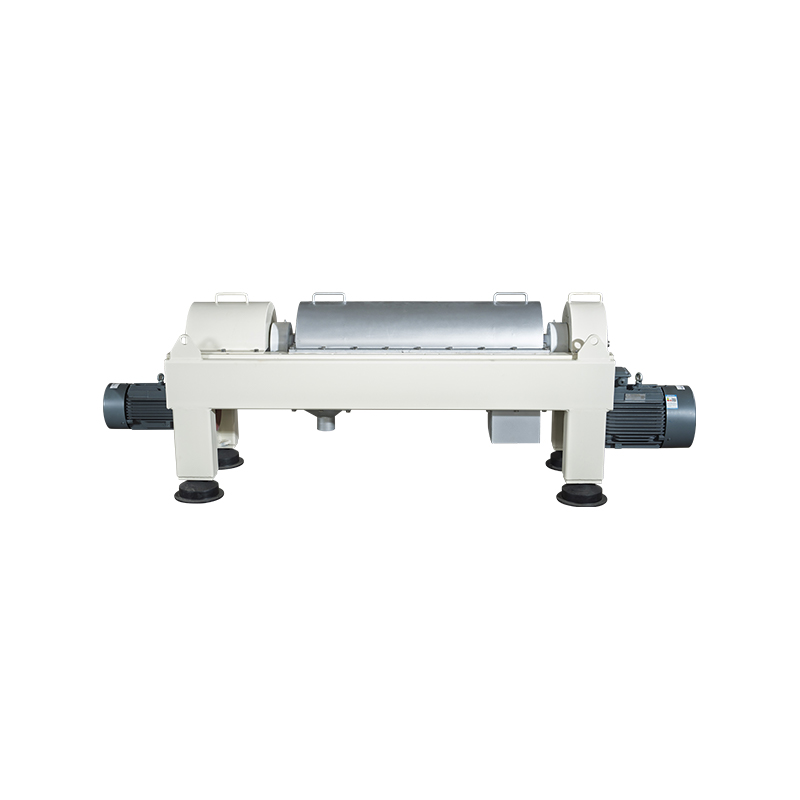
- Product Categories
- Sludge Dewatering Machine
- Roller Filter
- Dissolved Air Flotation Machine(DAF)
- Rotary Mechanical Bar
- Dosing Device
- Aerator
- Biological Packing Material
- Other Wastewater Treatment Equipment
- Contact Us
-
-
[email protected]

[email protected] -
+86-13812201185

-
+86-13812201185

-
No. 20, Saite Road, Gaoyao Village, Gaocheng Town, Yixing City, Wuxi City, Jiangsu Province, China

-



