

 English
  русский
Sludge Dewatering Machine: Methods, Centrifuge Working Principle & Industrial Guide
Content
- 1 What Is a Sludge Dewatering Machine?
- 2 Sludge Dewatering Methods: A Comparative Overview
- 3 How Does a Sludge Dewatering Centrifuge Work?
- 4 Dewatering Paint Sludge: Unique Challenges and Solutions
- 5 Solids Dewatering in Industrial Applications
- 6 What Happens to Dewatered Sludge?
- 7 Selecting the Right Sludge Dewatering Machine for Your Application
What Is a Sludge Dewatering Machine?
A sludge dewatering machine is industrial equipment designed to reduce the moisture content of sludge — the semi-solid byproduct of wastewater treatment, manufacturing processes, and other industrial operations. By separating water from solids, these machines significantly reduce sludge volume, lower disposal costs, and make the remaining material easier to transport, treat, or reuse.
The result of the process — dewatered sludge — typically has a dry solids content of 15% to 45%, depending on the method and feed material. Achieving higher dry solids content translates directly to lower hauling and landfill costs, fewer greenhouse gas emissions from transportation, and improved downstream processing efficiency.
Industries that rely on sludge dewatering machines include municipal wastewater treatment, food and beverage production, paper and pulp manufacturing, mining, metal finishing, and automotive painting operations.
Sludge Dewatering Methods: A Comparative Overview
There is no single universal solution for sludge dewatering. The right method depends on sludge composition, required output dryness, available footprint, energy budget, and regulatory requirements. The most widely used industrial sludge dewatering methods are:
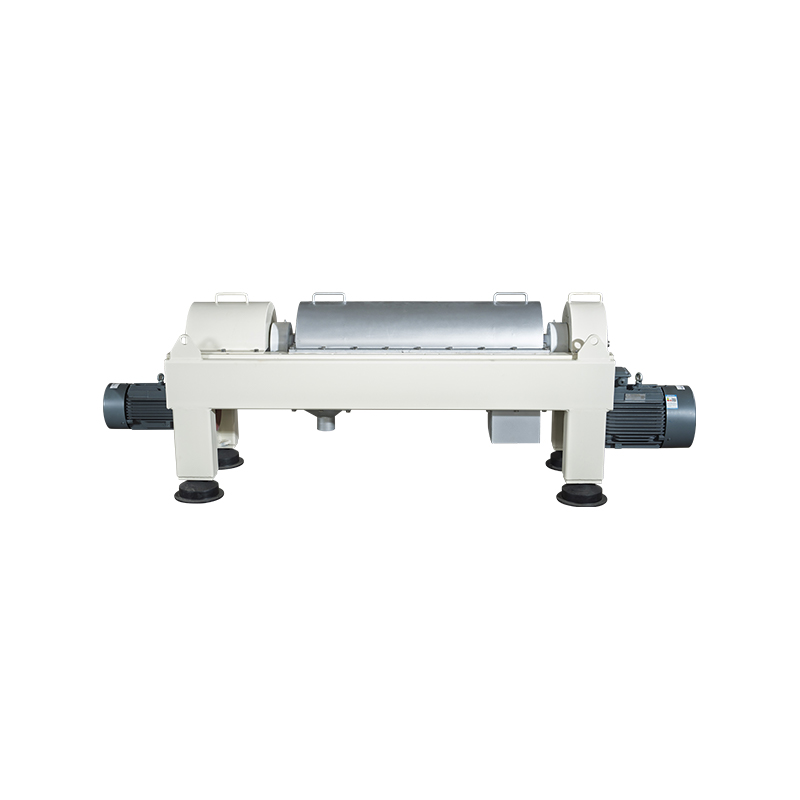
Centrifugal Dewatering
Decanter centrifuges use high rotational forces — typically 1,500 to 4,000 × g — to rapidly separate solids from liquid. They are continuous-feed machines well-suited for high-volume operations and can achieve cake dryness of 20–35% for most municipal and industrial sludges. Centrifuges are compact relative to their throughput and require minimal operator intervention.
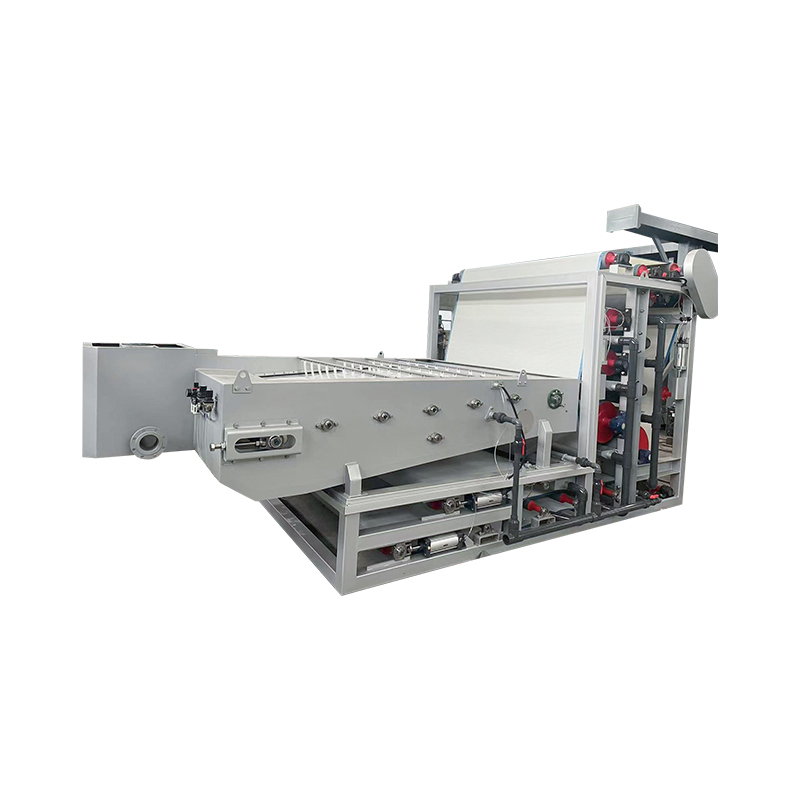
Belt Filter Press
Belt presses feed conditioned sludge between two tensioned porous belts, squeezing out water through gravity drainage and mechanical pressure. They are energy-efficient and well-established in municipal treatment plants, typically producing cakes in the 15–25% dry solids range. However, they require wash water for belt cleaning and demand regular maintenance of the belt media.
Screw Press
Screw presses use a slowly rotating helical screw inside a cylindrical screen to convey and compress sludge. They operate at low speeds (1–10 RPM), consume less energy than centrifuges, and are well-suited for fibrous or oily sludges. Output dryness typically ranges from 18–30%. Their enclosed design makes them popular for odor-sensitive applications.
Filter Press (Plate and Frame)
Filter presses operate in batch cycles, filling chambers between filter plates under high pressure (up to 15 bar or higher). They produce the driest cakes of all mechanical methods — 30–55% dry solids — making them ideal when minimizing sludge volume for landfill disposal is the top priority. The trade-off is batch operation and higher capital cost.
| Method | Cake Dryness (%DS) | Operation Mode | Energy Use | Best For |
|---|---|---|---|---|
| Decanter Centrifuge | 20–35% | Continuous | Medium–High | High throughput, compact footprint |
| Belt Filter Press | 15–25% | Continuous | Low | Municipal WWTP, biological sludge |
| Screw Press | 18–30% | Continuous | Very Low | Oily/fibrous sludge, odor control |
| Filter Press | 30–55% | Batch | Medium | Maximum dryness, landfill disposal |
How Does a Sludge Dewatering Centrifuge Work?
A sludge dewatering centrifuge — most commonly a horizontal decanter centrifuge — works by exploiting the difference in density between solid particles and water. Here is the step-by-step operating principle:
- Feed introduction: Conditioned sludge (often pre-treated with polymer flocculants) is pumped into the feed zone of the rotating bowl through a stationary inlet pipe.
- Centrifugal separation: The bowl rotates at high speed (typically 1,500–3,500 RPM), generating centrifugal forces many times greater than gravity. Denser solid particles migrate rapidly to the bowl wall, forming a compacted cake layer.
- Conveying: An internal helical screw conveyor (the scroll) rotates at a slightly different speed from the bowl (differential speed of 5–30 RPM). This differential drives the settled solids toward the conical "beach" end of the bowl for discharge.
- Liquid discharge: The clarified liquid phase (centrate) overflows at the opposite (cylindrical) end of the bowl through adjustable weir plates, which also control the pond depth and therefore the separation efficiency.
- Solids discharge: The dewatered cake exits through ports at the conical end as a semi-dry solid, ready for further treatment or disposal.
Key operating variables that affect performance include bowl speed, differential speed, polymer dosage, and feed rate. Modern centrifuges use variable-frequency drives (VFDs) to allow real-time adjustment of these parameters, enabling optimization for changing sludge characteristics.
The main advantage of centrifugal dewatering is its ability to handle large volumes in a compact, enclosed unit with minimal operator involvement. Its primary disadvantage is relatively high energy consumption — typically 0.5 to 2.0 kWh per cubic meter of sludge processed — compared to screw presses or belt filters.
Dewatering Paint Sludge: Unique Challenges and Solutions
Paint sludge is one of the most challenging materials in industrial sludge dewatering. Generated primarily by automotive, industrial coating, and furniture manufacturing facilities, paint sludge from wet spray booths contains a complex mixture of paint solids, resins, solvents, water, and coagulant chemicals — making it sticky, adhesive, and difficult to dewater using standard methods.
Key challenges in dewatering paint sludge include:
- High resin content that causes blinding and fouling of filter media in belt presses and filter presses
- Variable composition as paint types change during production shifts
- Hazardous classification in many jurisdictions, requiring careful handling and documentation
- Low specific gravity difference between paint solids and water, reducing centrifuge effectiveness for some formulations
The most effective approaches for dewatering paint sludge are screw presses and high-pressure filter presses, often preceded by chemical conditioning with specialized coagulants or detackifiers. A properly configured system can reduce paint sludge volume by 60–80%, dramatically cutting hazardous waste disposal costs. Some automotive plants have achieved payback periods of under 18 months on dewatering equipment investments through reduced disposal fees alone.
Solids Dewatering in Industrial Applications
Beyond municipal wastewater, solids dewatering plays a critical role across a wide range of industrial sectors. The requirements and constraints vary significantly by application:
Mining and Mineral Processing
Thickeners, vacuum belt filters, and hyperbaric disc filters are used to recover process water from tailings and concentrates. Achieving >80% solids by weight is common in modern concentrate filtration, enabling dry stack tailings storage and reducing water consumption in water-scarce regions.
Food and Beverage
Breweries, dairy plants, and vegetable processors generate organic-rich sludges with high biological activity. Screw presses and decanter centrifuges are favored for their ability to handle variable feed and produce cakes suitable for anaerobic digestion or agricultural land application.
Paper and Pulp
Paper mills generate both primary (fiber-rich) and secondary (biological) sludges. Primary sludge dewaters readily and can achieve 40–50% dry solids on a belt press; secondary sludge is more gelatinous and typically needs centrifugal dewatering supplemented with polymer conditioning.
Metal Finishing and Electroplating
These operations produce hydroxide-rich sludges with high heavy metal content. Filter presses are the dominant technology, delivering very dry cakes (35–50% DS) suitable for metal recovery or hazardous waste landfill. The high-pressure capability of filter presses is essential for these gelatinous, compressible solids.
What Happens to Dewatered Sludge?
The ultimate destination of dewatered sludge — often called "sludge cake" — depends on its composition, contamination level, and local regulations. Common disposal and reuse pathways include:
- Land application: Municipal biosolids that meet Class A or Class B pathogen reduction standards (EPA 503 in the US) can be applied to agricultural land as a soil amendment. This pathway is the most sustainable and cost-effective when feasible.
- Thermal drying and incineration: Further reducing moisture to below 10% via thermal dryers enables co-incineration in cement kilns or waste-to-energy plants, recovering calorific value.
- Landfill disposal: For hazardous or heavily contaminated sludges, engineered landfill remains the primary option. Higher cake dryness directly reduces landfill tipping fees and transportation costs.
- Composting: Organic sludges from food and paper industries can be co-composted with bulking agents to produce a marketable soil conditioner.
- Construction materials: Certain mineral-rich sludges from water treatment or mining can be incorporated into bricks, ceramics, or road base materials after appropriate testing and approval.
Regardless of disposal route, higher dewatering efficiency reduces overall lifecycle costs. Even a 5-percentage-point increase in cake dry solids content can reduce sludge volume — and associated transport and disposal costs — by 15–25%, depending on the baseline moisture level.
Selecting the Right Sludge Dewatering Machine for Your Application
Choosing the right sludge dewatering equipment requires a systematic evaluation of several factors:
- Sludge characterization: Conduct bench-scale or pilot tests on representative sludge samples. Key parameters include total solids content, particle size distribution, compressibility, filterability (specific resistance to filtration), and chemical oxygen demand (COD).
- Required output dryness: Define the target cake dry solids based on disposal requirements. Landfill regulations in many regions require a minimum of 25–30% DS before acceptance.
- Throughput: Size equipment based on peak sludge generation rates, not averages. Account for seasonal variations in biological sludge production.
- Footprint and installation constraints: Centrifuges and screw presses are compact; belt presses and filter presses require more floor space but may be more appropriate for certain sludge types.
- Total cost of ownership: Consider energy, polymer consumption, maintenance labor, media replacement (belts, filter cloths), and residuals disposal costs over a 10–15 year period, not just capital cost.
- Regulatory compliance: Ensure the selected technology and operating conditions satisfy local discharge permits for centrate/filtrate quality as well as sludge classification requirements for the intended disposal route.
For complex or mixed sludge streams, hybrid systems — such as a centrifuge pre-thickener followed by a filter press for final dewatering — can deliver performance levels unachievable by any single technology alone, particularly where target cake dryness exceeds 40% DS.
Let's Cooperate with Yixing Hengye Environmental Protection
Contact Us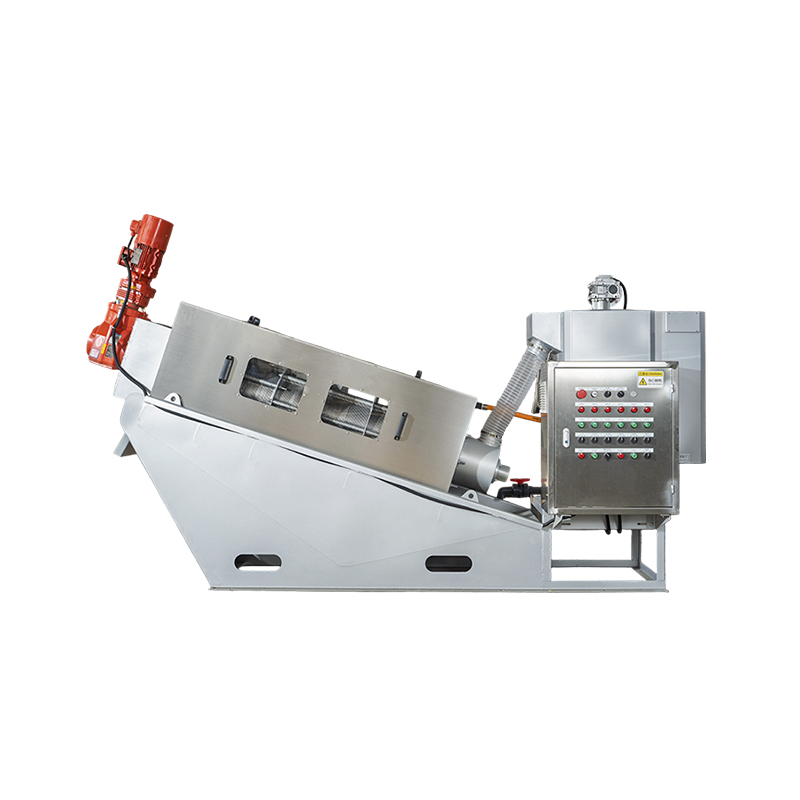
- Product Categories
- Sludge Dewatering Machine
- Roller Filter
- Dissolved Air Flotation Machine(DAF)
- Rotary Mechanical Bar
- Dosing Device
- Aerator
- Biological Packing Material
- Other Wastewater Treatment Equipment
- Contact Us
-
-
[email protected]

[email protected] -
+86-13812201185

-
+86-13812201185

-
No. 20, Saite Road, Gaoyao Village, Gaocheng Town, Yixing City, Wuxi City, Jiangsu Province, China

-



