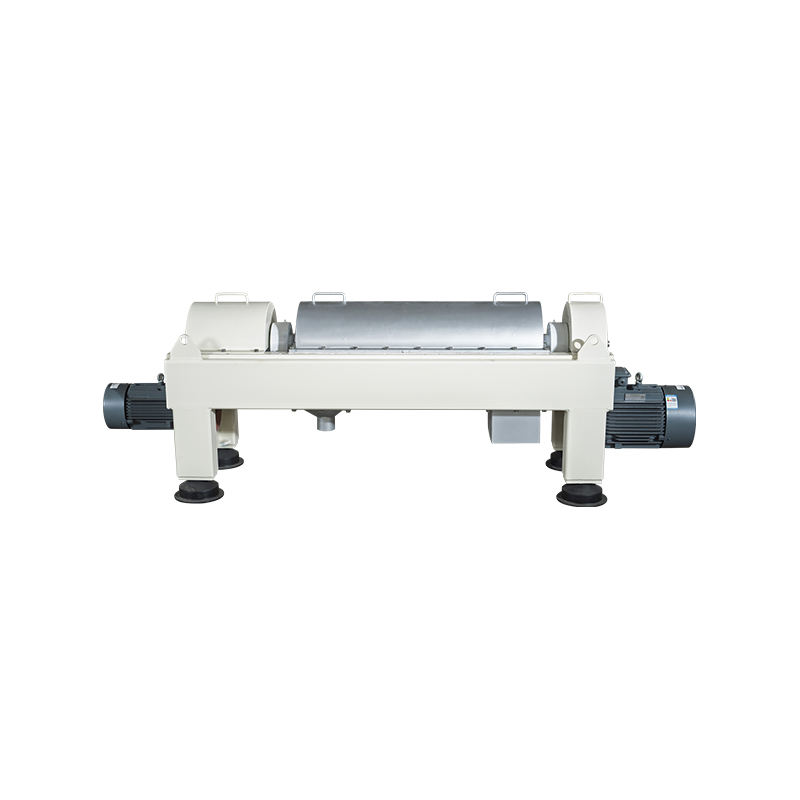
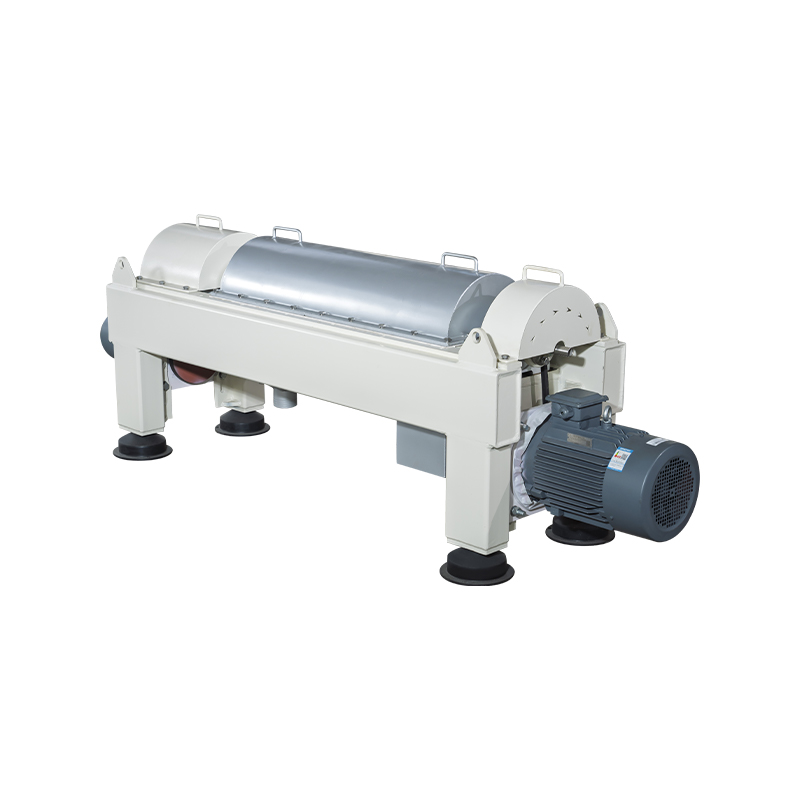
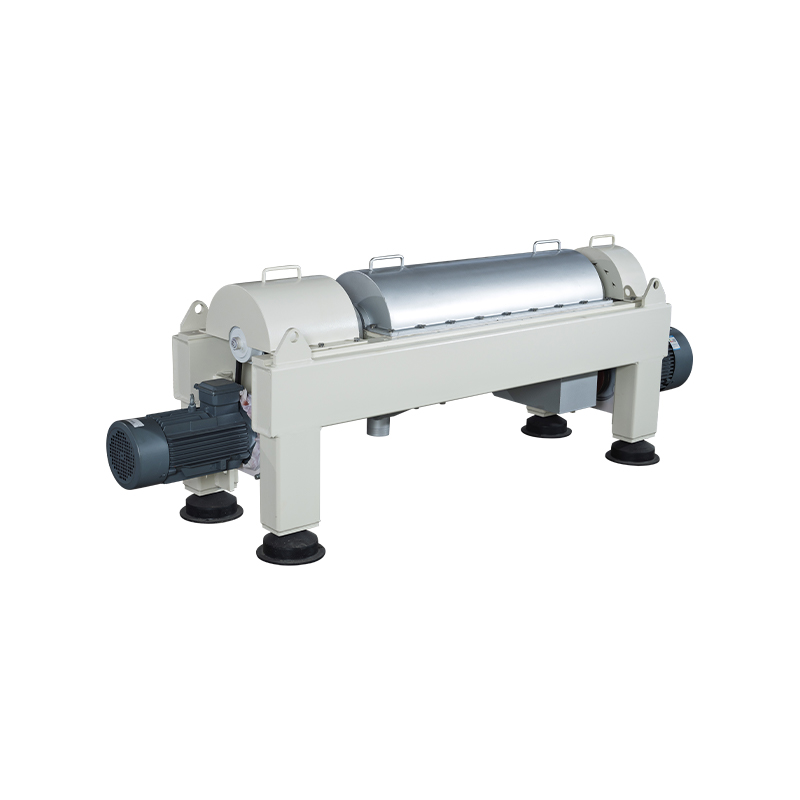
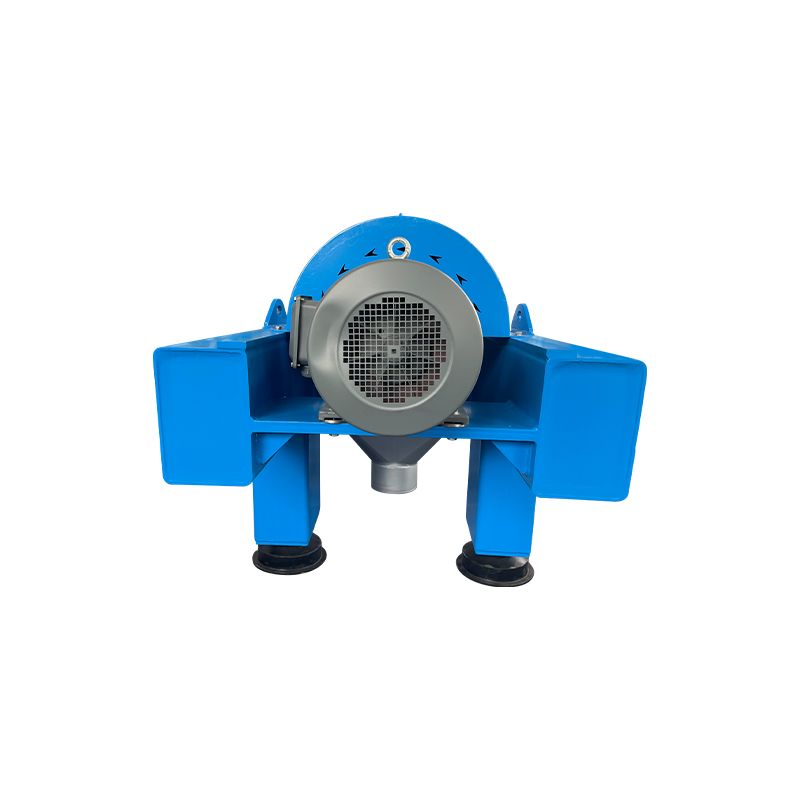
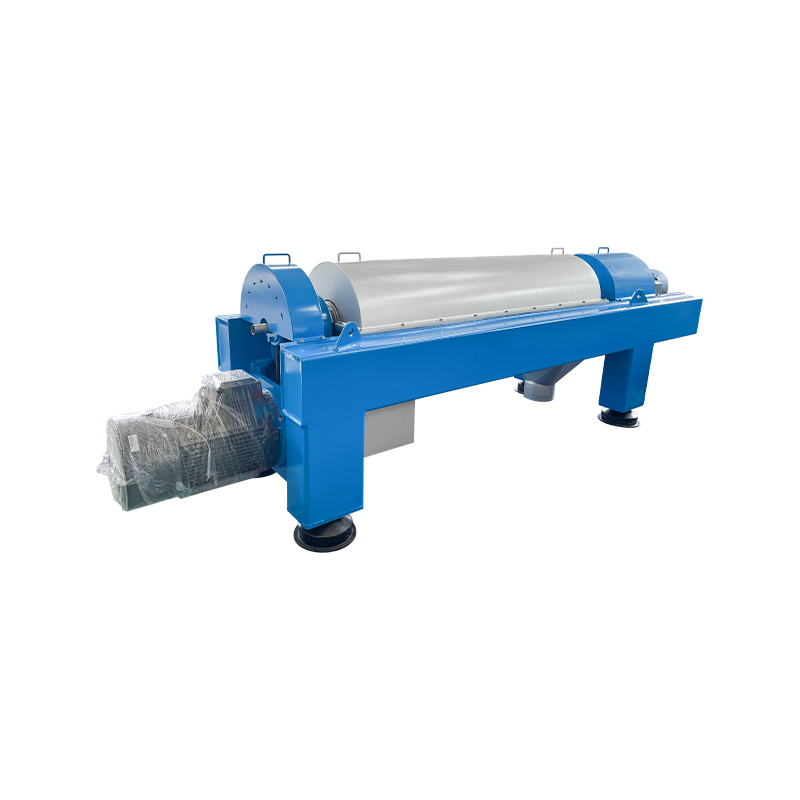
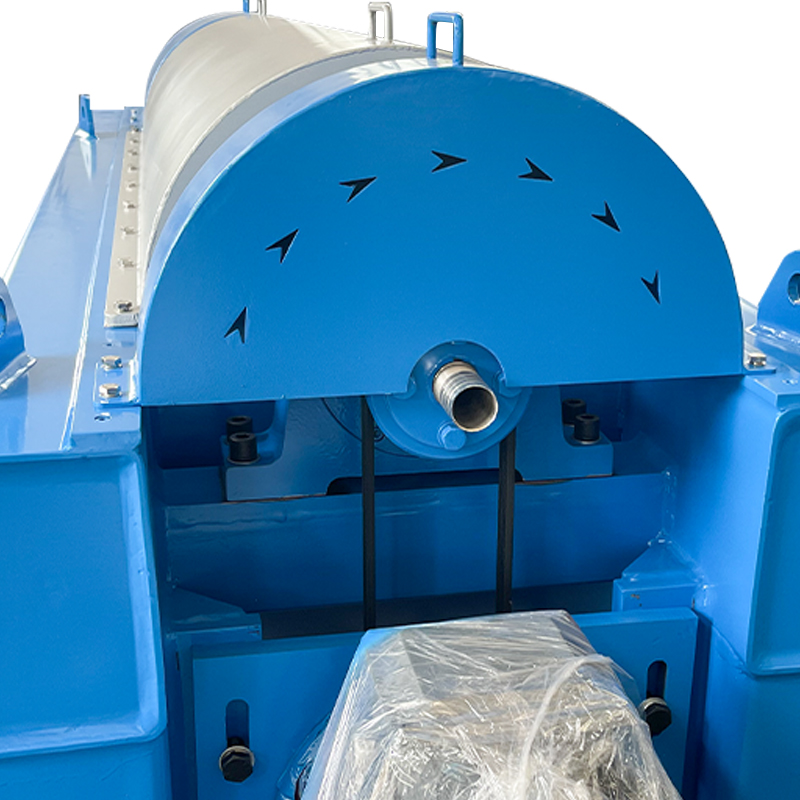
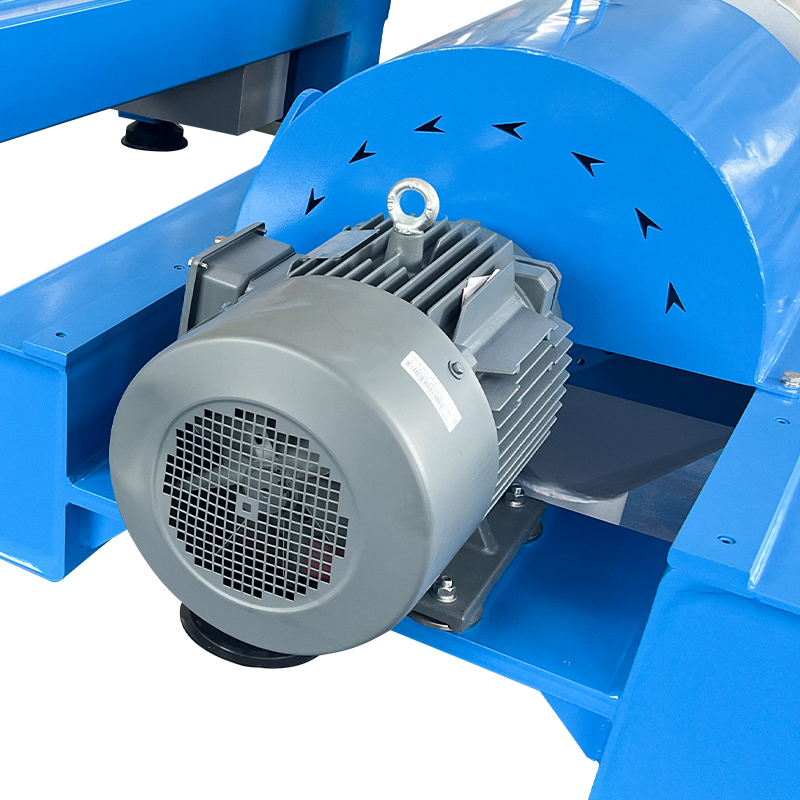
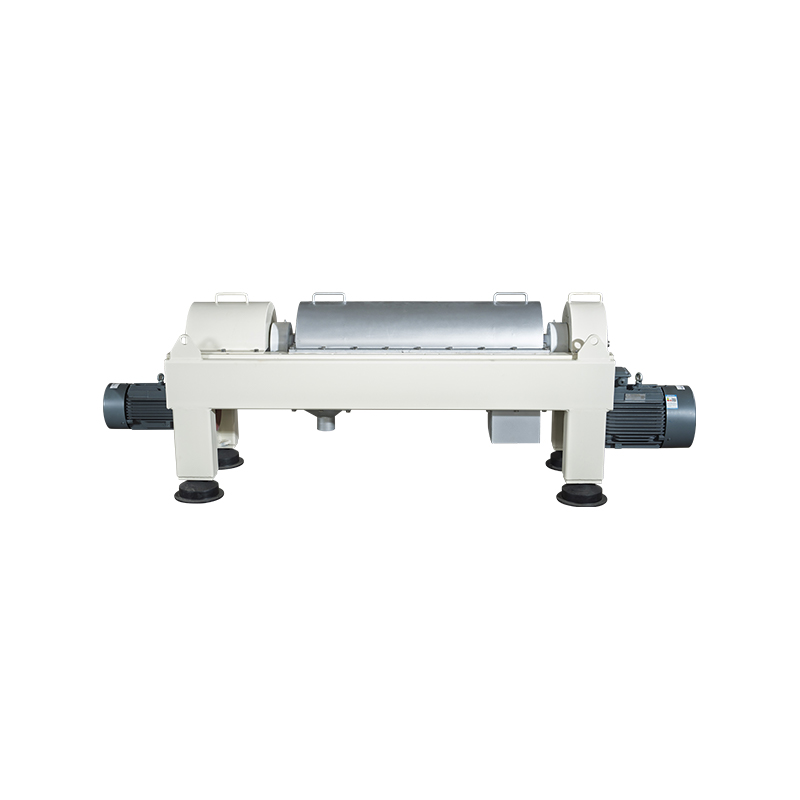
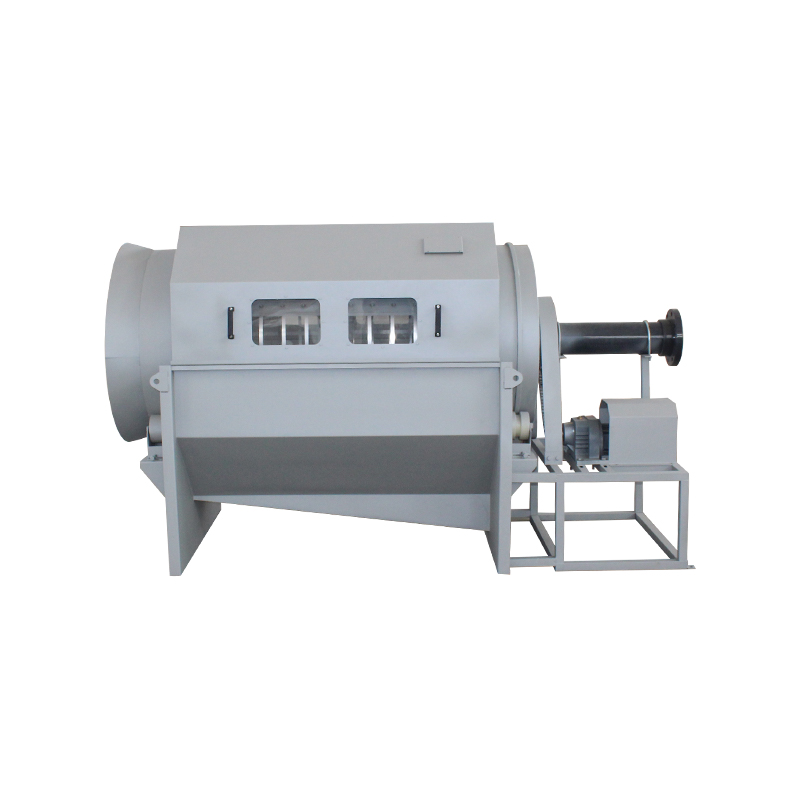
1. Horizontal decanter centrifuges are widely used in chemical, light industrial, pharmaceutical, food, and environmental protection industries. They are suitable for separating suspensions containing solid particles larger than 0.005mm and with a concentration of 2-40%.
Applicable Materials and Separation Conditions:
Horizontal decanter centrifuges are suitable for processing suspensions containing solid particles ≥0.005mm in size. The solid phase can be granular, crystalline, fibrous, or even finished products (such as yarn bundles and textiles) can be dehydrated. The applicable concentration range is generally 2-40%, the operating temperature is 0-40℃, the relative humidity does not exceed 85%, and the altitude does not exceed 1000 meters.
2. Industry Applications
Horizontal screw centrifuges are widely used in various industries, including but not limited to: Chemical and Light Industry: Titanium dioxide, starch, citric acid, gypsum slurry, diatomaceous earth, waste oil purification, etc.
Pharmaceutical and Food Industry: Soy protein, peanut protein, fruit juice, beverages, fermentation broth, etc.
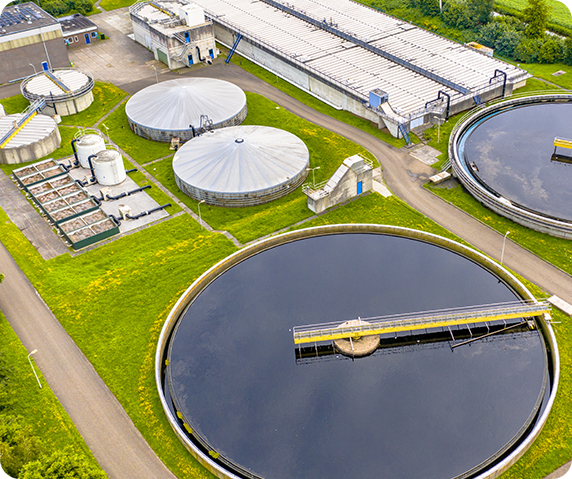
Environmental Protection and Wastewater Treatment: Sludge dewatering in industrial and civil wastewater treatment, reducing sludge moisture content from 98% to approximately 80%, and reducing volume by about 10 times.
Textile and Machinery Industry: Yarn tow, textile product dewatering, and liquid phase clarification.
Metallurgy and Mining Industry: Coal powder flotation, bauxite, ore classification, etc.
3. Functional Features
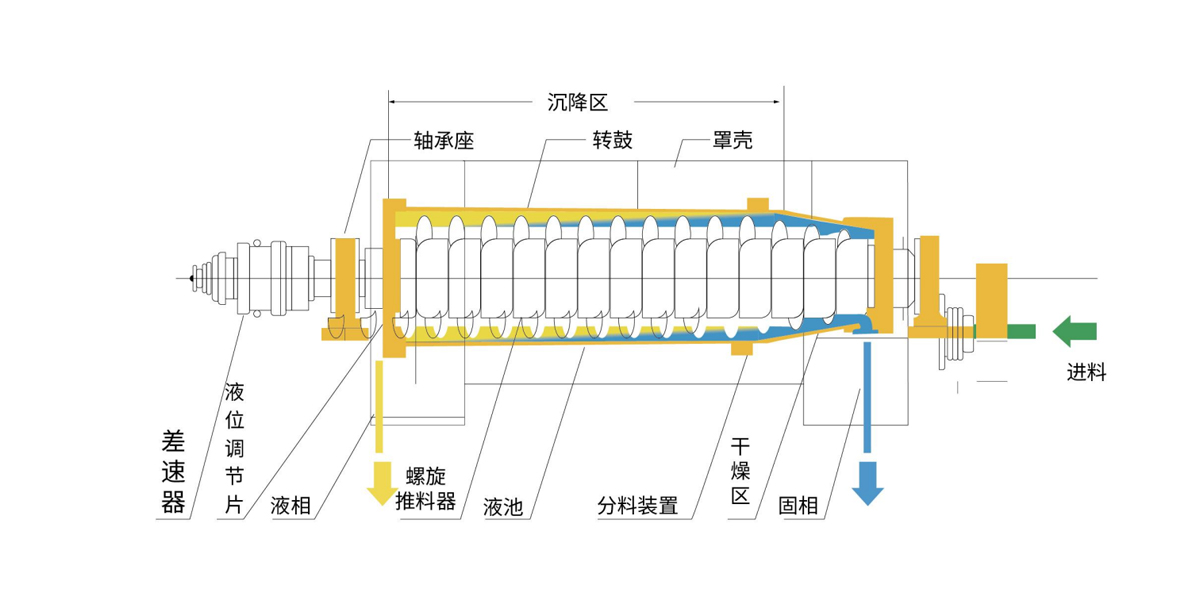
Horizontal screw centrifuges achieve separation through solid-liquid density difference and centrifugal force. The solid phase deposits on the inner wall of the drum to form a sludge layer, which is pushed to the cone end by the screw and discharged. The liquid phase is discharged through the overflow port, achieving continuous and automated operation. Its features include: compact structure, continuous operation, stable operation, and strong adaptability; capable of solid-phase dehydration, liquid-phase clarification, and material washing; large processing capacity, suitable for long-term continuous operation; and the option to select materials such as stainless steel or titanium depending on the corrosiveness of the material.


 English
  русский