

 English
  русский
Dissolved Air Flotation DAF: Wastewater Treatment System Design
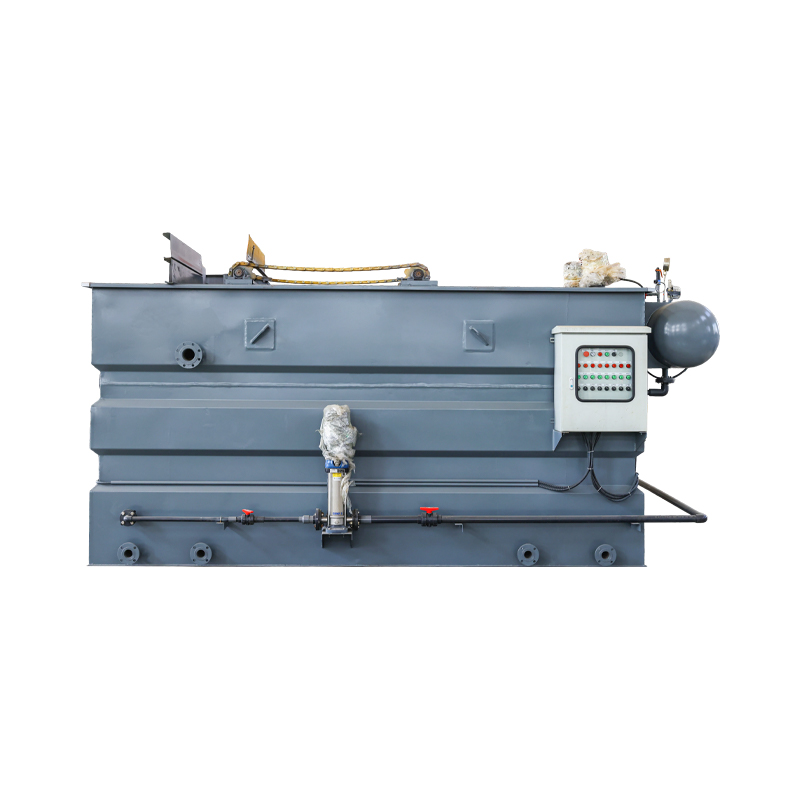
A dissolved air flotation DAF unit is an efficient air flotation separation technology that consistently removes 90 to 99 percent of total suspended solids, fats, oils, and grease from industrial wastewater. Inside a DAF system for water treatment, pressurized water saturated with air generates microbubbles measuring 10 to 100 microns that attach to contaminants and float them to the surface in a rapid 3 to 5 minute processing window. When paired with a high-efficiency dissolved air flotation pump that achieves over 95 percent air saturation, the dissolved air floatation system delivers a compact footprint and effluent quality that surpasses conventional gravity clarifiers.
Content
- 1 What Does DAF Stand For in Water Treatment and How It Works
- 2 The Physical Principles Driving Dissolved Air Flotation Water Treatment
- 3 DAF System Design Criteria That Determine Performance
- 4 The Central Role of Dissolved Air Flotation Pumps
- 5 Chemical Conditioning and Pretreatment Essentials
- 6 Measured Contaminant Removal Across Key Parameters
- 7 Advantages Over Conventional Sedimentation Clarifiers
- 8 Key Industrial Sectors Relying on DAF Unit Wastewater Treatment
- 9 Operational Practices for Sustained High Efficiency
What Does DAF Stand For in Water Treatment and How It Works
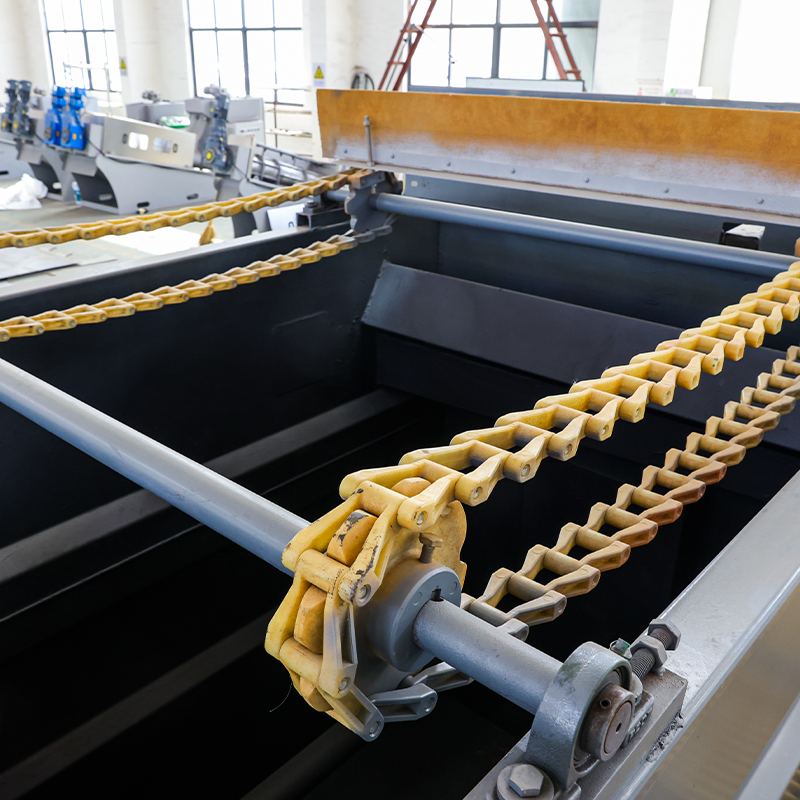
What does DAF stand for in water treatment? DAF is the acronym for Dissolved Air Flotation, a physical-chemical separation process designed to remove suspended solids, oils, greases, and low-density particles from water. The dissolved air flotation wastewater treatment process begins when influent enters a header box that reduces water velocity and distributes the flow evenly across the vessel. A pressurized stream of water fully saturated with dissolved air — commonly called whitewater — is injected into the incoming waste stream along with any required flocculant chemicals.
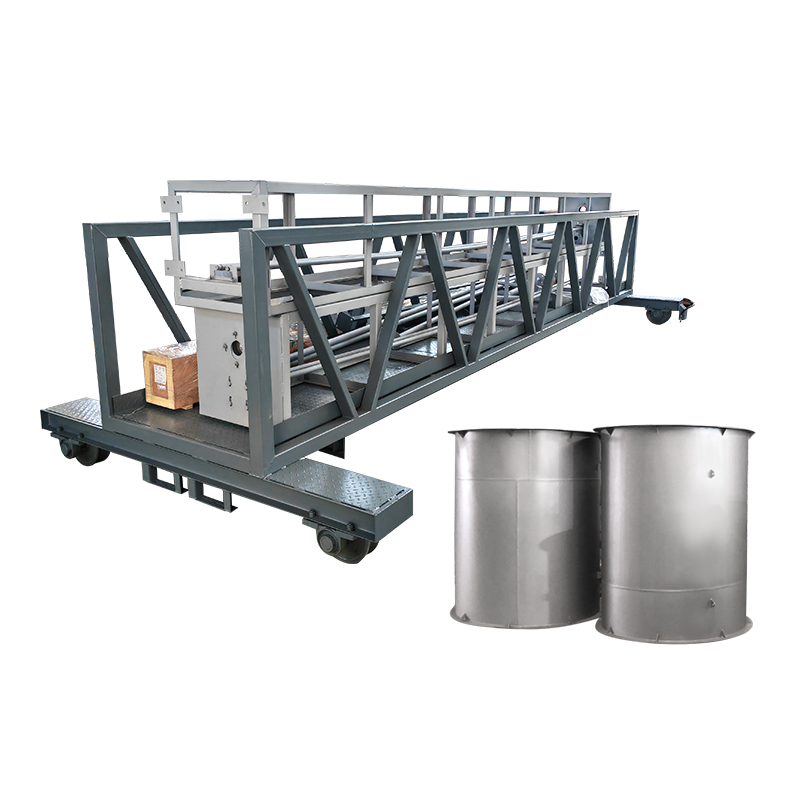
When the pressurized air-water solution is released at atmospheric pressure inside the DAF tank, the sudden pressure drop forces dissolved air to precipitate out of solution as billions of microscopic bubbles. These bubbles, typically between 30 and 50 microns in diameter, attach to hydrophobic contaminants and create bubble-floc aggregates with an overall specific gravity below 1.0, causing them to rise rapidly to the surface. A mechanical skimming device removes the floated sludge layer, while clarified water is continuously collected from multiple points inside the DAF and discharged over pipe weirs into an effluent chamber. This is the foundation of any DAF unit wastewater treatment operation.
The Physical Principles Driving Dissolved Air Flotation Water Treatment
The dissolved air flotation water treatment process is governed by Henry's Law, which states that the amount of gas dissolved in a liquid is proportional to the partial pressure of that gas above the liquid. By pressurizing a recycle stream of treated effluent in contact with air, a dissolved air flotation pump forces significantly more air into solution than is possible at atmospheric pressure. When this saturated water re-enters the DAF tank, the pressure drop creates supersaturated conditions, and the excess dissolved air escapes as microbubbles ranging from 10 to 100 micrometers in diameter.
The attachment of air bubbles to contaminant particles relies on hydrophobic interactions. Oils, greases, and chemically conditioned solids present hydrophobic surfaces to which the bubbles readily adhere. Chemical coagulation followed by flocculation enhances this process by building larger, more hydrophobic flocs that capture bubbles more effectively and rise faster. The DAF reactor is conceptually divided into a contact zone, where floc particles collide with and attach to rising bubbles, and a separation zone, where the floc-bubble aggregates ascend undisturbed to form a float layer. This combination of physics and chemistry makes the dissolved air floatation system exceptionally effective at removing light particles that would never settle in a conventional clarifier.
DAF System Design Criteria That Determine Performance
Proper DAF system design requires careful evaluation of several interdependent parameters. The size of the flotation basin is driven primarily by the hydraulic loading rate. Conventional DAF systems are designed for 4 to 8 gallons per minute per square foot, while modern high-rate systems can operate effectively at up to 20 gpm per square foot. The table below summarizes the critical design parameters for a properly engineered dissolved air flotation system.
| Design Parameter | Industry Range | Recommended Target |
|---|---|---|
| Air to Solids Ratio (lbs air/lb solids) | 0.01 to 0.10 | 0.03 |
| Hydraulic Loading Rate (gpm/sq ft) | 1.5 to 5.0 (conventional) up to 20 (high-rate) | 2.5 |
| Solids Loading Rate (lbs/hr/sq ft) | 1.0 to 3.5 | Not exceeding 2.0 |
| Recycle Rate (percent of influent) | 10 to 50 | 10 to 20 (with high-efficiency pump) |
| Saturation Pressure (psi / kPa) | 40 to 80 psi (275 to 550 kPa) | 75 to 100 psi (517 to 689 kPa) |
The Air to Solids (A/S) ratio is the single most fundamental design variable. It defines how much air is required to float a given quantity of solids. At 75 psig and 70 degrees F, water achieves approximately 9 percent air saturation. For a waste stream containing 1,000 milligrams per liter of TSS, this translates to roughly a 50 percent recycle rate, while streams with 2,000 milligrams per liter TSS require a 100 percent recycle rate. The solids loading rate establishes the relationship between the effective surface area of the DAF cell and the total mass of TSS and FOG entering the system. Most experienced designers recommend not exceeding 2.0 pounds per hour per square foot to prevent solids carryover into the clarified effluent.
Two common tank configurations exist: circular and rectangular. Circular tanks are predominantly used for wastewater and sludge thickening, while rectangular tanks are more common for potable water treatment. Rectangular tanks offer simpler construction, easier introduction of flocculated water, and more efficient float removal. Conventional DAF systems typically limit tank length to 40 feet, with a water depth of approximately 10 feet.
The Central Role of Dissolved Air Flotation Pumps
The dissolved air flotation pump is the most critical component in achieving efficient air flotation separation. This pump creates the pressurized whitewater stream that generates the microbubbles responsible for contaminant removal. Unlike a standard centrifugal pump that achieves only 20 to 50 percent saturation efficiency, a specialized regenerative turbine or multi-stage dissolved air flotation pump achieves over 95 percent saturation efficiency for bubbles in the 5 to 15 micron range. Such a pump performs three functions in a single unit: simultaneously drawing in air and water, mixing them, and then dissolving the air with a high-shear turbine impeller.
This high efficiency enables recycle rates as low as 10 to 20 percent, compared to the 30 to 50 percent typical of conventional systems that rely on less efficient saturation methods. Lower recycle rates mean more effective water retention time inside the DAF tank, better separation, and reduced energy consumption. The most robust dissolved air flotation pumps are built with 316 stainless steel construction, mechanical seals rated for continuous high-pressure operation, and premium efficiency motors. When integrated into a dissolved air floatation system, a high-performance pump delivers consistent air-to-water ratios, bubble sizes of 20 microns or less, a 10 to 40 percent reduction in chemical consumption, and a compact installation footprint. These pumps can be installed as replacement recycle pumps for existing DAF systems or packaged as part of a complete whitewater generation module.
Chemical Conditioning and Pretreatment Essentials
Chemical pretreatment is essential for achieving the high removal efficiencies that dissolved air flotation wastewater treatment systems are known for. The process typically involves two stages. A coagulant — commonly aluminum sulfate, ferric chloride, or polyaluminum chloride — is first mixed into the wastewater, triggering the formation of microflocs from colloidal particles. A polymer flocculant is then added to promote the development of larger, more stable flocs that both resist breakup and provide excellent buoyancy.
Jar testing is mandatory for determining the correct type, dosage, and sequence of chemical addition. Key water quality parameters that influence dosing decisions include TSS concentration, FOG type and concentration, BOD and COD levels, pH, alkalinity, and particle size distribution. For high TSS loads exceeding 1,000 milligrams per liter, a pre-treatment step such as screening or primary sedimentation prevents the DAF unit from being overwhelmed and ensures consistent effluent quality.
Measured Contaminant Removal Across Key Parameters
A properly engineered DAF system for water treatment consistently achieves exceptional contaminant removal. The following figures represent documented performance across a wide range of industrial installations.
- Total Suspended Solids (TSS): Removal efficiencies range from 90 to 99 percent when combined with proper chemical dosing. Even under variable loading conditions, DAF systems routinely maintain effluent TSS below 30 milligrams per liter.
- Fats, Oils, and Grease (FOG): DAF is exceptionally effective for FOG removal, with many industrial systems achieving total oil and grease content below 20 parts per million in the treated effluent.
- Chemical Oxygen Demand (COD): By removing the solids and FOG fractions that contribute significantly to COD, removal efficiencies between 86 and 91 percent are commonly observed.
- Turbidity: Removal rates consistently exceed 84 percent, with optimized installations achieving 96 to 97 percent turbidity reduction.
- Total Phosphate: Removal efficiencies between 95 and 96 percent are achievable in well-optimized DAF installations with appropriate metal salt coagulant dosing.
What makes dissolved air flotation DAF particularly remarkable is its compact size. With a retention time of just 3 to 5 minutes and a tank depth as shallow as 600 millimeters, DAF units deliver separation efficiencies that would require sedimentation basins with hours of retention time to match. The sludge produced by DAF is also significantly thicker — typically 2 to 4 percent solids compared to less than 1 percent from sedimentation — which reduces downstream dewatering costs and handling volumes.
Advantages Over Conventional Sedimentation Clarifiers
In most industrial applications, a dissolved air floatation system is the preferred alternative to gravity sedimentation. While a conventional clarifier requires hours for particles to settle, DAF actively floats contaminants upward in minutes, delivering dramatically faster processing. The final water quality is consistently better because flotation removes smaller, lighter particles that would never settle in a conventional clarifier.
DAF systems also require significantly less space than comparable clarifiers and, due to their modular construction, allow easy installation and rapid startup. They demonstrate higher tolerance for variable loading conditions and produce a thicker sludge that reduces dewatering costs. Modern high-rate dissolved air flotation DAF designs incorporate features such as progressive water extraction, cross-flow configuration for lower internal velocity, plate separators, and cone bottom sludge collection, all of which further improve separation performance and reliability.
Key Industrial Sectors Relying on DAF Unit Wastewater Treatment
DAF unit wastewater treatment has proven indispensable across a wide spectrum of industries where low-density contaminants predominate and space is at a premium. Major application sectors include:
- Food and Beverage Processing: Meat and poultry plants, dairy processing facilities, and edible oil refineries use DAF to remove high concentrations of fats, oils, and organic solids from their wastewater streams.
- Oil and Gas: DAF is widely applied in the treatment of produced water and refinery effluents containing dispersed or emulsified oil, achieving effluent oil and grease levels that meet strict discharge permits.
- Pulp and Paper: Paper mill wastewater containing fibers, fillers, and coating materials responds well to flotation separation for both process water clarification and sludge thickening.
- Chemical and Petrochemical: These facilities use DAF to remove oil-water emulsions, precipitated metals, and process-related suspended solids prior to biological treatment or discharge.
- Municipal Wastewater Treatment: DAF serves as both primary clarification and tertiary polishing to remove residual suspended solids, phosphorus, and algae before final discharge.
- Drinking Water Treatment: Since the late 1960s, DAF has been applied to drinking water production, proving particularly efficient at removing algae, natural color, and low-density particles from surface water supplies.
Operational Practices for Sustained High Efficiency
Maintaining peak performance from a dissolved air flotation wastewater treatment system requires disciplined operational control of several variables. The saturation pressure in the air dissolution system must remain within the 80 to 100 psi range for effective bubble formation; insufficient pressure results in poor air release, while excessive pressure wastes energy. The pH must be maintained in the optimal range for the selected coagulant, typically 6.0 to 7.5, as operation outside this window increases chemical consumption without improving removal. Total hydraulic flow through the DAF — the sum of influent and recycle — must stay within the design loading capacity to prevent short-circuiting and solids carryover. The surface skimming mechanism must be adjusted to remove float sludge at a rate that prevents the accumulated layer from becoming too thick and breaking apart, while avoiding excessive water removal. Regular inspection of pressure gauges, detection of leaks, and adherence to a comprehensive maintenance schedule ensure that the DAF system for water treatment continues to deliver design performance over years of operation.
Let's Cooperate with Yixing Hengye Environmental Protection
Contact UsRelated Products
- Product Categories
- Sludge Dewatering Machine
- Roller Filter
- Dissolved Air Flotation Machine(DAF)
- Rotary Mechanical Bar
- Dosing Device
- Aerator
- Biological Packing Material
- Other Wastewater Treatment Equipment
- Contact Us
-
-
[email protected]

[email protected] -
+86-13812201185

-
+86-13812201185

-
No. 20, Saite Road, Gaoyao Village, Gaocheng Town, Yixing City, Wuxi City, Jiangsu Province, China

-



