I. Core Structure
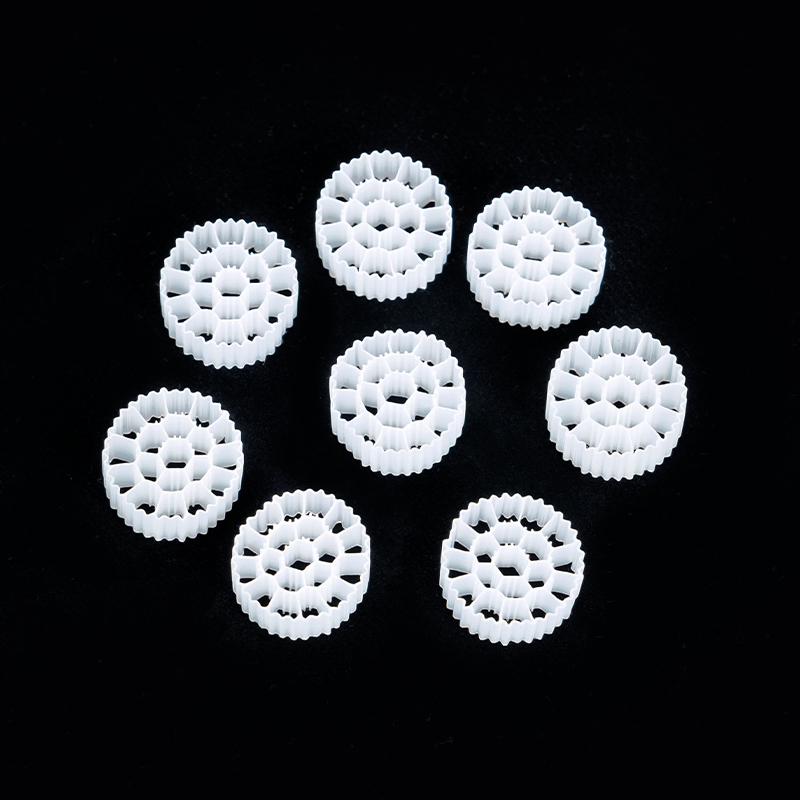
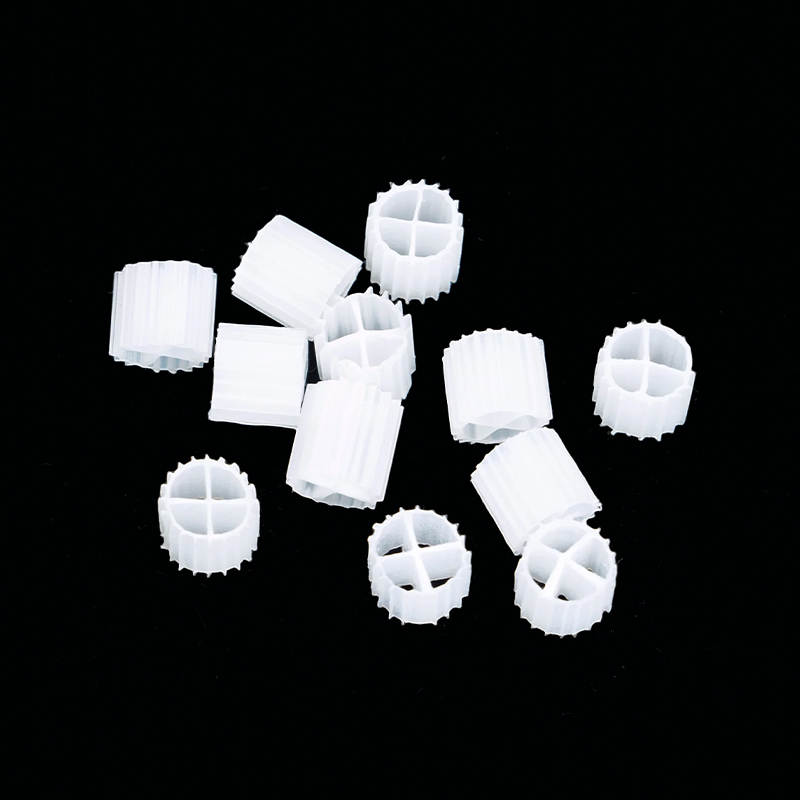
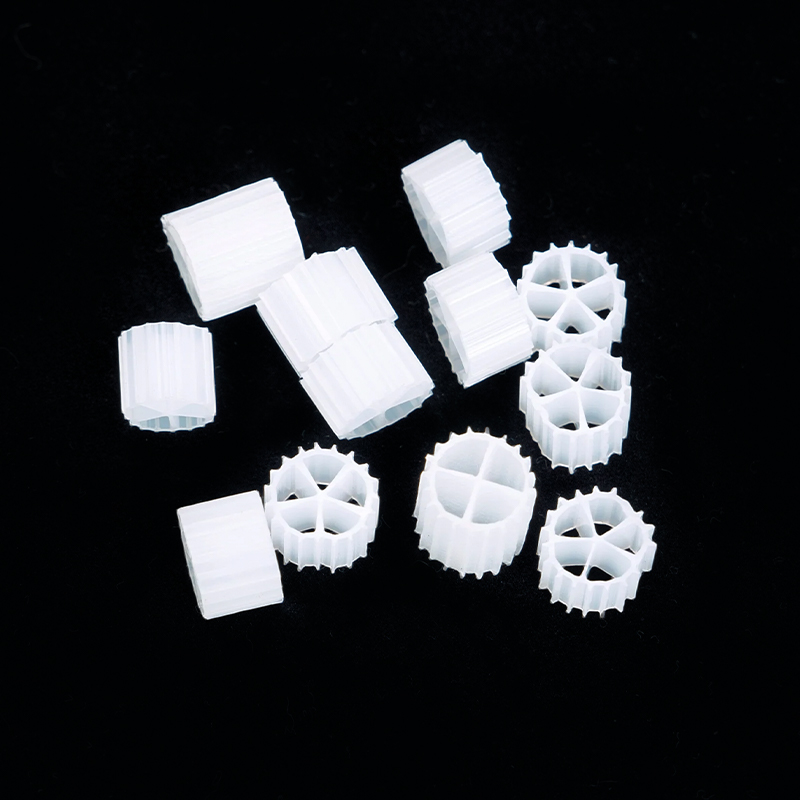
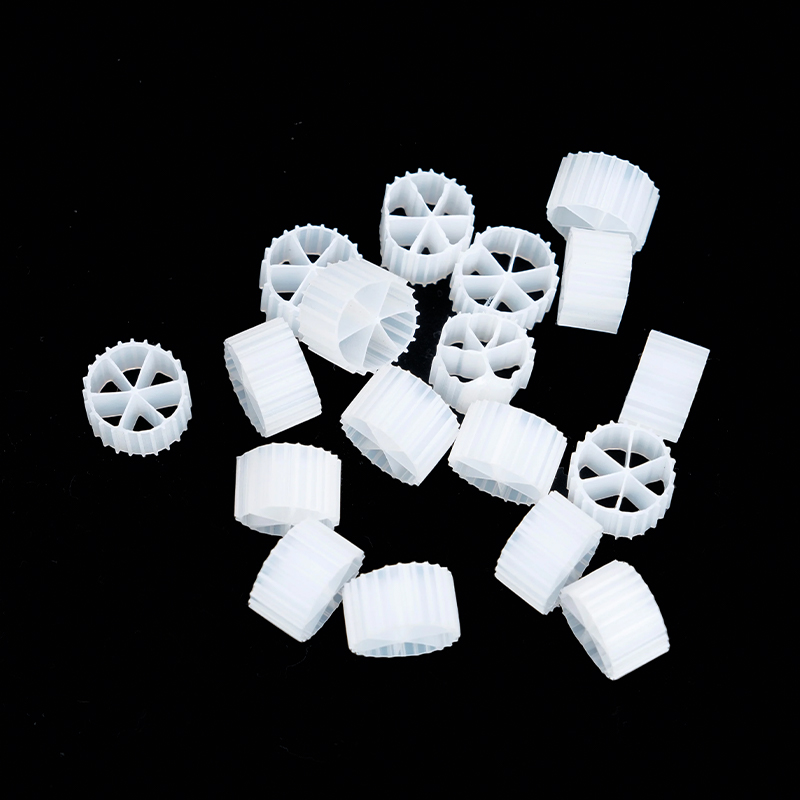
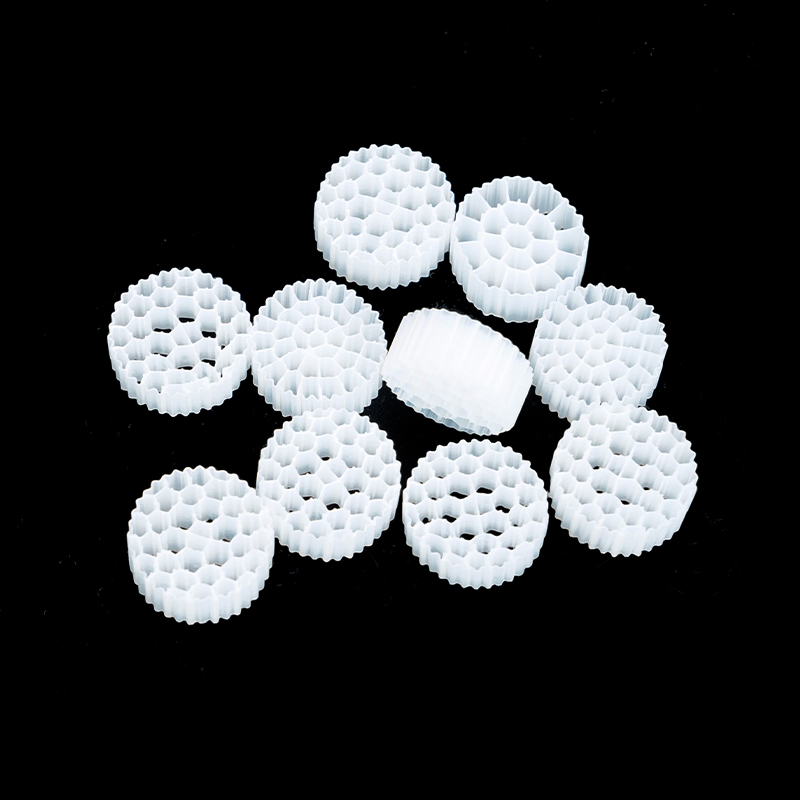
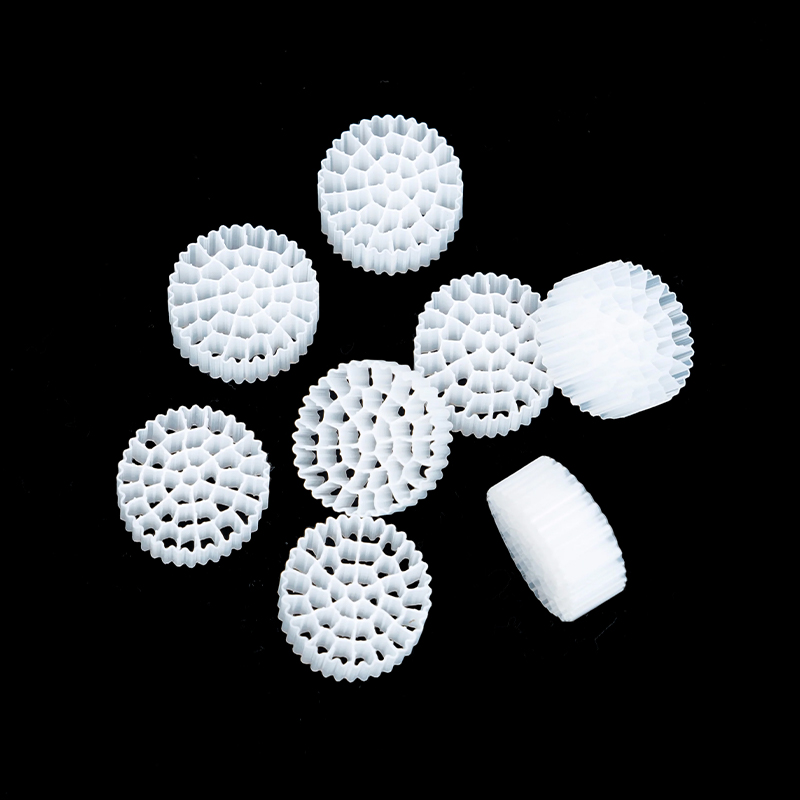
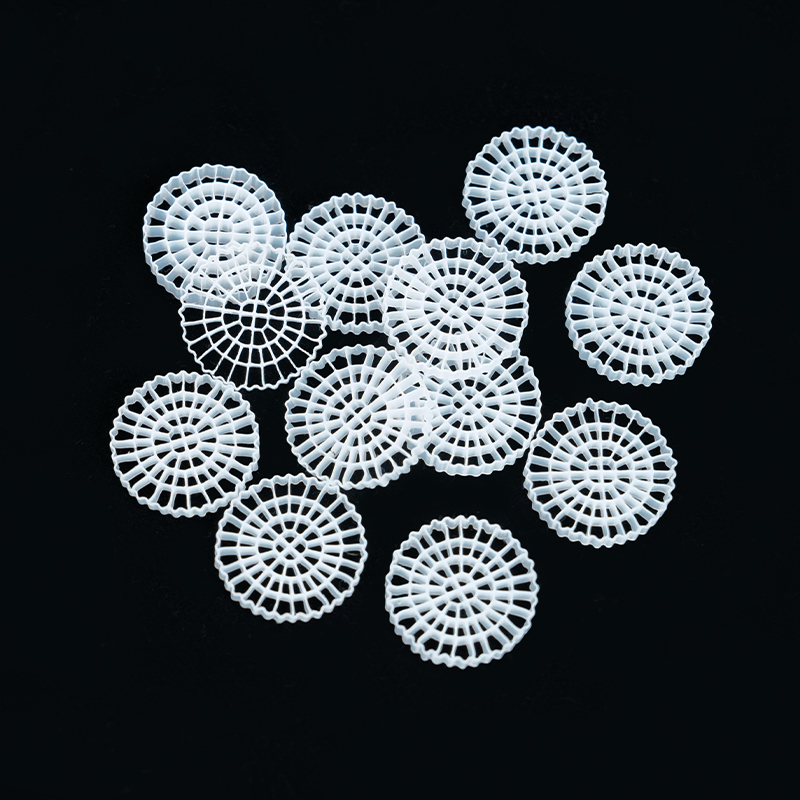
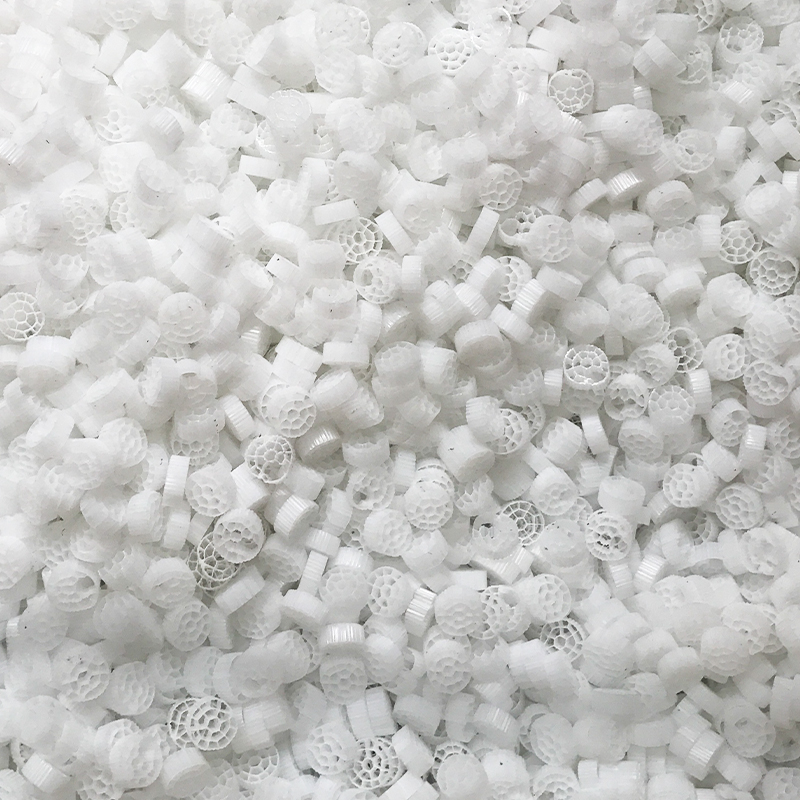
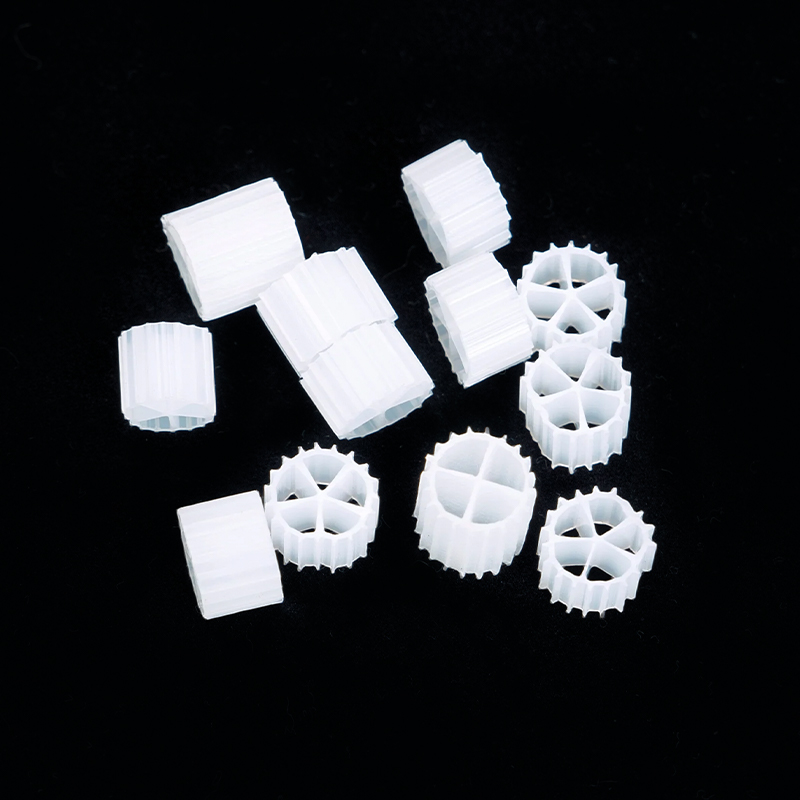
MBBR media is a three-dimensional porous suspended structure molded from High-Density Polyethylene (HDPE) or Modified Polypropylene. It is a specialized biological carrier designed specifically for Moving Bed Biofilm Reactors (MBBR). Core structural features include:
·Shape and Size: Mostly cylindrical, with standard specifications of Φ10mm, Φ15mm, and Φ25mm. It features thin walls and an overall hollow, porous design.
·Internal Structure: Crossed 3D porous channels with multi-wing/multi-tooth supports create a massive internal and external space for biofilm growth. The high void ratio allows unobstructed flow of water and air.
·Specific Gravity Design: Strictly controlled between 0.92 and 0.98 (slightly less than water). It requires no fixed brackets and can naturally suspend and easily fluidize within the water body.
·Surface Characteristics: Strong hydrophilicity and microscopic surface roughness with a large specific surface area (typically 300–800 m2/m3), providing ample carrier space for microbial attachment.
II. Working Principle
The media operates based on the Moving Bed Biofilm Reactor (MBBR) process. The core mechanism is "Media Fluidization + Biofilm Degradation," divided into four steps:
1. Biofilm Attachment (Carrier Colonization)
After the media is added to the biochemical tank, microorganisms such as bacteria, fungi, and protozoa quickly adsorb, grow, and multiply on the rough, porous surfaces, forming a dense biofilm (stratified symbiosis of aerobic, anaerobic, and facultative bacteria).
2. Fluidized Mixing (Three-Phase Contact)
The airflow generated by the aeration system, combined with water circulation, drives the media to fluidize, tumble, and collide throughout the tank without dead zones:
Full contact between the gas, water, and biofilm ensures efficient oxygen transfer.
Constant turbulence prevents the biofilm from becoming too thick or aging, automatically shedding excess film to maintain high biological activity.
3. Pollutant Degradation (Core Biochemistry)
Aerobic and anaerobic microorganisms within the biofilm use organic matter such as COD, ammonia nitrogen, total nitrogen, and total phosphorus in the wastewater as nutrients:
Decomposing organic pollutants into carbon dioxide and water.
Completing reactions such as nitrification, denitrification, and phosphorus release/absorption to purify the wastewater.
4. Solid-Liquid Separation
Aged and detached biofilm flows into the sedimentation tank, while the media—due to its specific gravity and structural design—remains intercepted in the biochemical tank for continuous recycling. Sludge production is significantly lower than that of the traditional activated sludge process.
III. Core Advantages (Principle Extension)
·No Brackets & No Clogging: Suspended fluidization prevents clogging and scaling; ideal for high-concentration wastewater.
· High Load & Small Footprint: Large biomass ensures processing efficiency 1.5–2 times higher than traditional media.
·Long Life & Maintenance-Free: Acid/alkali resistant and anti-aging; can last 10–15 years without replacement under normal use.
·Fast Startup & Shock Resistance: Stable biofilm provides extreme resilience against fluctuations in water quality and volume.


 English
  русский