

 English
 русский

Industrial Waste Water Treatment Equipment Selection Guide for Plants and Contractors
Industrial waste water is a process-driven problem before it is a treatment problem. A textile dye house can run at neutral pH for hours and then hit an alkaline peak when a dye batch is dumped; a chemical plant can switch from a clean rinse line to a solvent-strong waste stream between product runs. That is why the equipment in an industrial waste water line has to absorb variability, not just meet an average permit number.
Here is a working definition: industrial waste water is any water discharged from a manufacturing process after it has been used to wash, cool, rinse, transport, or chemically transform a product or raw material. It can contain coarse solids, fibers, oil, grease, dissolved organics, metals, changing pH, or simply high temperature. The practical result is that equipment selection has to start with the physical form of the contaminant, not with a single COD target.
Treat the machine first and the permit second. Permit values describe an end result; the equipment has to create that result shift after shift.
Content
- 1 What Industrial Waste Water Is and Why It Needs Different Equipment
- 2 Equipment for Industrial Waste Water: Four Mechanical Responses That Do the Work
- 3 How to Select Equipment for Real Plant Conditions
- 4 Dosing and Dewatering Equipment Turn Chemistry and Sludge into Manageable Streams
- 5 Operating and Maintenance Considerations Buyers Often Miss
- 6 Industrial Waste Water Equipment FAQ
What Industrial Waste Water Is and Why It Needs Different Equipment
Industrial waste water is any factory discharge that has been altered by a production process, and that definition should drive the equipment list. Municipal sewage is roughly predictable by time of day; industrial waste water is predictable only if you know the production schedule.
A paper mill creates fiber loads during grade changes, a food plant creates organic slugs during cleanup, and a metal finishing line creates metal hydroxide flocs after a bath change. These conditions determine which machines are installed first and how much automation they need.
| Industry or process | Typical pollutant signature | Equipment function priority |
| Textile and printing | Color, COD, pH swings, suspended fibers | Screening plus chemical coagulation |
| Chemical and pharmaceutical | Solvents, dissolved solids, metal salts, batch dumps | pH trim, dose control, solids separation |
| Food and beverage | High organic load, oil and grease, washwater solids | DAF and sludge dewatering |
| Paper and board | Fibers, ash, COD, foam, temperature spikes | Fine screening and flotation |
Equipment priority follows pollutant form. If particles are large, remove them by bar screening. If oil or emulsion dominates, separate it by dissolved air flotation. If the problem is dissolved chemistry, add a dosing device. Match the machine to the physical state of the contaminant.
Equipment for Industrial Waste Water: Four Mechanical Responses That Do the Work
An industrial waste water line is a series of equipment modules, and each module is sized around a specific physical separation task. The process is only the frame; the equipment does the work.
Each equipment group solves a separation problem, and the machine that follows in the line depends on the one before it. A coarse screen protects pumps, mixers, and nozzles. A dissolved air flotation unit removes the fine suspended solids that would otherwise overload a biological stage. A dosing device keeps the chemical dose aligned with the flow. The sludge that these machines produce then needs a dewatering answer.
How to Select Equipment for Real Plant Conditions
Selection starts with the physical form of the pollutant and the point where the line must stop it. For coarse solids, the machine is a bar screen. For oil and fine suspended solids, the machine is a DAF unit. For dissolved chemicals, the machine is a dosing device. For the sludge that all of these create, the machine is a dewatering press or centrifuge.
Bar screens: protect the line before the line protects the environment
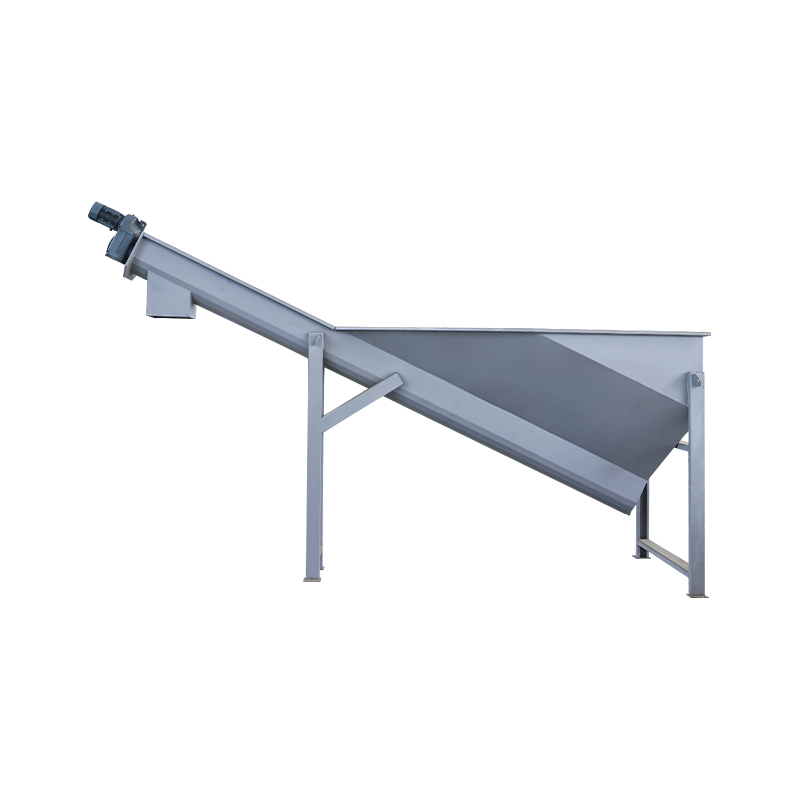
A bar screen is the first mechanical barrier in most industrial waste water plants, and its main job is to protect equipment downstream. When flow contains fibrous material or stringy solids, a rake-tooth bar screen machine clears the bars automatically and avoids blinding. Screen opening, drive type, and cleaning mechanism matter more than the brand; the machine has to match the channel depth, solids load, and the type of debris the production line releases.
 Rake-Tooth Bar Screen Machine for Solid-Liquid SeparationThis rotary screen debris remover suits pre-treatment in municipal and industrial water lines, handling fibrous or stringy solids before downstream equipment. Its rake chain and overload protection make it a practical choice where channel depth and debris loads vary.View Product →
DAF units: remove what will not settle
A dissolved air flotation machine is the right response when oils, emulsified grease, or light solids keep bypassing gravity separation. DAF works by dissolving air under pressure and releasing it at the base of the flotation tank. Micro-bubbles attach to particles and lift them to the surface, where the sludge blanket is scraped away. Food, dairy, chemical, and printing plants use it because it reacts faster than sedimentation and handles a wider range of particle shapes.
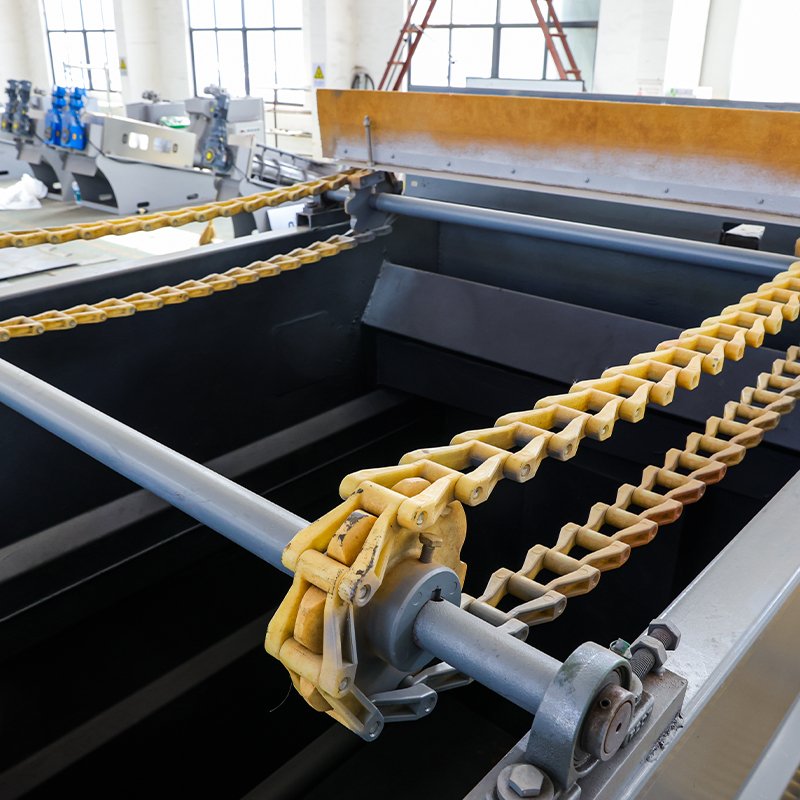 Integrated Dissolved Air Flotation Unit for Oil and Solids RemovalThe YF flotation unit combines flotation tank, dosing, and air dissolution into one automated system. It targets emulsified grease, light solids, and contaminants in food, chemical, and paper wastewater, with reported performance for COD, suspended solids, and fiber recovery.View Product →
The correct machine is the one that removes the pollutant in the physical state it reaches that point in the line.
Dosing and Dewatering Equipment Turn Chemistry and Sludge into Manageable Streams
A dosing device and a dewatering machine control both chemical performance and operating cost. Dosing equipment works upstream of DAF, sedimentation tanks, and sludge dewatering; dewatering works at the end of the line to reduce disposal volume.
Polymer or coagulant preparation matters because unmixed polymer does not dose the same way twice. A fully automatic dosing device dilutes, mixes, ages, and feeds the solution at a set concentration. It reduces operator variability for continuous industrial waste water lines and can be linked to a pump stroke or flow signal.
 Fully Automatic Polymer Dosing System with Three-Tank DesignThis PLC-controlled dosing device continuously prepares and feeds polymer solutions for municipal or industrial sludge treatment. Its three-tank overflow configuration and screw or metering pump enable consistent dosing, reducing operator variability in continuous wastewater lines.View Product →
Manual or semi-automatic dosing
- Lower purchase cost in an early budget
- Operator must adjust the dose when flow changes
- Dry polymer can clump if mixing is rushed
- More quality risk during night shifts or peak loads
Fully automatic dosing
- Consistent solution concentration
- Fewer manual corrections during load changes
- Better integration with pumps and control signals
- More stable downstream results and chemical use
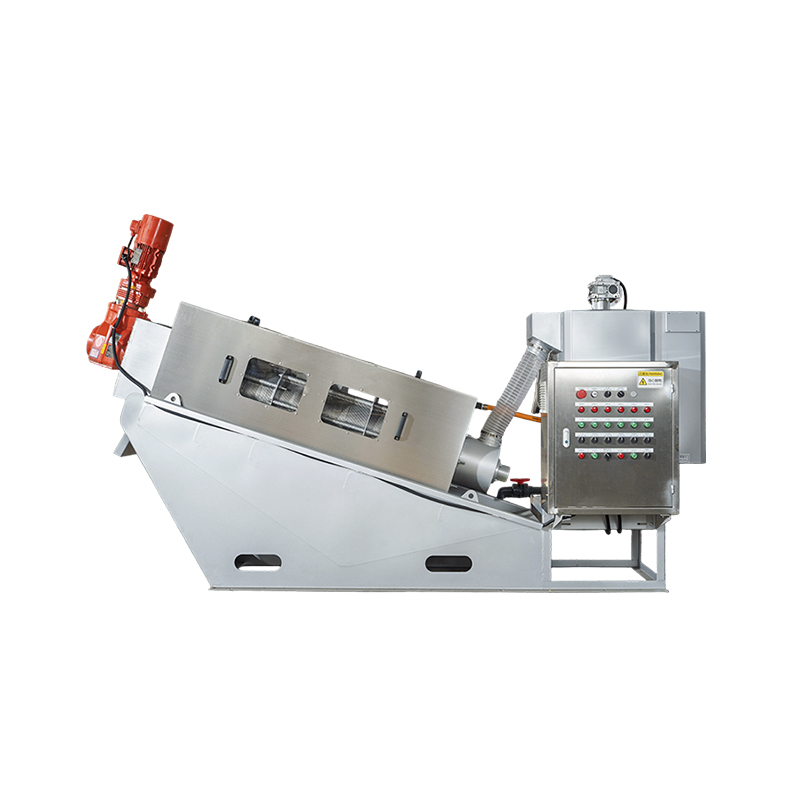
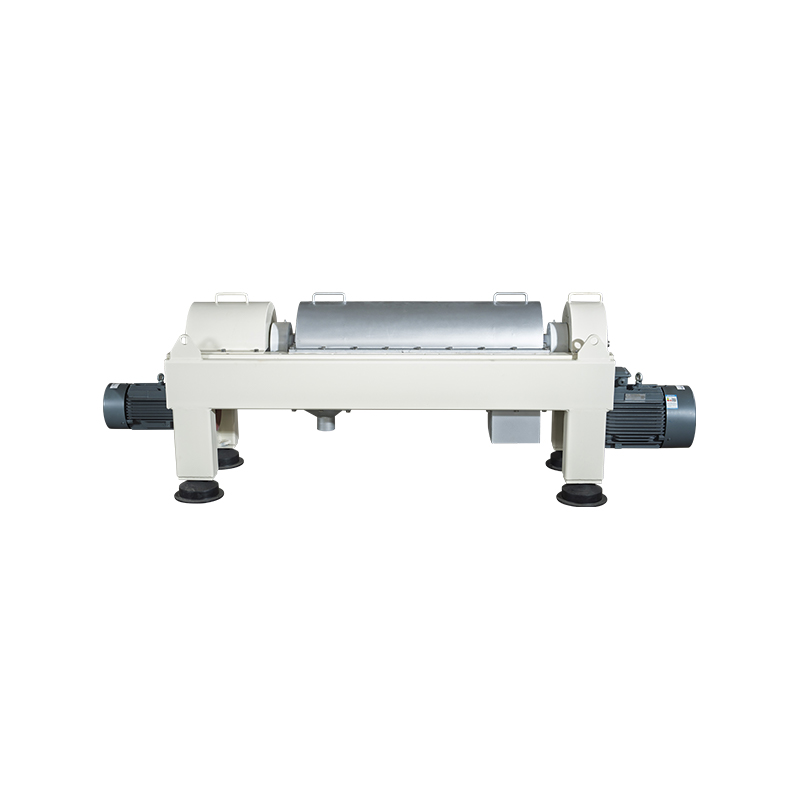
On the sludge side, screw press dewatering machines, belt filter presses, and horizontal screw centrifugal dewatering machines reduce sludge moisture so that hauling volume and disposal frequency go down. The dosing equipment and the dewatering machine should be considered together, because sludge conditioning changes how well the dewatering press performs.
Operating and Maintenance Considerations Buyers Often Miss
The best industrial waste water equipment will fail if maintenance access, cleaning time, and operator attention are not designed into the installation. A machine chosen only on price often creates a larger operating cost after the first month.
- Check the cleaning cycle of the screen. Does it self-clean, or does it need manual rake attention after heavy solids loading?
- Check the DAF air saturation pressure range and nozzle condition. Low pressure means fewer micro-bubbles and a weaker separation result.
- Check the polymer preparation sequence. Wetting time and mixing speed affect floc strength more than pump size.
- Check sludge feed consistency. Thin or thick sludge changes the dewatering result and can blind the press.
A plant engineer does not choose a machine by its maximum influent concentration; they choose it by the operating range it can absorb without operator intervention.
Yixing Hengye Environmental Protection Technology Co., Ltd. (HENYEPCC) is an equipment manufacturer with ISO 9001 quality management certification, and its product range includes bar screen machines, dissolved air flotation units, and automatic dosing devices. The company profile describes the manufacturing and support structure behind these machines.
Industrial Waste Water Equipment FAQ
The short version: choose equipment by pollutant form, protect the line, keep chemistry stable, and make sludge easy to handle.
Does every industrial waste water line need a bar screen?
Any line with pumps and a solids load above a few coarse solids should use a bar screen to protect those pumps and downstream equipment. A small line with clean wastewater may not need one, but most industrial lines do.
Should I choose a DAF unit or a sedimentation tank?
If the contaminant is heavy and settles quickly, a sedimentation tank is simpler. If the contaminant is oil, grease, or fine suspended solids, a DAF unit is the better choice, and the two are often combined.
How do I size a dosing device?
Size the dosing device from the expected chemical dose, the solution concentration, and the operating hours. Flow rate alone is not enough; polymer preparation time and mixing quality matter just as much.
Is automatic dosing worth the extra cost?
For continuous industrial waste water lines, automatic dosing usually pays for itself in chemical savings and permit stability. For batch operations that run only a few hours, a semi-automatic device may be enough.
Let's Cooperate with Yixing Hengye Environmental Protection
Contact Us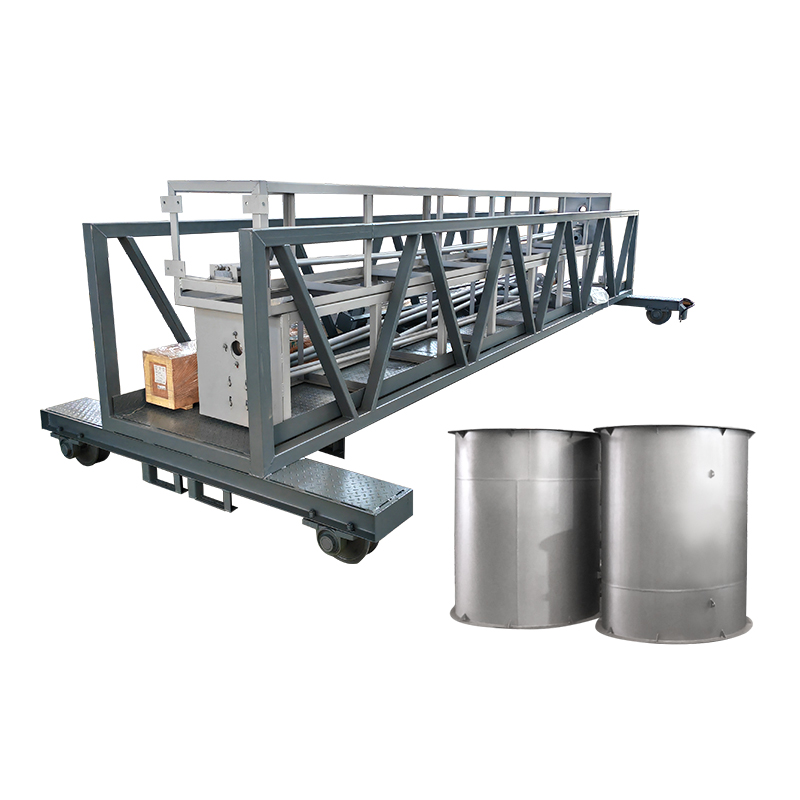
- Product Categories
- Sludge Dewatering Machine
- Roller Filter
- Dissolved Air Flotation Machine(DAF)
- Rotary Mechanical Bar
- Dosing Device
- Aerator
- Biological Packing Material
- Other Wastewater Treatment Equipment
- Contact Us
-
-
[email protected]

[email protected] -
+86-13812201185

-
+86-13812201185

-
No. 20, Saite Road, Gaoyao Village, Gaocheng Town, Yixing City, Wuxi City, Jiangsu Province, China

-



