

 English
  русский
How Do Rotary Mechanical Bars Improve Water Treatment Efficiency?
Content
Introduction
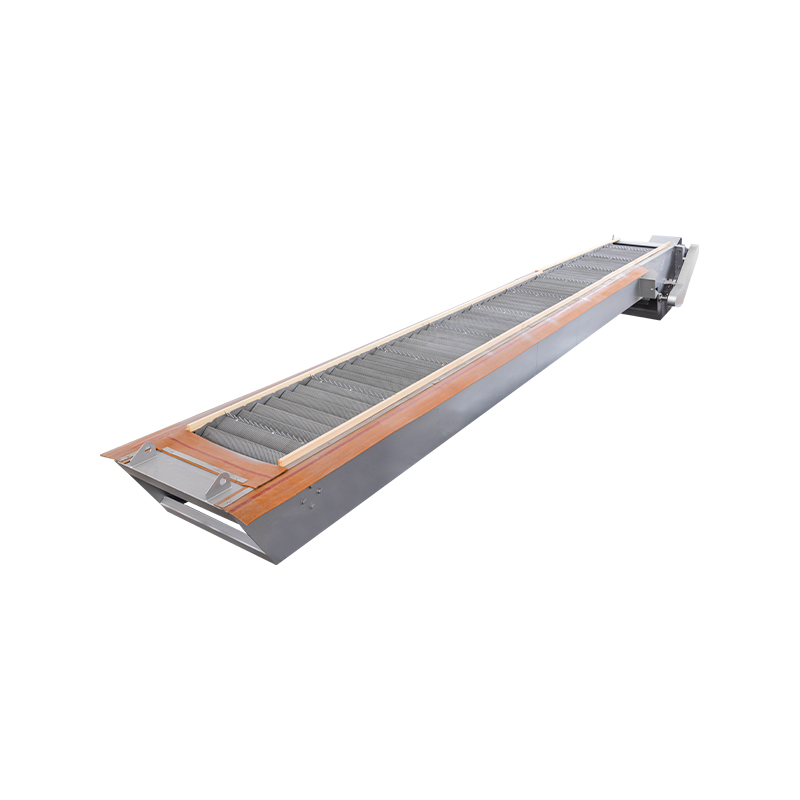
In recent years, the role of rotary mechanical bars has become increasingly significant in modern water treatment processes. As industries and urban centers expand, managing water resources effectively has become a critical task. Rotary mechanical bars, also known as rotary bar screens, have emerged as advanced solid-liquid separation equipment. These devices are primarily used in wastewater treatment plants, municipal stormwater systems, and industrial water treatment applications. Their ability to efficiently separate solids from liquids has made them a crucial component in ensuring the smooth operation of water treatment systems worldwide.
Basic Concept and Historical Background of Rotary Mechanical Bars
What are Rotary Mechanical Bars?
Rotary mechanical bars are specialized solid-liquid separation systems used in the treatment of wastewater and industrial effluents. These systems work by using rotating bars or screens to filter out solid materials from the incoming water. The process of filtration is designed to work continuously, ensuring that large volumes of water can be processed without interruption.
The primary function of rotary mechanical bars is to remove debris, particles, and other solids from water, which helps to protect downstream systems and improve the overall quality of treated water. The rotating mechanism ensures that the device operates efficiently, even in the presence of large volumes of debris, making it an indispensable tool in modern water treatment operations.
Historical Development of Rotary Mechanical Bars
The concept of using mechanical screens for water filtration has been around for centuries, but the advent of rotary mechanical bars marked a significant milestone in the evolution of water treatment technologies. Early water treatment systems used static screens, which required manual cleaning and could not handle large amounts of solid debris. As urbanization increased and the need for efficient water treatment grew, engineers began developing more sophisticated systems that could process larger quantities of wastewater with less manual intervention.
The introduction of rotary mechanical bars revolutionized water treatment processes. These devices use continuous rotation to remove debris from the water, which reduces the need for manual labor and increases operational efficiency. The design has continued to evolve, with innovations in motor systems, filtration materials, and automation contributing to the performance of rotary mechanical bars.
The Role of Rotary Mechanical Bars in Modern Water Treatment
In today’s water treatment plants, rotary mechanical bars play a pivotal role in protecting the integrity of treatment systems. These bars are installed at the inlet points of sewage treatment plants, municipal stormwater systems, and industrial wastewater treatment systems. Their primary function is to capture and remove large solid particles, such as debris, rags, plastics, and other contaminants, before the water moves on to further treatment stages.
By performing this initial filtration step, rotary mechanical bars help prevent damage to downstream equipment such as pumps, pipes, and reactors. They also improve the overall efficiency of the treatment process by ensuring that only water with minimal solid content moves to subsequent stages. This process not only increases operational efficiency but also reduces maintenance costs and downtime, making it an invaluable tool for water treatment facilities.
Working Principle of Rotary Mechanical Bars
How Do Rotary Mechanical Bars Work?
The operation of rotary mechanical bars is based on a relatively simple yet effective principle: rotating screens or bars lift and separate solid debris from incoming water. The process typically works as follows:
- Water Intake: Water flows into the rotary mechanical bar system through an inlet point.
- Filtration: The water passes through the rotating bars or screens. These bars have gaps of varying sizes, designed to capture particles of a specific size. Larger debris is trapped by the bars, while water continues to flow through the gaps.
- Debris Removal: As the system rotates, the solid debris that has accumulated on the bars is lifted to the top of the screen. The debris is then scraped off by mechanical rakes or other mechanisms and directed to a discharge area.
- Water Flow: After the debris is removed, the filtered water continues through the system for further treatment.
This continuous process ensures that the system can handle large volumes of wastewater without the need for manual cleaning, making it more efficient and reliable than traditional filtration methods.
Structural Components of Rotary Mechanical Bars
A typical rotary mechanical bar system consists of several key components, each of which plays an important role in the overall performance of the device:
- Rotating Bars: The main filtration component, made from durable materials such as stainless steel or corrosion-resistant alloys. These bars are spaced at specific intervals to allow for the passage of water while trapping debris.
- Drive Mechanism: The motorized system that rotates the bars. This can include gear reducers, motors, or other drive units that ensure smooth, continuous operation. In many cases, a cycloidal pinwheel or helical gear reducer motor is used for direct drive, offering low noise and high reliability.
- Rake System: The rake mechanism is used to remove debris from the bars once it has been lifted. This system moves the debris to a discharge area where it can be removed or processed further.
- Frame and Housing: The frame provides structural support for the rotating bars and ensures that the system is securely mounted at the inlet point. The housing protects the internal components from external damage and ensures smooth operation.
The entire system is designed to operate with minimal maintenance, ensuring that the water treatment plant can run efficiently without requiring frequent intervention.
Main Features and Advantages of Rotary Mechanical Bars
Rotary mechanical bars are designed to offer numerous benefits in the context of water treatment, particularly in the removal of solid waste from water streams. These advantages are critical to their widespread adoption in various industries and water treatment applications.
Low Noise and Smooth Operation
One of the primary benefits of rotary mechanical bars is the low noise and smooth operation they offer. The drive unit typically employs a cycloidal pinwheel or helical gear reducer motor, which is known for its quiet operation and efficiency. This feature is essential in urban wastewater treatment plants or areas where minimizing noise pollution is a priority. The reduced mechanical noise also contributes to the overall lifespan of the equipment, as it reduces wear and tear on internal components.
Compact and Rigid Frame Structure
Rotary mechanical bars feature a compact frame structure, which not only saves space but also provides high rigidity and durability. This structure is essential for maintaining the stability and longevity of the equipment, even when exposed to varying water flow rates and harsh conditions. The compact design also makes it easier to install and integrate the equipment into existing treatment systems without requiring significant modifications.
Ease of Operation and Control
Another standout feature of rotary mechanical bars is their ease of operation. These systems can be controlled both locally and remotely, offering great flexibility to operators. Local control allows for hands-on management of the equipment when necessary, while remote control systems enable monitoring and adjustments from a distance. This is particularly useful in large-scale water treatment plants where operators may need to manage multiple systems simultaneously.
Furthermore, the control systems often come equipped with automated features such as real-time monitoring of performance, which can help operators quickly identify and address any potential issues before they escalate.
Safety and Reliability
Rotary mechanical bars are built with a high degree of safety and reliability in mind. To prevent accidental overloads or malfunctions, the systems are often equipped with dual protection mechanisms, including mechanical shear pins and overcurrent protection. These safeguards ensure that the system remains operational and safe, even under challenging conditions. If an overload occurs, the shear pin breaks, preventing further damage to the machinery and allowing for easy replacement without costly repairs.
Low Maintenance Requirements
A key advantage of rotary mechanical bars is their relatively low maintenance needs. The equipment is designed for minimal upkeep, reducing downtime and maintenance costs. The rotating mechanism and self-cleaning features (such as the rake system) help to keep the system running smoothly without requiring constant attention. This makes it ideal for facilities that need to maintain high operational uptime, such as power plants and municipal sewage treatment plants.
Applications of Rotary Mechanical Bars
Rotary mechanical bars are used in a wide range of applications due to their efficiency in separating solids from liquids. The versatility of these devices makes them suitable for both municipal and industrial wastewater treatment processes.
Municipal Water Treatment
Rotary mechanical bars are primarily used in municipal water treatment plants to treat sewage and stormwater. These devices are installed at the inlet points of water treatment facilities, where they perform the critical task of separating solid contaminants from wastewater before it enters the treatment system. By removing large debris, such as plastics, rags, and other solid materials, rotary mechanical bars help prevent damage to pumps, pipes, and reactors in the downstream systems.
Additionally, these devices are used in stormwater pumping stations, where they help filter out debris and sediment from rainwater before it enters the municipal drainage system. This helps reduce the risk of blockages and improves the overall quality of water entering the treatment plant.
Industrial Water Treatment
In addition to municipal applications, rotary mechanical bars are also widely used in industrial water treatment. Industries such as textiles, printing and dyeing, food processing, papermaking, aquaculture, slaughtering, and leather manufacturing generate significant amounts of wastewater that require effective treatment. Rotary mechanical bars are used to remove large solids, fibers, and other particulate matter that may be present in the effluent.
For example, in the textile industry, rotary mechanical bars help remove fibers, lint, and other particles from the water, ensuring that only clean water flows to the next stage of treatment. Similarly, in food processing and slaughtering industries, these devices efficiently remove organic matter, bones, and other solid contaminants from wastewater.
Aquaculture and Marine Applications
In aquaculture, where water quality is crucial for the health of fish and other marine life, rotary mechanical bars play a vital role in maintaining clean water. These devices are used to remove fish waste, uneaten food, and other debris from water, helping maintain an optimal environment for aquatic life. By improving water quality, rotary mechanical bars contribute to better fish farming practices and sustainable aquaculture.
Power Plant Cooling Systems
Another critical application for rotary mechanical bars is in power plant cooling systems, where large volumes of water are used to cool machinery. These systems typically require pre-treatment of the water to remove debris and solid particles that could clog the cooling pipes or affect the cooling efficiency. Rotary mechanical bars are used to remove larger particles from the water, ensuring that the cooling process operates smoothly and efficiently.
Applications in Various Industries
To better understand the impact of rotary mechanical bars, let’s examine a few examples of their applications:
| Industry | Application Scenario | Benefits |
|---|---|---|
| Textile Industry | Removal of fibers and lint from wastewater | Improves efficiency in textile water treatment and reduces clogging in downstream systems. |
| Aquaculture | Removal of fish waste and uneaten food | Enhances water quality, promoting healthier aquatic life and improving farming yields. |
| Power Plants | Cooling water treatment | Prevents clogging in cooling systems and improves operational efficiency. |
| Food Processing | Separation of solid particles and organic waste | Reduces maintenance costs and ensures efficient water treatment. |
These case studies illustrate how rotary mechanical bars are integral to maintaining operational efficiency and water quality in various industries.
Conclusion
Rotary mechanical bars have become a cornerstone of modern water treatment systems. With their ability to efficiently separate solids from liquids, these devices offer unparalleled benefits in terms of efficiency, durability, and ease of maintenance. As industries continue to face increasing pressure to manage water resources effectively, rotary mechanical bars will play an increasingly important role in ensuring clean, safe, and sustainable water supplies.
Their widespread application in municipal water treatment, industrial water processing, and other critical sectors highlights their importance in meeting the challenges of modern water management.
FAQ
1. What is a rotary mechanical bar?
A rotary mechanical bar is a solid-liquid separation device used in water treatment. It operates by rotating specially designed screens or bars to remove large solid particles from wastewater before it undergoes further treatment.
2. How does a rotary mechanical bar work?
The system uses rotating bars or screens with gaps that trap debris while allowing water to flow through. The accumulated debris is lifted and then discharged as the system rotates, continuously cleaning the water.
3. What industries benefit from rotary mechanical bars?
Industries such as wastewater treatment, textiles, food processing, aquaculture, and power generation use rotary mechanical bars to filter debris from water, improving system efficiency and water quality.
4. How often does a rotary mechanical bar require maintenance?
Rotary mechanical bars have low maintenance requirements due to their self-cleaning design. However, periodic inspections, lubrication, and checks for wear on the rake system are recommended to ensure optimal performance.
5. What are the main advantages of using rotary mechanical bars?
The main advantages include efficient solid-liquid separation, low noise operation, minimal maintenance, compact design, and enhanced safety features, all of which make them ideal for large-scale water treatment facilities.
Let's Cooperate with Yixing Hengye Environmental Protection
Contact Us
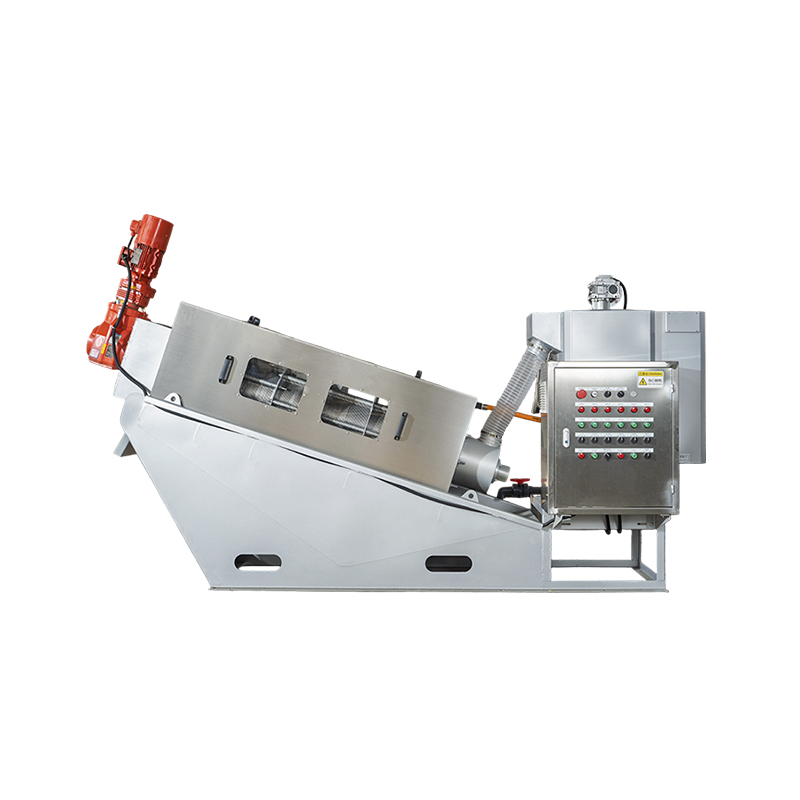
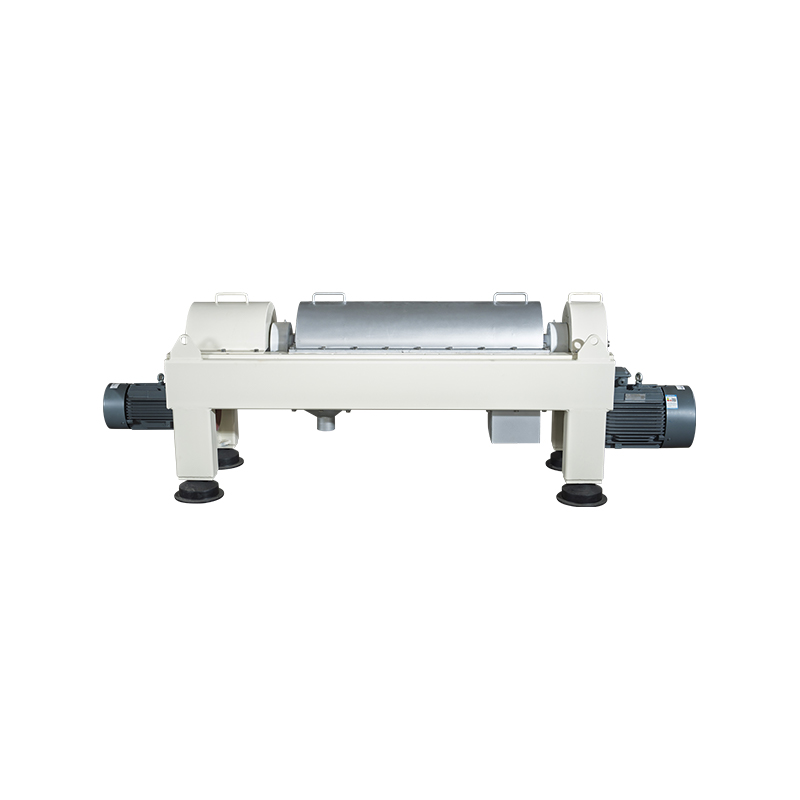
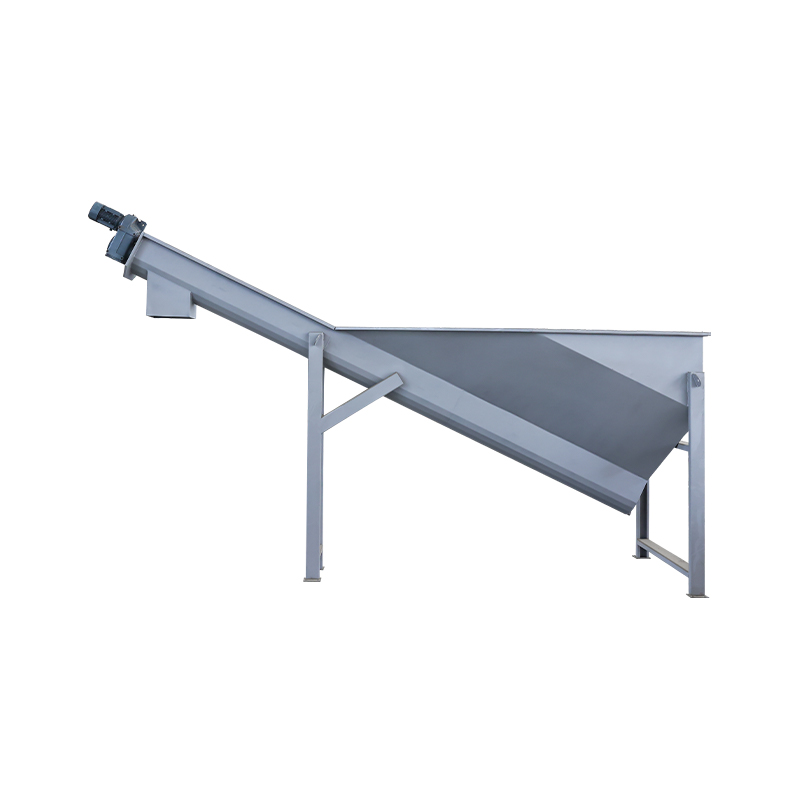
- Product Categories
- Sludge Dewatering Machine
- Roller Filter
- Dissolved Air Flotation Machine(DAF)
- Rotary Mechanical Bar
- Dosing Device
- Aerator
- Biological Packing Material
- Other Wastewater Treatment Equipment
- Contact Us
-
-
[email protected]

[email protected] -
+86-13812201185

-
+86-13812201185

-
No. 20, Saite Road, Gaoyao Village, Gaocheng Town, Yixing City, Wuxi City, Jiangsu Province, China

-



