

 English
  русский
Sludge Screw Press: How Screw Press Dewatering Works, Types & Selection
Content
- 1 What Is a Sludge Screw Press?
- 2 How Screw Press Dewatering Works: The Operating Principle
- 3 Types of Sludge Dewatering Machines: Screw Press vs. Filter Press and Other Technologies
- 4 Key Performance Parameters for Screw Press Dewatering
- 5 Sludge Types Suited to Screw Press Dewatering
- 6 Screw Press Machine Design Features to Evaluate
- 7 Operational Optimization and Troubleshooting
What Is a Sludge Screw Press?
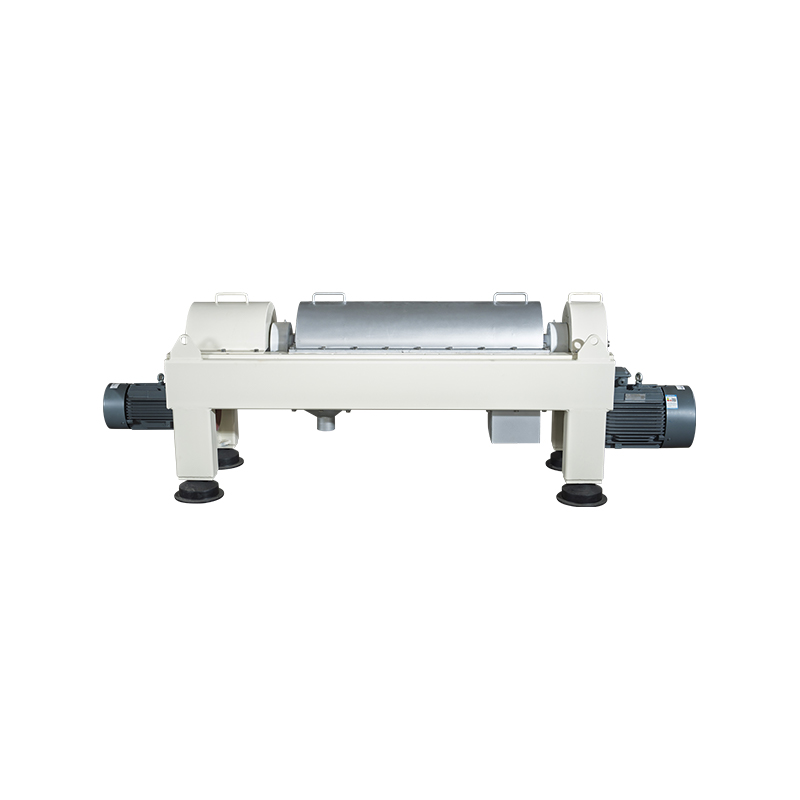
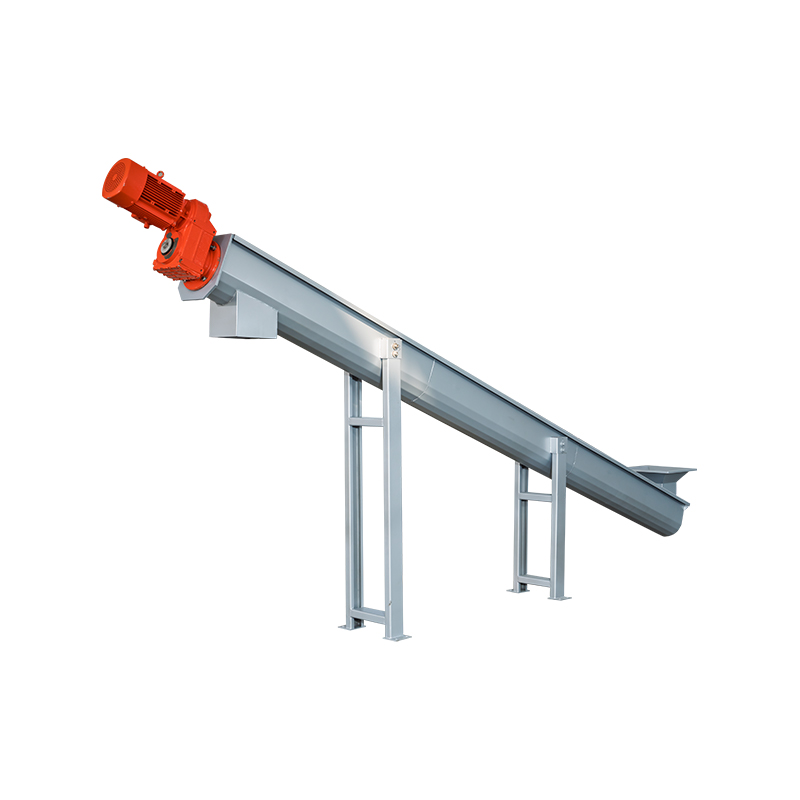
A sludge screw press is a continuous mechanical dewatering machine that removes water from sludge by conveying it through a progressively narrowing helical screw enclosed in a cylindrical filter screen. As the screw rotates, it advances the sludge toward the discharge end while simultaneously increasing compression pressure — forcing free and interstitial water out through the screen openings and compacting the remaining solids into a semi-dry cake for discharge.
Unlike batch-operated equipment, the screw press operates continuously and requires minimal operator intervention once feed conditions are established. The filtrate (press water) drains by gravity through the screen into a collection trough below the unit, while the dewatered cake is discharged at the end of the screw at a controlled back-pressure set by an adjustable discharge cone or choke plate.
Screw press dewatering machines are now standard equipment across municipal wastewater treatment, food processing, pulp and paper, animal manure management, and industrial effluent treatment — wherever high-volume sludge must be volume-reduced and stabilized before disposal, composting, or energy recovery.
How Screw Press Dewatering Works: The Operating Principle
The dewatering mechanism in a screw press combines three physical forces: drainage under gravity, mechanical compression, and shear. Understanding how these forces interact helps engineers select the correct press configuration and optimize operational parameters.
Feed and Conditioning Zone
Conditioned sludge — typically pre-treated with polymer flocculant to aggregate fine particles into larger, filterable flocs — enters the press at the feed inlet. The initial section of the screw (the drainage or gravity zone) allows free water to drain rapidly through the screen with minimal applied pressure, achieving a significant volume reduction before the sludge enters the compression zone.
Compression and Dewatering Zone
As the sludge advances, the screw pitch decreases and/or the screw shaft diameter increases — reducing the volumetric capacity of each screw flight and building compression pressure progressively. This design avoids sudden compression spikes that would blind the screen or damage fragile floc structure. Peak compression pressures in industrial screw presses typically range from 0.3 MPa to 1.5 MPa, depending on sludge type and target cake dryness.
Discharge and Back-Pressure Control
At the discharge end, a conical plug, spring-loaded cone, or hydraulically controlled choke plate applies back-pressure to the cake, ensuring that the sludge is fully compressed before exiting. Increasing back-pressure generally raises cake dryness at the cost of reduced throughput capacity — a trade-off that must be calibrated for each sludge type during commissioning.
Types of Sludge Dewatering Machines: Screw Press vs. Filter Press and Other Technologies
The sludge dewatering press market includes several competing technologies. Selecting the right machine requires matching equipment characteristics to sludge properties, required cake dryness, available footprint, energy budget, and operational staffing level.
| Parameter | Screw Press | Filter Press for Sludge Dewatering | Belt Press | Centrifuge Decanter |
|---|---|---|---|---|
| Operation mode | Continuous | Batch | Continuous | Continuous |
| Cake dryness (typical) | 15–35% DS | 30–50% DS | 14–25% DS | 18–28% DS |
| Energy consumption | Low | Medium | Low–Medium | High |
| Wash water requirement | Minimal | Moderate | High | None |
| Noise / odor control | Excellent (enclosed) | Moderate | Poor (open belt) | Moderate–Poor |
| Operator attention | Low | High | Medium | Medium |
| Best sludge type | Biological, fibrous, low-abrasive | Mineral, chemical, high-solids | Municipal WAS/mixed | Digested, oily sludge |
The filter press for sludge dewatering achieves the highest cake dryness of any mechanical dewatering method — often 35–50% DS — making it preferred for sludge streams destined for landfill (where weight/volume fees apply) or incineration (where moisture directly affects calorific value). However, its batch operation, large footprint, and higher labor demand limit its competitiveness in applications where continuous throughput and automation are prioritized.
The screw press sludge dewatering approach offers the best balance of low energy consumption, low wash water usage, enclosed operation, and automated continuous running — making it the default choice for municipal wastewater plants, food processing facilities, and livestock operations where round-the-clock unattended operation is required.
Key Performance Parameters for Screw Press Dewatering
Evaluating a screw dewatering press requires understanding the interplay between several measurable performance outputs. These parameters should be specified and contractually guaranteed in equipment procurement.
Cake Dryness (DS%)
Cake dry solids content is the primary output measure of any sludge dewatering press. For screw presses operating on municipal waste activated sludge (WAS), typical cake dryness ranges from 18% to 30% DS depending on polymer dose, screw speed, back-pressure setting, and sludge dewaterability (measured by capillary suction time, CST). Digested mixed sludge typically achieves 22–35% DS. Food waste sludge, with its high organic content, often dewatered to 20–28% DS.
Solids Capture Rate
Solids capture rate (also called solids recovery) measures the percentage of incoming dry solids that exit in the cake rather than the filtrate. A well-optimized screw press sludge dewatering system typically achieves 95–99% solids capture with proper polymer conditioning. Low solids capture increases the suspended solids load returned to the liquid treatment train, raising operating costs across the entire plant.
Throughput Capacity
Screw press capacity is rated in kg DS/hr (kilograms of dry solids per hour) rather than volumetric flow, since feed sludge concentration varies widely (typically 0.5–6% DS). A single screw with a 200 mm screen diameter may handle 30–80 kg DS/hr; large-diameter units (350–500 mm) can process 200–600 kg DS/hr. Multi-shaft or multi-unit configurations are standard for high-capacity installations above 1,000 kg DS/hr.
Polymer Consumption
Polymer (flocculant) conditioning is essential to screw press performance. Typical polymer doses for municipal sludge dewatering range from 3 to 10 kg active polymer per tonne of dry solids. Polymer cost often represents the largest single operating expense in screw press dewatering, so comparing g polymer / kg DS across competing machines and polymer products during pilot testing is critical to whole-life cost analysis.
Sludge Types Suited to Screw Press Dewatering
Not all sludge types respond equally to screw press dewatering. The following sludge categories have well-documented performance histories with screw press technology:
- Municipal wastewater sludge — waste activated sludge (WAS), primary sludge, and blended or digested mixed sludge; the most common application globally
- Food and beverage processing sludge — fruit and vegetable processing waste, dairy effluent sludge, brewery and distillery biosolids; high organic content responds well to screw pressing
- Livestock and animal manure — pig slurry, cattle manure, and poultry house runoff; screw presses are the dominant dewatering technology in agricultural biogas plant pre-processing
- Pulp and paper mill sludge — primary fiber sludge and biological treatment sludge from paper mill effluent; fibrous content aids cake formation and drainage
- Aquaculture sludge — fish farm effluent solids, RAS (recirculating aquaculture system) sludge; compact screw press units are well-suited to the smaller scales and remote locations typical of fish farming
- Algae and bioreactor biomass — microalgae harvesting for biofuel, animal feed, or fertilizer applications; gentle compression preserves cell structure integrity where downstream processing requires intact biomass
Sludge with high sand, grit, or abrasive mineral content is generally less suitable for screw press dewatering — abrasive particles accelerate screen wear and increase maintenance frequency significantly. Filter presses or centrifuge decanters are typically better-suited for mineral-heavy sludge streams from quarrying, mining, or ceramic processing operations.
Screw Press Machine Design Features to Evaluate
Significant design variation exists between manufacturers of sludge press machines. The following design elements have the greatest impact on long-term performance, maintenance cost, and operational reliability.
Screen Material and Aperture Design
The filter screen is the highest-wear component in any screw press dewatering machine. Screens are available in wedge wire (profiled wire), perforated stainless steel plate, and woven wire cloth configurations. Wedge wire screens — with V-profile wire oriented to present a narrow slot opening — offer superior resistance to blinding and longer service life than perforated plate for fibrous or sticky sludge types. Screen aperture size (typically 0.2–1.0 mm slot width) must be matched to the floc size produced by polymer conditioning.
Variable Speed Drive and Screw Speed Control
Modern screw dewatering press units are equipped with variable frequency drives (VFDs) that allow screw rotational speed to be adjusted between approximately 1–5 RPM. Lower screw speed increases residence time and compression, improving cake dryness at the cost of throughput. Automatic VFD control linked to torque feedback allows the press to self-optimize screw speed in response to changes in feed sludge concentration — a critical feature for plants where feed variability is high.
Self-Cleaning Screen Mechanisms
Screen blinding — the progressive plugging of screen openings by fine particles or sticky organics — reduces filtrate drainage and degrades dewatering performance over time. Leading screw press designs address this through intermittent or continuous screen cleaning systems: spray nozzle wash bars, rotating brush cleaners, or oscillating spray heads that remove surface cake buildup between production cycles. Self-cleaning capability directly reduces manual wash-down labor and extends continuous operating intervals.
Enclosed Housing for Odor and Aerosol Containment
Sludge dewatering generates hydrogen sulfide, ammonia, and bioaerosols that create occupational health hazards and odor complaints in urban treatment facilities. A fully enclosed screw press housing with negative pressure ventilation connections allows odor-laden air to be captured and routed to a biofilter or chemical scrubber — an increasingly mandatory design requirement in new municipal dewatering installations.
Operational Optimization and Troubleshooting
Even a well-specified sludge dewatering screw press will underperform if conditioning, back-pressure, and speed settings are not optimized for the actual sludge being processed. The following operational parameters account for the majority of performance issues observed in field installations.
- Polymer type and dose — cationic polyacrylamide (PAM) is standard for biological sludge; molecular weight and charge density must be matched to sludge characteristics; overdosing causes slippery, under-drained cake; underdosing results in poor solids capture and wet cake
- Polymer dilution and contact time — polymer must be diluted to the correct working concentration (0.05–0.2%) and given adequate mixing time with the sludge before entering the press; inline static mixers or flocculation tanks with defined hydraulic retention time ensure consistent conditioning
- Feed concentration — most screw presses perform best with feed sludge in the range of 0.5–4% DS; thickening the feed sludge before pressing (using gravity thickeners or dissolved air flotation units) reduces press loading and improves cake dryness
- Back-pressure adjustment — increase back-pressure to raise cake dryness when solids are available; reduce back-pressure if screw torque exceeds safe limits or if throughput must be maximized during peak flow periods
- Screen inspection frequency — schedule weekly visual inspection of screen condition; partial blinding in localized zones is often the first sign of polymer under-dosing or sludge with elevated fine-particle fraction
Let's Cooperate with Yixing Hengye Environmental Protection
Contact Us

- Product Categories
- Sludge Dewatering Machine
- Roller Filter
- Dissolved Air Flotation Machine(DAF)
- Rotary Mechanical Bar
- Dosing Device
- Aerator
- Biological Packing Material
- Other Wastewater Treatment Equipment
- Contact Us
-
-
[email protected]

[email protected] -
+86-13812201185

-
+86-13812201185

-
No. 20, Saite Road, Gaoyao Village, Gaocheng Town, Yixing City, Wuxi City, Jiangsu Province, China

-



