

 English
  русский
Sludge Dewatering Machine: How Sludge Is Treated & Removed in Wastewater Plants
Content
What Is Sludge in Wastewater Treatment?
Sludge is the semi-solid residue that separates out during wastewater treatment. It is a byproduct of both primary and secondary treatment stages, consisting of water mixed with suspended solids, organic matter, microorganisms, and trace contaminants. Depending on its origin and stage of processing, sludge is classified into three main types:
- Primary sludge — Raw settled solids from the initial sedimentation tank, typically grey and odorous.
- Secondary (biological) sludge — Microbial biomass produced during biological treatment processes such as activated sludge or trickling filters.
- Tertiary or chemical sludge — Solids generated during advanced treatment using coagulants or phosphorus removal chemicals.
Municipal wastewater plants in the United States generate over 8 million dry tons of sludge annually, making sludge handling one of the most significant cost and compliance challenges in water treatment. Untreated sludge contains pathogens, heavy metals, and nitrogen compounds that pose serious environmental risks if discharged without proper processing.
How Is Sludge Treated? A Step-by-Step Process
Sludge treatment is a multi-stage process designed to reduce volume, eliminate pathogens, and produce a stabilized end product that can be safely disposed of or reused. The core stages include:
1. Thickening
Freshly collected sludge contains 95–99% water. Thickening reduces the water content through gravity settling or dissolved air flotation, increasing the solids concentration from as low as 0.5% to around 3–6%. This step reduces the volume sent to downstream processes and lowers energy costs.
2. Stabilization
Stabilization destroys pathogens and reduces volatile solids to limit odor and biological activity. The two dominant methods are anaerobic digestion — which also generates biogas for energy recovery — and aerobic digestion, used for smaller facilities. Lime stabilization offers a chemical alternative when digestion infrastructure is unavailable.
3. Conditioning
Before dewatering, sludge is conditioned using polymer flocculants or ferric chloride to aggregate fine particles. Proper conditioning is critical — it directly determines dewatering efficiency and the dryness of the final cake. Polymer dosage typically ranges from 2 to 10 kg per dry ton of solids.
4. Dewatering
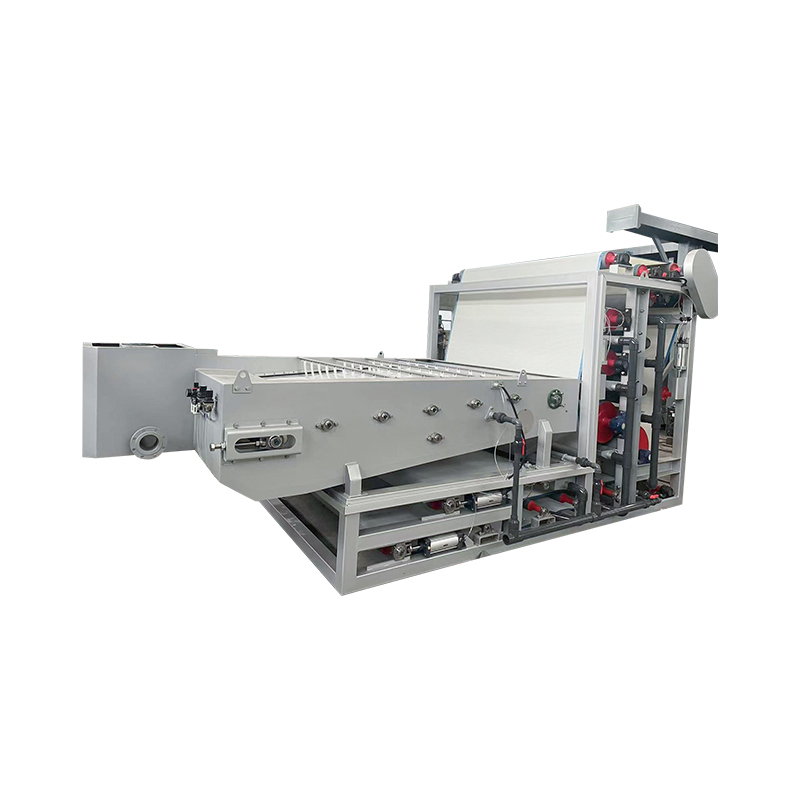
Dewatering is the most mechanically intensive step. It separates the bulk of remaining water from stabilized sludge to produce a semi-solid cake. Equipment options include centrifuges, belt filter presses, screw presses, and filter plate presses. The resulting cake typically reaches 18–35% dry solids content, dramatically reducing transportation and disposal weight.
5. Disposal or Beneficial Reuse
Treated sludge — referred to as biosolids when meeting regulatory quality standards — is land-applied as fertilizer, composted, incinerated for energy recovery, or sent to landfill. In the United States, approximately 55% of biosolids are beneficially reused in agriculture and land reclamation under EPA 503 regulations.
How Does a Sludge Dewatering Centrifuge Work?
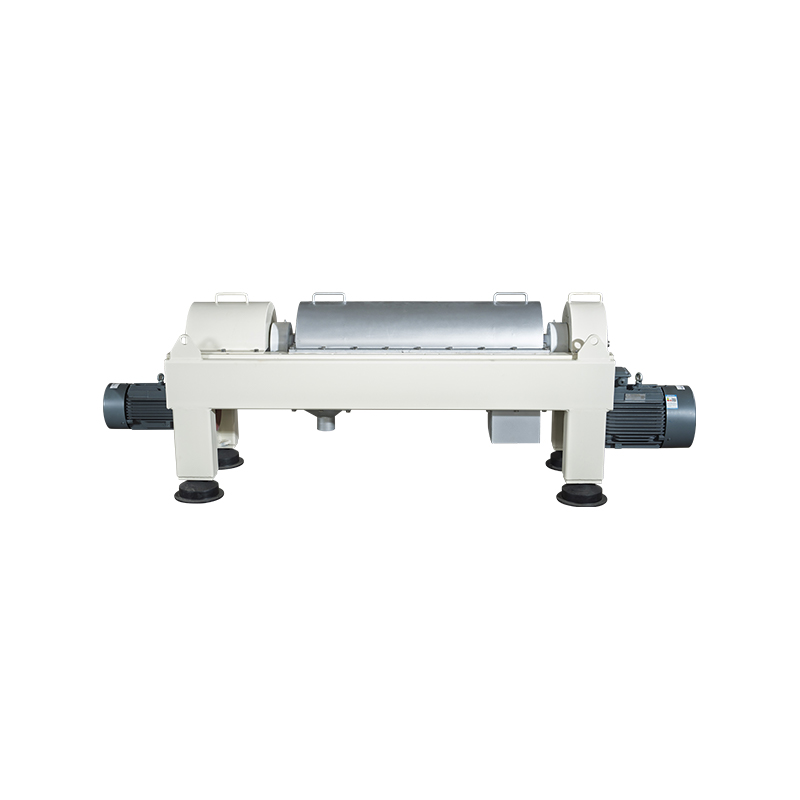
A sludge dewatering centrifuge — most commonly a decanter centrifuge — uses centrifugal force to separate liquid from solids at speeds that generate 1,500 to 3,000 times the force of gravity (G-force). This accelerated separation achieves in seconds what gravity settling would require hours to accomplish.
Core Mechanical Components
- Rotating bowl — A horizontal cylindrical drum that spins at high speed, creating the centrifugal field.
- Scroll conveyor (auger) — A helical screw that rotates inside the bowl at a slightly different speed, continuously pushing settled solids toward the discharge end.
- Feed tube — Delivers conditioned sludge to the center of the bowl.
- Liquid and solids discharge ports — Separated effluent (centrate) exits at the liquid end; dewatered cake discharges at the solids end.
The Separation Process
When conditioned sludge enters the spinning bowl, the density difference between solids and water causes solids to migrate outward and form a layer against the bowl wall. The scroll conveyor moves these compacted solids along the bowl's conical section toward the discharge ports, while clarified liquid overflows through adjustable weir plates at the opposite end. The differential speed between the bowl and scroll — known as the differential speed (Δn) — is a key operating parameter: a lower differential produces drier cake but reduces throughput capacity.
Performance Benchmarks
| Parameter | Typical Range |
|---|---|
| Bowl Speed | 2,000 – 4,000 RPM |
| G-Force | 1,500 – 3,000 G |
| Cake Dryness (Solids Content) | 18 – 35% DS |
| Solids Capture Rate | 90 – 98% |
| Feed Solids Concentration | 1 – 6% DS |
Modern centrifuges feature variable frequency drives (VFDs) on both the main motor and the back-drive, enabling real-time adjustment of bowl speed and differential speed based on incoming sludge characteristics. This automation reduces polymer consumption and improves cake consistency without operator intervention.
Sludge Removal in Wastewater Treatment: Methods and Equipment Compared
Sludge removal encompasses both the physical extraction of sludge from treatment tanks and the mechanical dewatering equipment used downstream. Each technology has distinct trade-offs in capital cost, operating cost, footprint, and output dryness.
In-Tank Sludge Removal
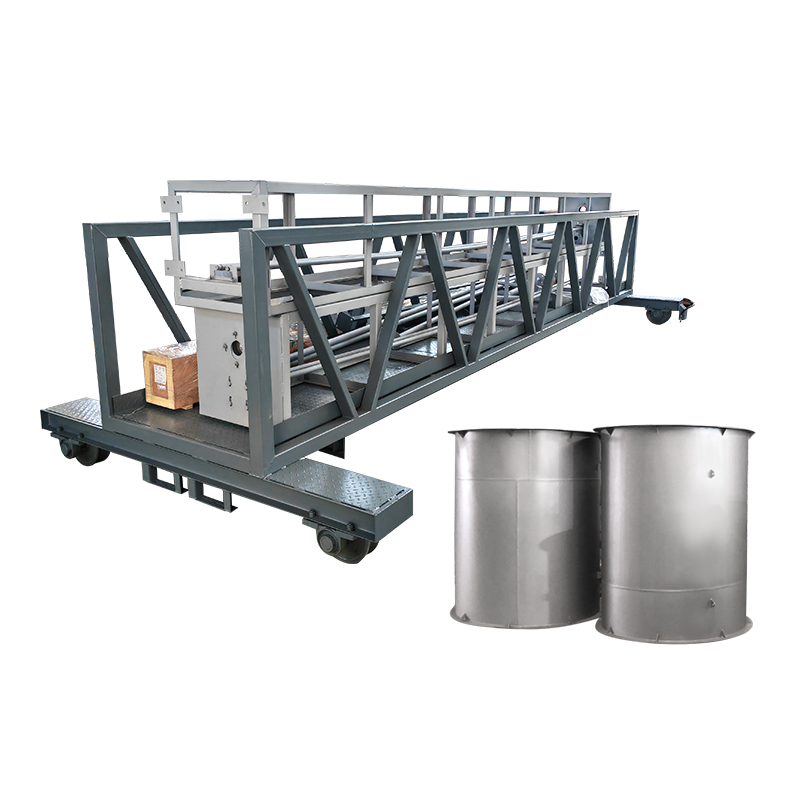
In primary and secondary clarifiers, sludge collects at the tank bottom and is withdrawn by mechanical scrapers or suction headers. Flight scrapers push settled sludge toward a central hopper for pumping. In circular tanks, rotating bridge scrapers continuously move sludge inward. Removal frequency and pump scheduling are critical — allowing sludge to accumulate too long increases septicity and reduces clarifier performance.
Dewatering Equipment Comparison
| Equipment Type | Cake Dryness | Throughput | Best For |
|---|---|---|---|
| Decanter Centrifuge | 18 – 35% DS | High | Municipal & industrial, continuous operation |
| Belt Filter Press | 18 – 25% DS | Medium | Low-energy, simple sludges |
| Screw Press | 15 – 25% DS | Low–Medium | Small plants, fibrous sludge |
| Plate Filter Press | 35 – 55% DS | Low (batch) | Industrial sludge, maximum dryness required |
Centrifuges are the dominant choice for large municipal facilities because they combine high throughput, fully enclosed odor containment, and consistent performance across variable sludge loads. Belt filter presses remain cost-effective for smaller operations with stable, easily dewatered sludge. Plate filter presses are reserved for applications where maximum solids dryness takes priority over throughput speed, such as in metal finishing or pharmaceutical wastewater.
Selecting the right sludge dewatering machine depends on sludge type, required cake dryness, available footprint, polymer budget, and whether operation must be continuous or can be batch-based. A pilot test with representative sludge samples is strongly recommended before capital investment.
Key Factors That Affect Sludge Dewatering Performance
No two sludge streams are identical. Performance outcomes from any dewatering machine depend on the interaction of sludge properties, upstream treatment, and equipment settings.
- Sludge compressibility — Biological sludge is more compressible and gelatinous than inorganic sludge, requiring higher polymer doses and adjusted G-forces for effective dewatering.
- Volatile solids content — Higher volatile content typically indicates poorly digested sludge, which dewaters less efficiently. Well-digested anaerobic sludge with 50–60% volatile solids reduction is consistently easier to dewater.
- Particle size distribution — Fine colloidal particles resist separation. Polymer conditioning bridges these particles into larger flocs that centrifugal or mechanical forces can more easily capture.
- Temperature — Warmer sludge has lower viscosity, improving water release. Cold-weather operation can reduce centrifuge cake dryness by 2–5 percentage points without corrective action.
- Feed consistency — Irregular solids concentrations in the feed cause process instability. Surge tanks and automated feed pumps help maintain consistent flow to the dewatering unit.
Operators who continuously monitor centrate clarity (turbidity), cake solids content, and polymer consumption can identify early signs of sludge variability and adjust equipment parameters before efficiency losses become significant. A 1% improvement in cake dryness can reduce downstream disposal costs by 5–10% over the course of a year at a medium-sized municipal facility.
Let's Cooperate with Yixing Hengye Environmental Protection
Contact Us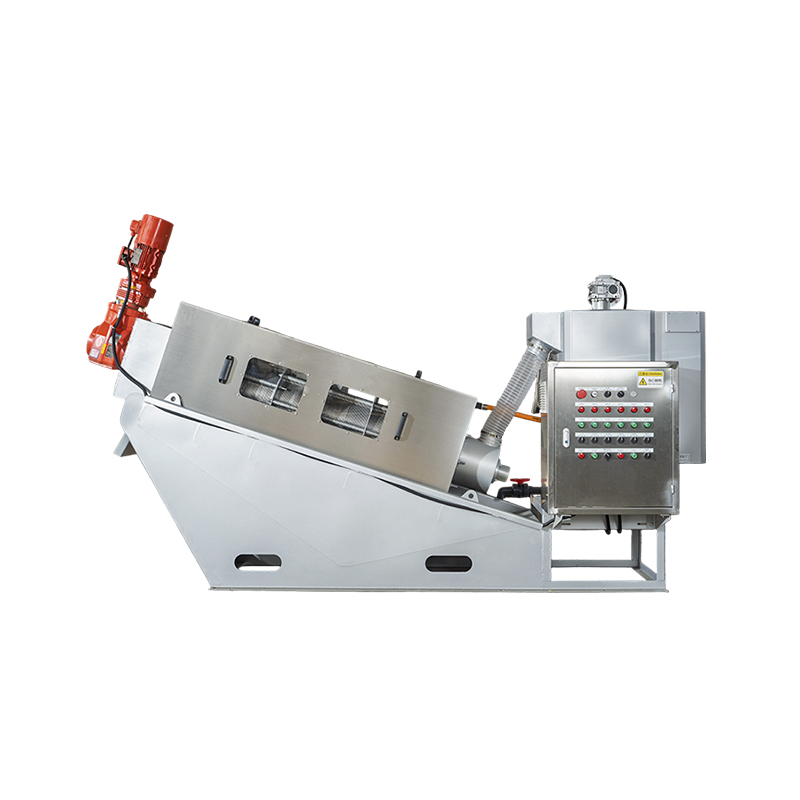
- Product Categories
- Sludge Dewatering Machine
- Roller Filter
- Dissolved Air Flotation Machine(DAF)
- Rotary Mechanical Bar
- Dosing Device
- Aerator
- Biological Packing Material
- Other Wastewater Treatment Equipment
- Contact Us
-
-
[email protected]

[email protected] -
+86-13812201185

-
+86-13812201185

-
No. 20, Saite Road, Gaoyao Village, Gaocheng Town, Yixing City, Wuxi City, Jiangsu Province, China

-



