

 English
  русский
Screw Press Sludge Dewatering: How It Works & Equipment Comparison
Content
- 1 Screw Press Sludge Dewatering: How It Works and How It Compares
- 2 What Is a Screw Press Dewatering Machine?
- 3 Multi Disc Screw Press: A Common Configuration
- 4 Screw Press vs. Belt Filter Press
- 5 Screw Press vs. Centrifuge
- 6 Sludge Dewatering Process and Methods
- 7 Sludge Dewatering Equipment for Wastewater and Industrial Applications
- 8 Choosing a Sludge Dewatering System
Screw Press Sludge Dewatering: How It Works and How It Compares
Screw press dewatering machines have become a standard choice for wastewater treatment plants and industrial facilities looking to reduce sludge volume with lower energy use and less operator attention than traditional dewatering methods. This guide explains how screw press dewatering works, how it compares to belt filter presses and centrifuges, and how to match equipment to your sludge type.
What Is a Screw Press Dewatering Machine?
A screw press dewatering machine separates water from sludge by feeding it through a slowly rotating screw inside a cylindrical screen. As the screw's pitch narrows along its length, pressure builds gradually, squeezing free and bound water through the screen while compacting the remaining solids into a dry cake.
Because the process runs at low rotational speed and low internal pressure compared to centrifugal methods, screw press equipment typically consumes significantly less energy and generates far less noise and vibration during continuous operation.
Multi Disc Screw Press: A Common Configuration
The multi disc screw press is one of the most widely used screw press designs, using a series of fixed and moving rings (discs) along the screw shaft instead of a solid perforated drum. As the screw rotates, the gaps between rings open and close, which continuously clears solids from the filtration surface and helps prevent the screen clogging that limits throughput in fixed-screen designs.
This self-cleaning action makes the multi disc screw press well suited to sludges with variable solids content, since the ring gaps adjust dynamically rather than relying on a single fixed screen aperture.
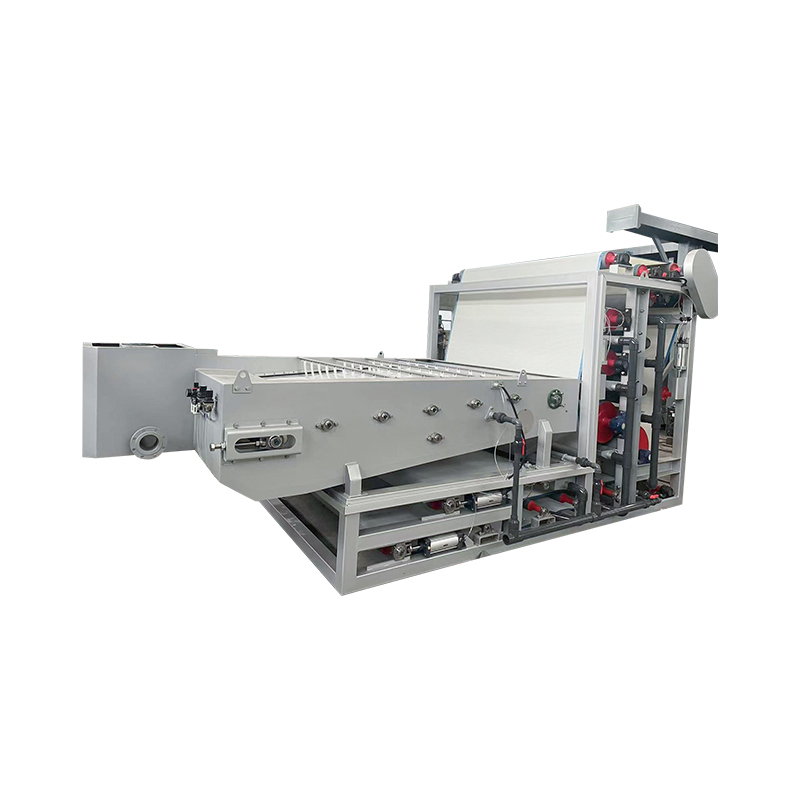
Screw Press vs. Belt Filter Press
| Factor | Screw Press | Belt Filter Press |
|---|---|---|
| Energy consumption | Low — slow rotation, minimal moving mass | Moderate — belt drive and wash water pumps |
| Water usage | Minimal, mostly for periodic screen cleaning | High — continuous belt wash water required |
| Footprint | Compact, often fully enclosed | Larger, requires belt travel length |
| Operator attention | Low, suited to unattended operation | Higher — belt tracking and wash system monitoring |
| Odor control | Easier — enclosed design | More exposed process, harder to fully enclose |
Comparison of screw press and belt filter press dewatering systems.
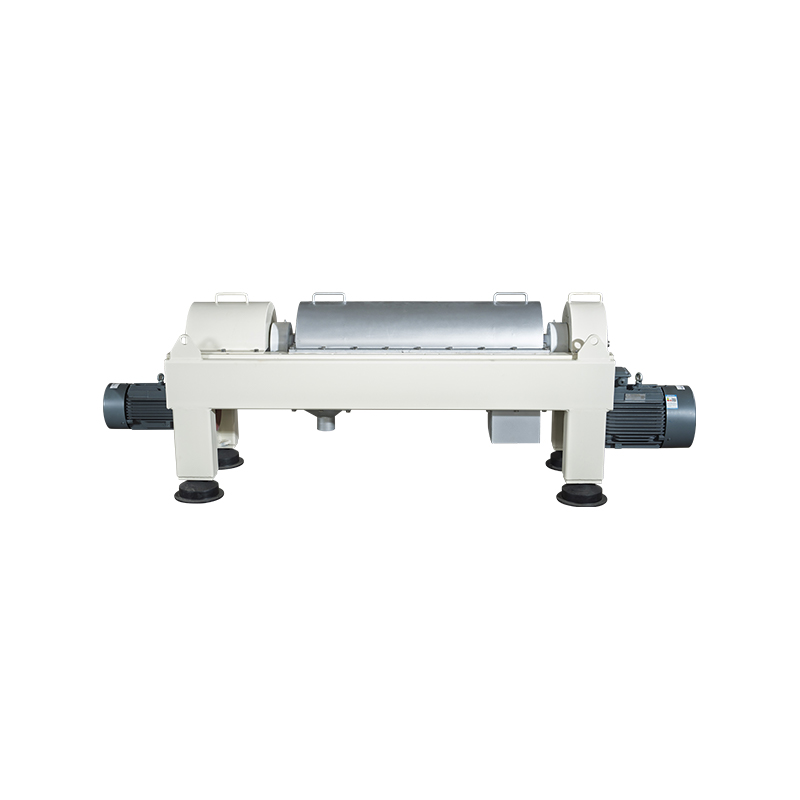
Screw Press vs. Centrifuge
| Factor | Screw Press | Centrifuge |
|---|---|---|
| Energy consumption | Low, slow-speed mechanical operation | High — requires high-speed rotation |
| Noise and vibration | Minimal | Higher due to high-speed rotating bowl |
| Maintenance complexity | Simpler, fewer high-wear precision parts | More complex, requires precision balancing and servicing |
| Cake dryness | Good, varies by sludge type | Often higher for well-conditioned sludge |
| Best fit | Small to mid-size plants, continuous low-maintenance operation | Large plants prioritizing maximum cake dryness |
Comparison of screw press and centrifuge dewatering systems.
Filter press vs screw press comparisons follow a similar pattern: plate-and-frame or belt filter presses can achieve strong cake dryness in batch or semi-continuous operation, but generally require more operator involvement, wash water, and footprint than a continuously operating screw press.
Sludge Dewatering Process and Methods
The sludge dewatering process generally follows three stages regardless of the equipment used: conditioning (adding polymer or other flocculants to bind fine particles), mechanical separation (the dewatering equipment itself), and cake handling (conveying, storage, or disposal of the dewatered solids). Common sludge dewatering methods include screw presses, belt filter presses, centrifuges, and plate-and-frame filter presses, each suited to different sludge characteristics and plant scales.
Sludge Dewatering Equipment for Wastewater and Industrial Applications
Sludge dewatering equipment is used across a wide range of wastewater sludge dewatering and industrial sludge dewatering applications, including:
- Municipal wastewater treatment plants, reducing sludge volume before transport or disposal.
- Food and beverage processing, dewatering organic sludge from washing and processing wastewater.
- Paper and pulp mills, handling fiber-heavy sludge with high solids variability.
- Chemical and industrial wastewater treatment equipment lines, where consistent, low-maintenance dewatering supports continuous plant operation.
- Livestock and agricultural waste management, dewatering manure and organic slurry for volume reduction.
Choosing a Sludge Dewatering System
Key Selection Factors
- Sludge type and solids content: fibrous, oily, or highly variable sludge favors self-cleaning designs like the multi disc screw press.
- Target cake dryness: compare expected cake solids percentage across equipment types against your disposal or reuse requirements.
- Operating cost priorities: screw press systems generally minimize energy and water consumption over the equipment's service life.
- Available footprint: compact, enclosed screw press units suit space-constrained facilities better than belt or plate systems.
- Staffing model: continuous, low-attention operation favors screw press or centrifuge systems over manually monitored belt presses.
Matching a sludge dewatering system to the specific sludge type and operating constraints of a facility — rather than defaulting to the equipment with the highest rated cake dryness — is what determines total cost of ownership over the system's lifetime.
Let's Cooperate with Yixing Hengye Environmental Protection
Contact Us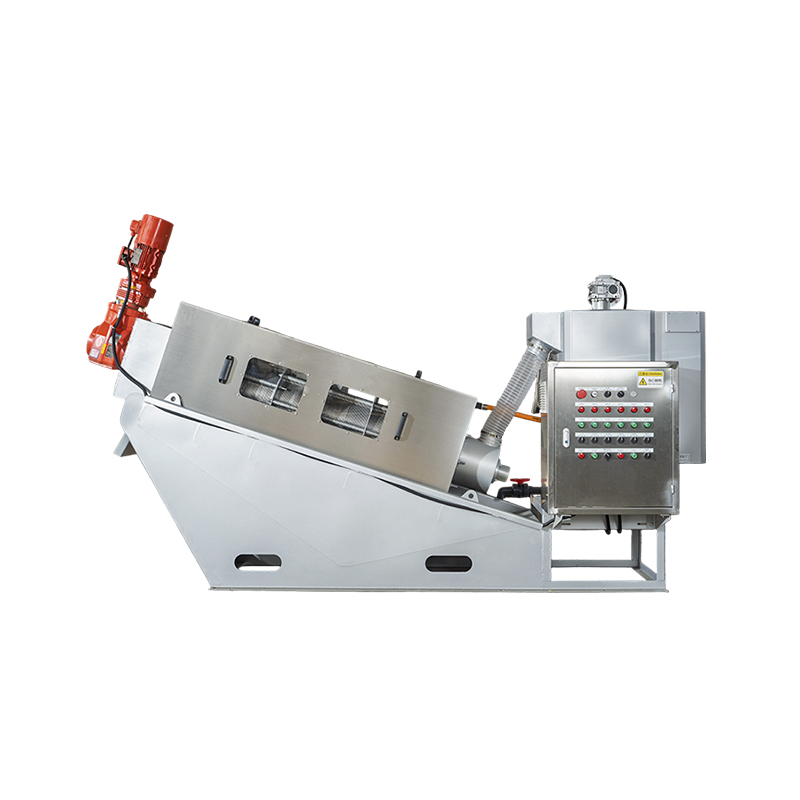

- Product Categories
- Sludge Dewatering Machine
- Roller Filter
- Dissolved Air Flotation Machine(DAF)
- Rotary Mechanical Bar
- Dosing Device
- Aerator
- Biological Packing Material
- Other Wastewater Treatment Equipment
- Contact Us
-
-
[email protected]

[email protected] -
+86-13812201185

-
+86-13812201185

-
No. 20, Saite Road, Gaoyao Village, Gaocheng Town, Yixing City, Wuxi City, Jiangsu Province, China

-



