

 English
  русский
Rake-Tooth Bar Screen Machine: Sizing, Drive Types & Maintenance
Content
What a Rake-Tooth Bar Screen Machine Does in a Treatment Line
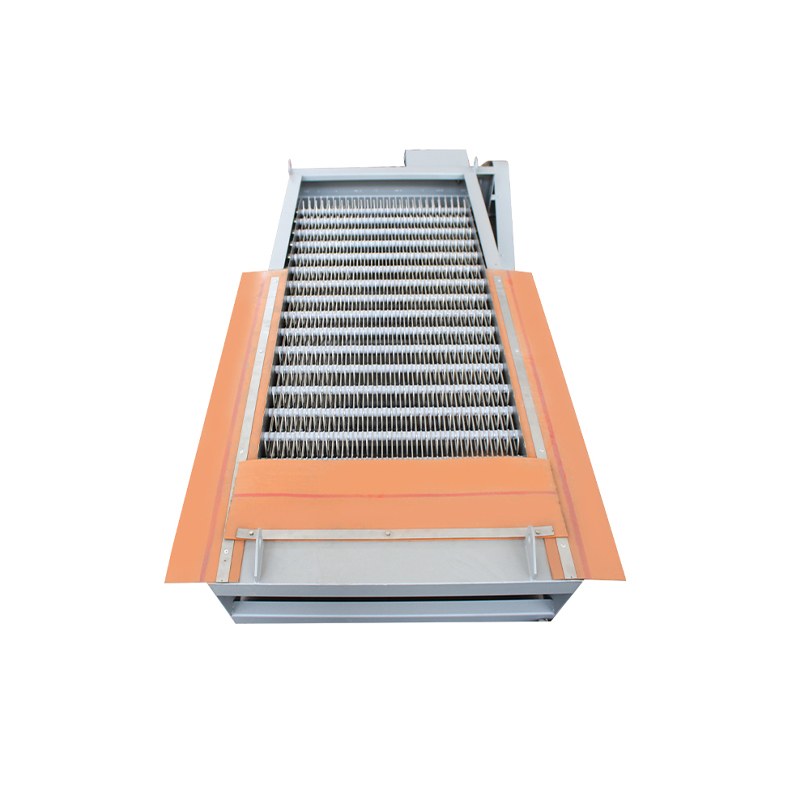
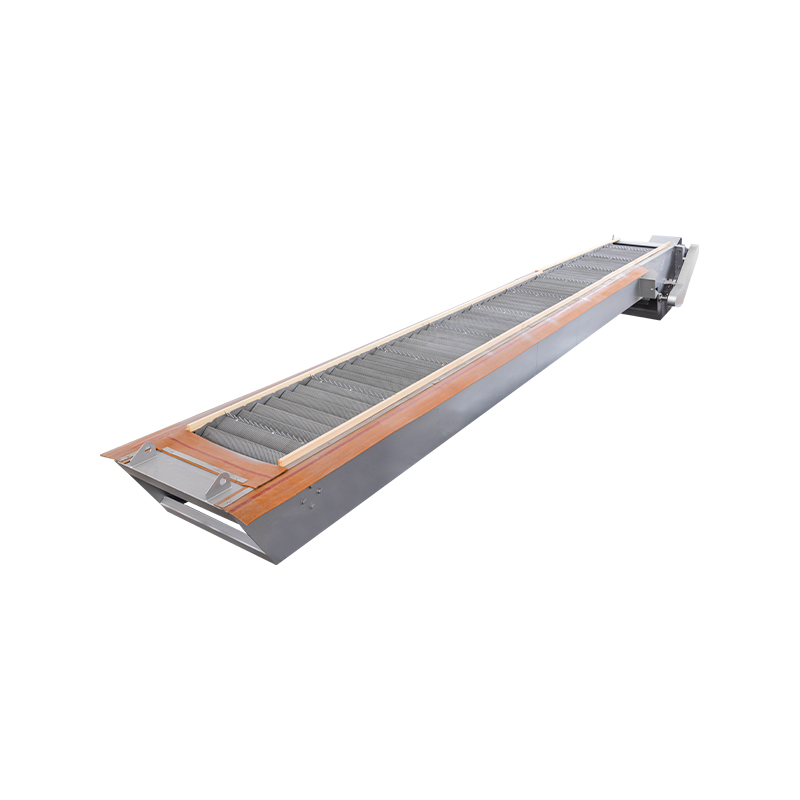
A rake-tooth bar screen machine removes coarse solids — rags, plastics, wood, grit-bound debris — from wastewater or raw water before it reaches downstream pumps and treatment stages. A fixed row of parallel bars sits across the channel at an angle, and a moving rake with interlocking teeth climbs through the bar rack, catching trapped debris and lifting it to a discharge chute above the water surface. Unlike a simple mechanical bar screen that pushes debris along the surface, the rake-tooth design interlocks with the bars themselves, so it pulls material out from between the bars rather than just skimming what floats.
This matters most at pump station intakes and treatment plant headworks, where unscreened debris causes two recurring problems: pump impeller damage and clogging from stringy material like rags and fibers, and reduced hydraulic capacity as debris accumulates and partially blocks flow through the channel. A properly sized rake-tooth screen addresses both by removing debris continuously rather than relying on manual raking during scheduled maintenance.
Bar Spacing and Its Effect on Screening Performance
Bar spacing — the gap between adjacent bars — is the single specification that determines what gets captured versus what passes through to downstream equipment.
| Bar Spacing | Classification | Typical Application |
|---|---|---|
| 40-100 mm | Coarse screen | Pump station intake protection, large debris removal |
| 15-40 mm | Medium screen | Municipal WWTP headworks, general preliminary treatment |
| 6-15 mm | Fine screen | Membrane pretreatment, sensitive downstream process protection |
Bar spacing ranges and where each level of screening is typically applied.
Choosing a spacing that's too fine for the actual debris load creates a different problem: more frequent raking cycles and higher headloss across the screen. Matching spacing to the actual downstream requirement, rather than defaulting to the finest available option, keeps the screen running efficiently instead of triggering constant cleaning cycles.
Rake Drive Systems: Chain-Driven vs. Cable-Driven vs. Hydraulic
The mechanism that moves the rake through the bar rack affects both maintenance frequency and how the machine handles heavy or variable debris loads:
- Chain-driven rakes — the most common configuration, using dual roller chains to pull the rake head through the rack. Reliable and straightforward to maintain, but submerged chain components are exposed to the same debris and grit that the screen is removing, which accelerates wear.
- Cable-driven rakes — use steel cable instead of chain, reducing submerged mechanical components and simplifying maintenance, though cable stretch over time requires periodic tensioning.
- Hydraulic rakes — a hydraulic cylinder drives the rake arm directly, with no submerged chain or cable at all. This handles heavy, variable debris loads well and reduces underwater maintenance, at a higher initial equipment cost.
For sites with high grit content or abrasive debris, the drive mechanism's exposure to the water matters more than the raw pulling force it can generate — submerged chain and cable systems simply see more wear in gritty conditions than hydraulic designs.
Sizing the Screen to Channel Flow and Debris Load
Undersized screens are the most common design mistake, and the consequences show up as either bypassed flow during peak events or excessive headloss that backs up the channel. Three factors drive correct sizing:
- Peak wet-weather flow, not average dry-weather flow, should size the channel width and screen submerged area — undersizing for peak flow is the leading cause of screen bypass during storm events.
- Approach velocity through the screen needs to stay low enough to avoid forcing debris through the bar gaps under pressure, typically kept below roughly 0.6-1.0 m/s depending on the design standard referenced.
- Raking cycle frequency should be set (or automated via differential level sensors across the screen) based on actual debris loading rather than a fixed timer, since debris load varies significantly between dry and wet weather conditions.
Level-based automatic raking — triggered by the water level differential across the screen rather than a fixed time interval — is now standard on most mid-to-large installations, since it responds to actual debris buildup instead of running the rake unnecessarily during low-flow periods.
Maintenance Points That Reduce Unplanned Downtime
Rake-tooth screens run continuously in a harsh, submerged environment, and a few components account for most unplanned service calls:
- Rake teeth wear and bend from repeated contact with the bar rack and hard debris — periodic inspection for tooth alignment prevents debris from slipping past a worn or bent tooth
- Chain or cable tension needs regular checks, since a loose drive component causes uneven rake travel and incomplete debris removal on each pass
- Discharge chute and conveyor connections should be checked for buildup, since screened debris that isn't fully cleared from the discharge point can jam the mechanism on the next cycle
Plants that schedule a brief visual inspection during each routine maintenance round, rather than waiting for a full teardown interval, catch tooth wear and tension issues well before they cause a screening failure or channel backup.
Let's Cooperate with Yixing Hengye Environmental Protection
Contact Us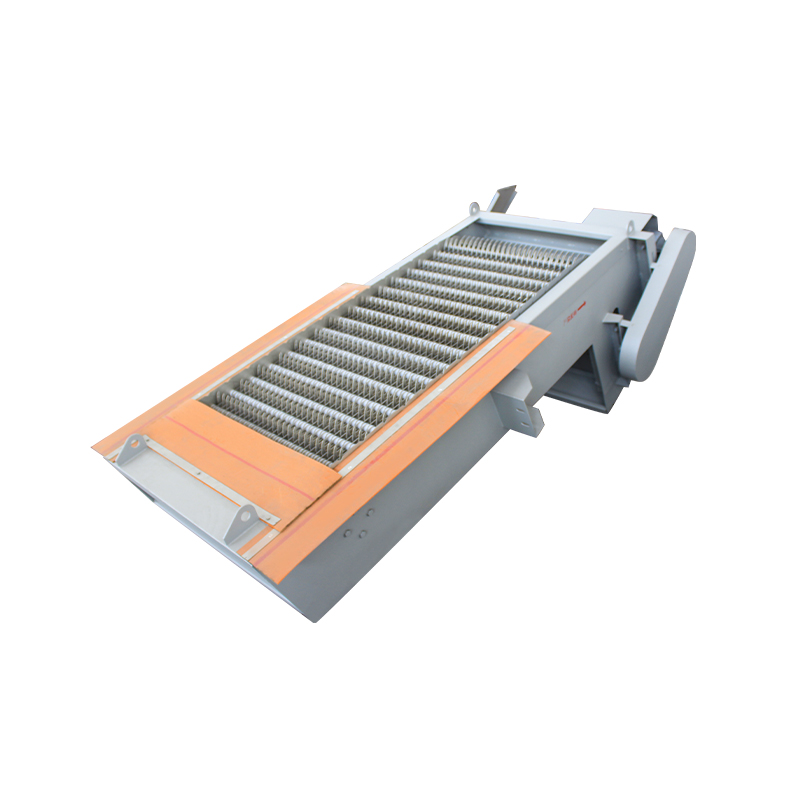
- Product Categories
- Sludge Dewatering Machine
- Roller Filter
- Dissolved Air Flotation Machine(DAF)
- Rotary Mechanical Bar
- Dosing Device
- Aerator
- Biological Packing Material
- Other Wastewater Treatment Equipment
- Contact Us
-
-
[email protected]

[email protected] -
+86-13812201185

-
+86-13812201185

-
No. 20, Saite Road, Gaoyao Village, Gaocheng Town, Yixing City, Wuxi City, Jiangsu Province, China

-



